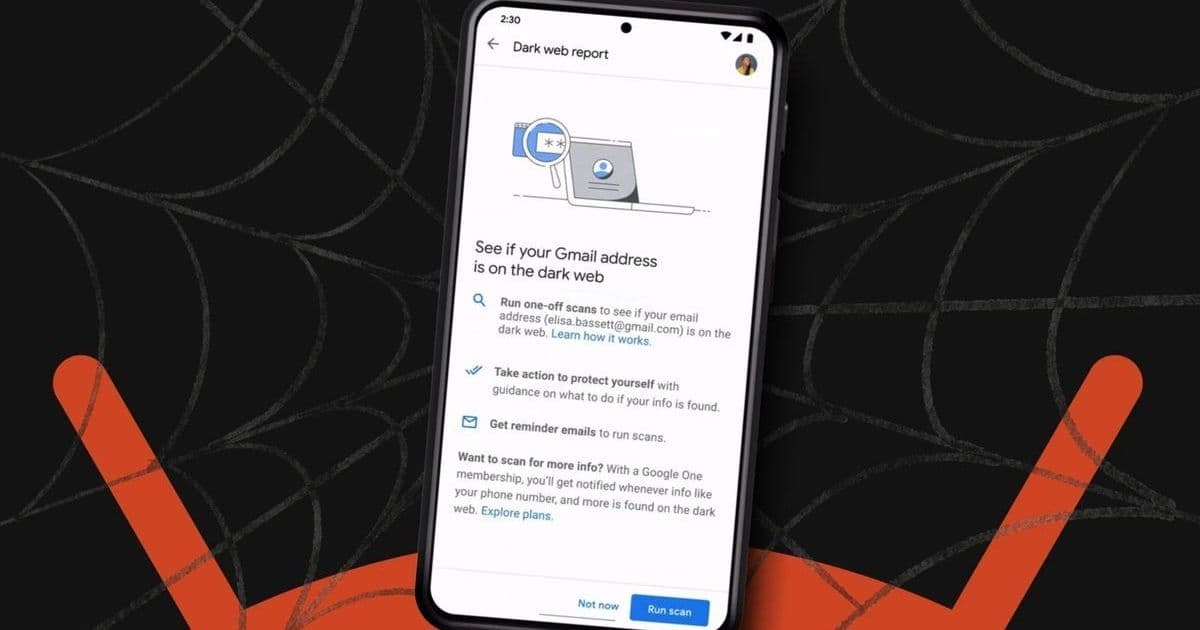
Google is discontinuing its free dark web report feature, eliminating a key tool for detecting personal data leaks. This move forces developers and security-conscious users to adopt alternative methods for monitoring exposed credentials. We explore five practical solutions and their implications for digital privacy.
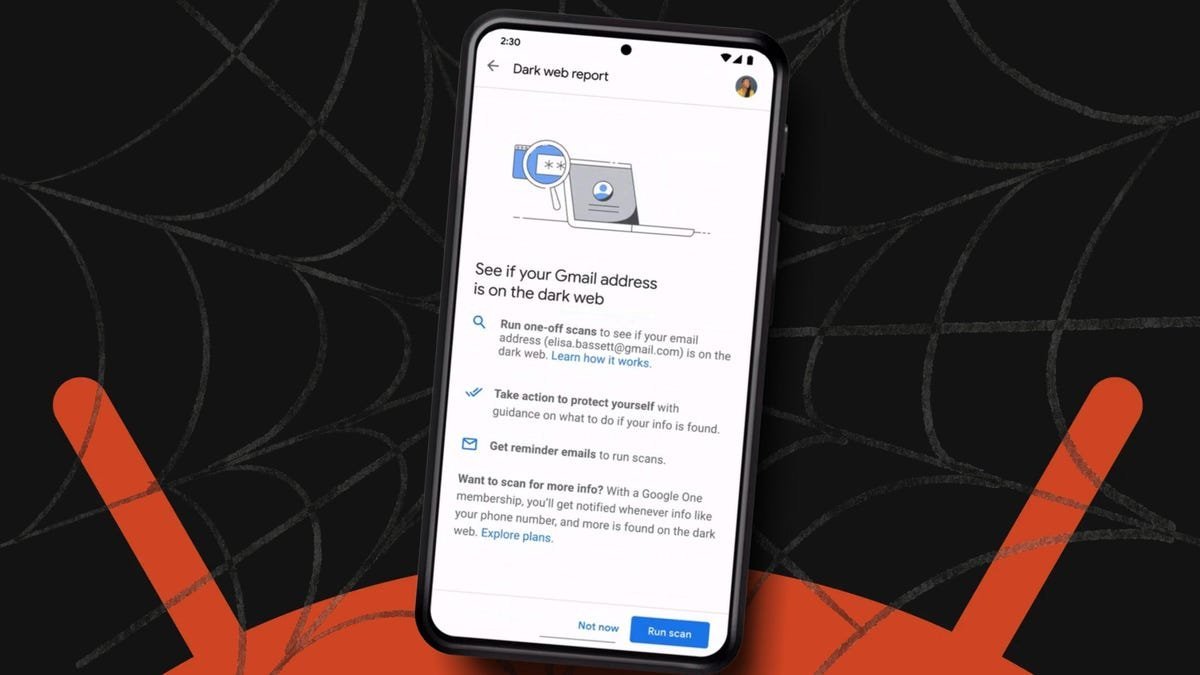
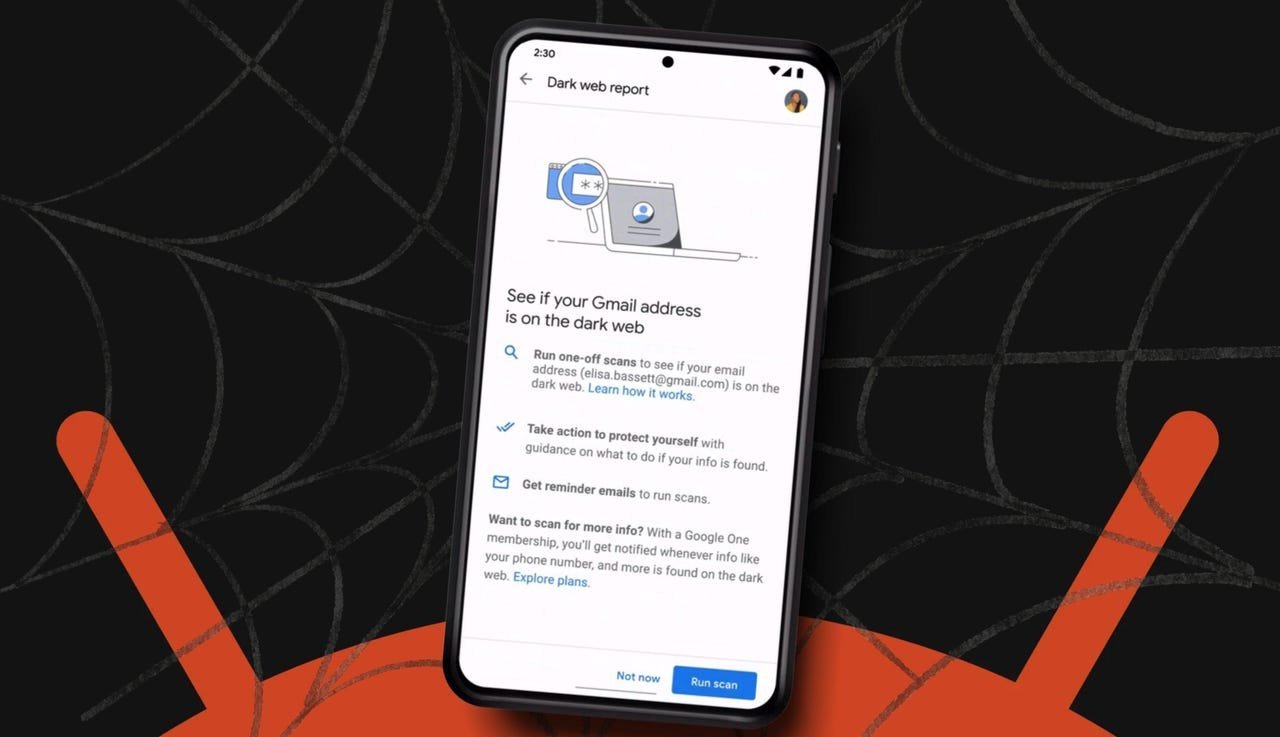
Google has announced it will shutter its dark web report tool, a feature allowing users to scan for their personal information across illicit online marketplaces. As reported by Charlie Osborne for ZDNet, scans will cease on January 15, 2026, with full access ending a month later. This decision underscores the escalating challenges in cybersecurity and the constant evolution of tools aimed at protecting user data.
The Dark Web's Role in Data Breaches
The dark web—a segment of the internet unindexed by conventional search engines—hosts vast repositories of stolen data, including payment card details, Social Security numbers, and email credentials. NordVPN research indicates millions of payment records trade daily here, with U.S. cards fetching as little as $11.51 on average. While often associated with criminal activity, this hidden layer also supports whistleblowers and censorship resistance, complicating efforts to police data exposure.
Google cited user feedback that the tool "didn't provide helpful next steps" despite flagging exposed information. In a statement, the company emphasized shifting focus to "tools that give more clear, actionable steps," like Security Checkup and passkey integration. Users can delete their existing reports via the tool's settings before the February shutdown.
"We'll continue to track and defend you from online threats, including the dark web, and build tools that help protect you and your personal information," Google stated.
Five Alternatives for Ongoing Vigilance
With Google exiting this space, developers and tech professionals must proactively monitor breaches. Here are five effective approaches:
Leverage Google's Remaining Tools: Utilize Security Checkup for account vulnerabilities and Password Manager to identify compromised credentials. Passkeys offer phishing-resistant authentication, reducing reliance on traditional passwords.
Have I Been Pwned: Security expert Troy Hunt's free service (haveibeenpwned.com) scans your email against known breaches. It highlights exposure incidents without revealing specifics, enabling swift password resets or account deletions.
VPN-Based Monitors: Services like NordVPN's Dark Web Monitor or Surfshark Alert scan for leaked credentials but require VPN subscriptions. These tools provide real-time alerts, though their effectiveness depends on continuous dark web surveillance.
Credit Reporting Services: Firms like Experian now bundle dark web scans with credit monitoring. This dual-layer approach detects financial data exposure but often involves subscription fees.
Direct Access (Advanced Users): For technical audiences, accessing the dark web via Tor Browser and a VPN allows manual checks. However, this method demands expertise to navigate risks and is impractical for routine monitoring.
The Broader Security Landscape
Data leaks are pervasive—NordVPN estimates 87% of stolen payment cards remain valid for over a year. This reality makes continuous monitoring non-negotiable for developers handling sensitive systems. While Google's exit disrupts one free resource, it highlights the industry's move toward integrated, actionable security frameworks. Prioritizing tools like passkeys and multi-factor authentication reduces attack surfaces, complementing breach detection.
As digital footprints expand, the responsibility shifts to individuals and organizations to adopt layered defenses. Combining services like Have I Been Pwned with proactive credential management offers resilience, turning reactive scans into strategic safeguards against evolving threats.
Comments
Please log in or register to join the discussion