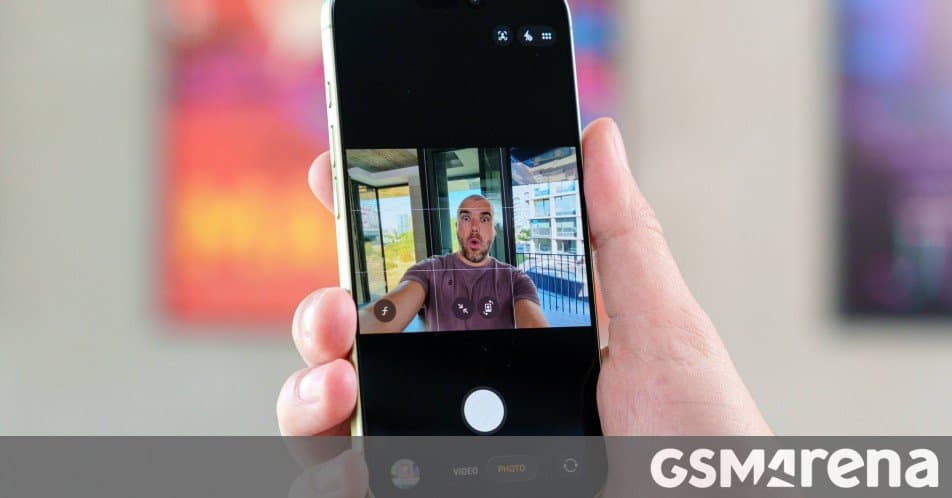
Chinese smartphone giants Huawei and Oppo are reportedly testing 1:1 square sensors for front-facing cameras, potentially following Apple's lead with the iPhone 17 series.
Chinese smartphone manufacturers Huawei and Oppo are reportedly preparing to adopt square selfie sensors in their upcoming devices, following Apple's introduction of the feature in the iPhone 17 series. According to tipster Digital Chat Station, both companies are currently testing 1:1 sensors for front-facing cameras, with different implementation strategies for their respective product lines.
Different approaches for different markets
Huawei appears to be targeting its camera-focused mid-range smartphones for the new square sensor technology. The tipster suggests that the Nova 16 series could be the first Huawei devices to feature this innovation, bringing advanced selfie capabilities to a more accessible price point. This strategy aligns with Huawei's historical approach of introducing cutting-edge camera technology across its product portfolio, not just in flagship models.
Oppo, on the other hand, is reportedly planning to implement the square front camera sensor on its flagship devices, likely starting with the Find X10 series. The tipster claims that Oppo's implementation will be even more advanced than Apple's, though specific details about these enhancements remain unclear.
The advantage of square sensors
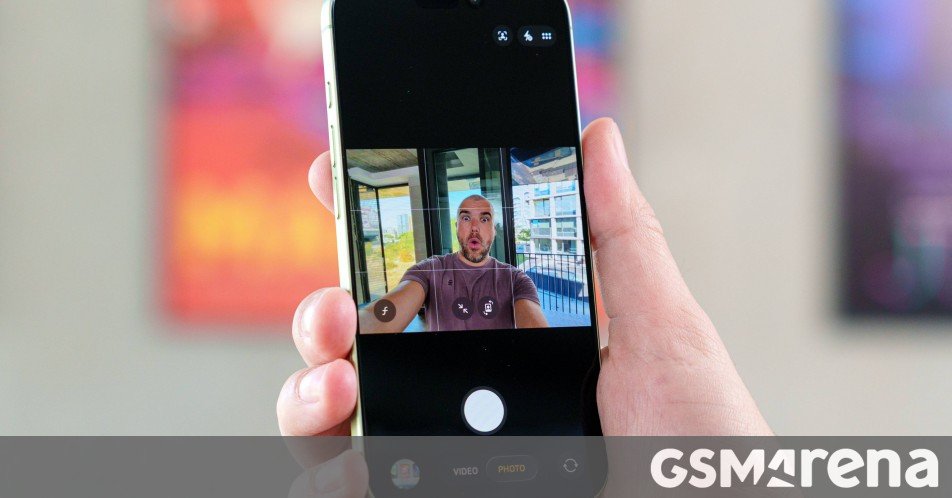
Apple's implementation of the 18MP selfie camera with a 1:1 square sensor on the iPhone 17 series introduced several practical benefits. The square format enables seamless shooting in both portrait and landscape orientations without requiring users to physically rotate their phones. This flexibility is particularly useful for content creators who frequently switch between different aspect ratios for social media platforms.
The square sensor also supports auto zoom functionality, allowing for intelligent framing adjustments based on the subject and shooting scenario. This technology represents a significant evolution from traditional front-facing camera designs, which typically use 4:3 or 16:9 aspect ratios.
Industry implications
If Huawei and Oppo successfully implement square selfie sensors, it could signal a broader industry shift toward this format. The move would represent another instance of Chinese smartphone manufacturers following Apple's lead in camera innovation, similar to previous trends in computational photography and sensor technology.
The adoption of square sensors by multiple major brands could accelerate the development of software features optimized for this format, potentially leading to new creative possibilities for mobile photography and videography. Social media platforms may also adapt their interfaces to better accommodate square-format content captured directly from front-facing cameras.
Reader reactions and alternatives
Reader comments on the news reveal mixed opinions about the square sensor trend. One commenter suggested that traditional 3:4 sensors might actually make more sense for selfies given the tall aspect ratios of modern smartphones, comparing them to "TV remotes." This perspective highlights the ongoing debate about optimal aspect ratios for different use cases in mobile photography.
Another reader advocated for under-display camera technology, citing RedMagic as an example of this approach. Under-display cameras represent a different solution to the challenge of maximizing screen real estate while maintaining front-facing camera functionality, though the technology still faces challenges with image quality and cost.
A third commenter noted the apparent trend of manufacturers following Apple's innovations, suggesting that the square sensor adoption is part of a broader pattern in the smartphone industry.
Looking ahead
The potential adoption of square selfie sensors by Huawei and Oppo could have significant implications for the competitive landscape in the smartphone market. As these companies continue to innovate and differentiate their camera offerings, consumers may benefit from increased choice and more advanced front-facing camera capabilities across different price segments.
The success of this technology will ultimately depend on how well manufacturers can integrate square sensors with their software ecosystems and whether the benefits justify any potential trade-offs in terms of cost or complexity. As with many smartphone innovations, real-world performance and user experience will be the ultimate test of whether square selfie sensors represent a meaningful improvement over existing solutions.
Comments
Please log in or register to join the discussion