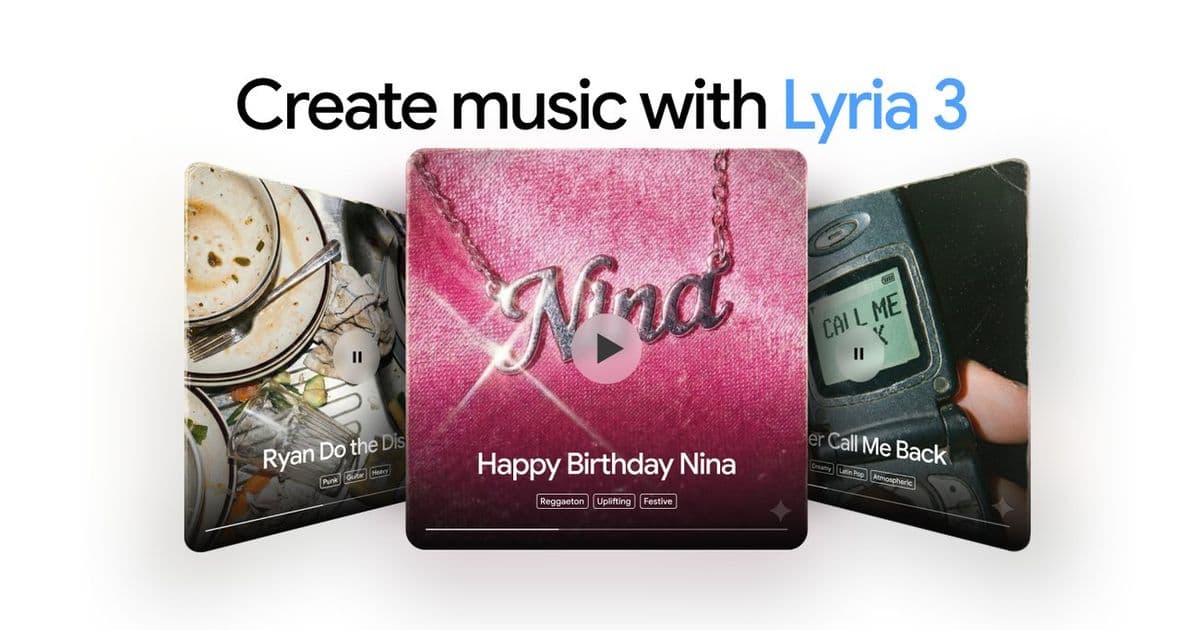
Google debuts its most advanced music generation model, Lyria 3, enabling users to create 30-second tracks with AI-generated cover art in eight languages through the Gemini app.
Google has unveiled Lyria 3, its latest generative music model, now available in beta through the Gemini app. The new model represents a significant advancement in AI-powered music creation, allowing users to generate 30-second audio tracks using either text prompts or image inputs.
Key Features of Lyria 3
The updated model introduces several notable capabilities:
- Multi-modal input support: Users can create music from text descriptions or upload images as inspiration
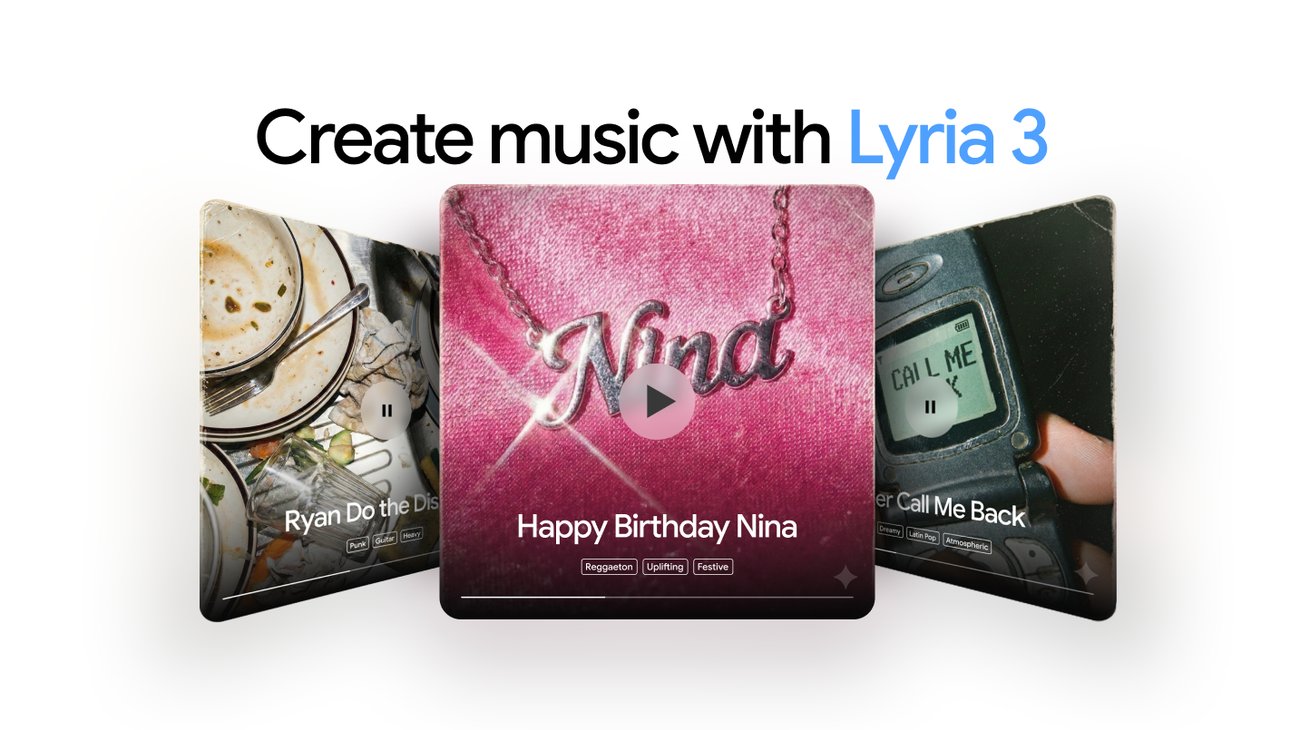
- Nano Banana cover art: Each generated track comes with AI-created album artwork featuring the distinctive "Nano Banana" visual style
- Multi-language support: The beta version supports eight different languages, expanding accessibility
- 30-second track length: Generated compositions are optimized for short-form content consumption
The integration appears to be rolling out directly within the Gemini app, Google's AI assistant platform, making music generation accessible to millions of users without requiring separate software or technical expertise.
Context in the AI Music Landscape
Lyria 3 enters a competitive field of AI music generators that have emerged over the past two years. Major tech companies and startups alike have been racing to develop models capable of creating original music across various genres and styles.
Google's approach with Lyria has been notably different from some competitors. Rather than positioning it as a tool for professional musicians, the company appears to be targeting casual users and content creators who want quick, accessible music generation for social media, videos, or personal projects.
The 30-second track limitation suggests Google is positioning Lyria 3 for specific use cases rather than attempting to replace full music production workflows. This strategy aligns with the growing demand for short-form audio content across platforms like TikTok, Instagram Reels, and YouTube Shorts.
Technical Implications
While specific technical details remain limited, the multi-modal input capability indicates significant advancements in how AI models can interpret and translate visual information into musical elements. The ability to generate coherent music from images suggests improvements in cross-modal understanding and creative synthesis.
The Nano Banana cover art feature is particularly interesting from a design perspective. Rather than using generic or placeholder artwork, Google has created a distinctive visual style that becomes part of the user experience, potentially helping generated tracks feel more complete and shareable.
Industry Impact
This launch comes amid broader developments in AI music technology. Companies like Suno, Udio, and Stability AI have also released music generation tools, while traditional music industry players are grappling with the implications of AI-generated content.
Google's entry with Lyria 3 could accelerate mainstream adoption of AI music tools, particularly given the company's massive user base through Gemini. The multi-language support also positions the technology for global markets, potentially outpacing competitors in international reach.
However, questions remain about how the music industry will respond to widespread AI music generation, particularly regarding copyright, attribution, and the value of human creativity in an era of automated content creation.
User Experience Considerations
The beta nature of the release suggests Google is still refining the user experience and may be gathering feedback before a broader rollout. The integration within Gemini makes sense from a user experience perspective, as it provides a natural interface for creative tasks without requiring users to learn new software.
The 30-second limitation, while potentially frustrating for some users, may actually be a strategic choice that aligns with current content consumption patterns and helps manage computational costs associated with longer audio generation.
Future Outlook
As Lyria 3 moves beyond beta, several developments seem likely:
- Expansion of track length capabilities
- Integration with other Google services and creative tools
- Potential partnerships with content platforms for direct publishing
- Evolution of the Nano Banana art style or introduction of customization options
- Development of more sophisticated control over musical elements and styles
The success of Lyria 3 could influence how other tech companies approach AI music generation, potentially leading to more specialized tools for different user segments and creative workflows.
The launch of Lyria 3 represents Google's most ambitious push into AI music generation to date, combining technical innovation with user-friendly design to make music creation accessible to a broad audience. As the technology matures, it will be interesting to see how it shapes both creative practices and the broader music industry landscape.
Comments
Please log in or register to join the discussion