
Google's upcoming Pixel 11 series is expected to introduce the Titan M3 security processor alongside the Tensor G6 SoC, marking the first security chip upgrade in Pixel devices since 2021.
Google's Pixel smartphone lineup appears poised for a significant security upgrade with the upcoming Pixel 11 series. According to recent reports, these devices will introduce the Titan M3 security processor alongside the new Tensor G6 system-on-chip. This would represent the first major security chip refresh in Pixel devices since the Titan M2 debuted with the Pixel 6 series back in 2021.
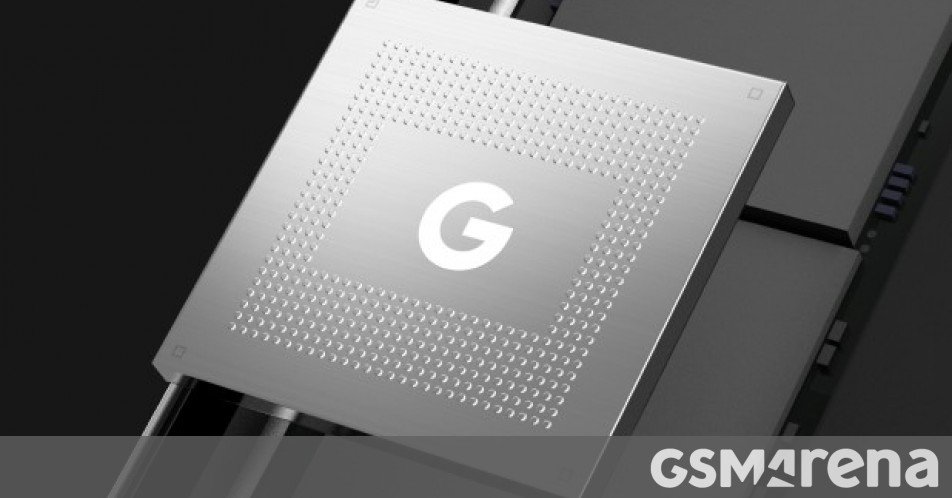
The Titan M2 chip currently handles several critical security functions across Pixel devices including the recently released Pixel 10 series. Its responsibilities include secure boot verification to ensure only trusted software loads during startup, protection of on-device encryption keys, anti-refund protection to prevent OS downgrades to vulnerable versions, and lock screen passcode verification. Crucially, the Titan M2 operates independently from the main Tensor processor and Android OS, maintaining security even if those components become compromised.
While specific details about Titan M3's improvements remain scarce, its internal codename "Google Epic" suggests substantial enhancements over its predecessor. Potential upgrades could include faster cryptographic operations enabling more complex security protocols without impacting performance, expanded secure storage capacity for biometric data and digital credentials, improved resistance to sophisticated hardware attacks like voltage glitching, and potentially new secure execution environments for financial transactions or identity verification.
The timing aligns with Pixel's evolving security architecture. Since the original Titan M debuted in 2018's Pixel 3, Google has maintained a four-year refresh cycle for these specialized security processors. This upgrade coincides with increasing mobile security demands including advanced phishing protection, digital wallet security, and resistance to sophisticated malware targeting mobile payment systems.
Integration with Tensor G6 presents interesting possibilities. Google could leverage tighter hardware-level coordination between the security chip and Tensor's AI capabilities for features like on-device threat analysis without compromising user privacy. The Titan M3 might also handle new Pixel-specific security functions like enhanced camera privacy controls or secure processing of health sensor data.
For Pixel ecosystem users, this upgrade reinforces Google's commitment to hardware-backed security. Unlike many Android manufacturers relying solely on software solutions, Pixel's dedicated Titan chips provide physical isolation for sensitive operations. The Titan M3's arrival could position Pixel 11 as a leader in consumer device security, potentially influencing Android security standards as Google continues bridging its cloud security expertise with mobile hardware.
As Google prepares its fall hardware event, more details about Titan M3's capabilities should emerge. What remains clear is that after five years of incremental updates to the Titan M architecture, Pixel users appear set for a meaningful leap in device security fundamentals.
Comments
Please log in or register to join the discussion