
Google is updating its Veo 3.1 video generation model, specifically enhancing the 'Ingredients to Video' feature to produce more expressive and consistent results. The update also introduces native support for vertical video generation and 4K upscaling, addressing key user demands for social media content and higher fidelity outputs.
Google has announced a series of targeted updates to its Veo 3.1 model, focusing on the 'Ingredients to Video' feature that allows users to upload reference images to guide video generation. The core improvements center on making the generated videos more expressive and visually consistent with the source material, a persistent challenge in AI video synthesis.
The 'Ingredients to Video' workflow lets users provide a main image, or 'ingredient,' which the model then uses as a visual anchor for the resulting clip. According to Google, the new update significantly improves how well the final video adheres to the style, composition, and character details of the input image. This means fewer visual hallucinations and a more faithful translation from static image to motion.
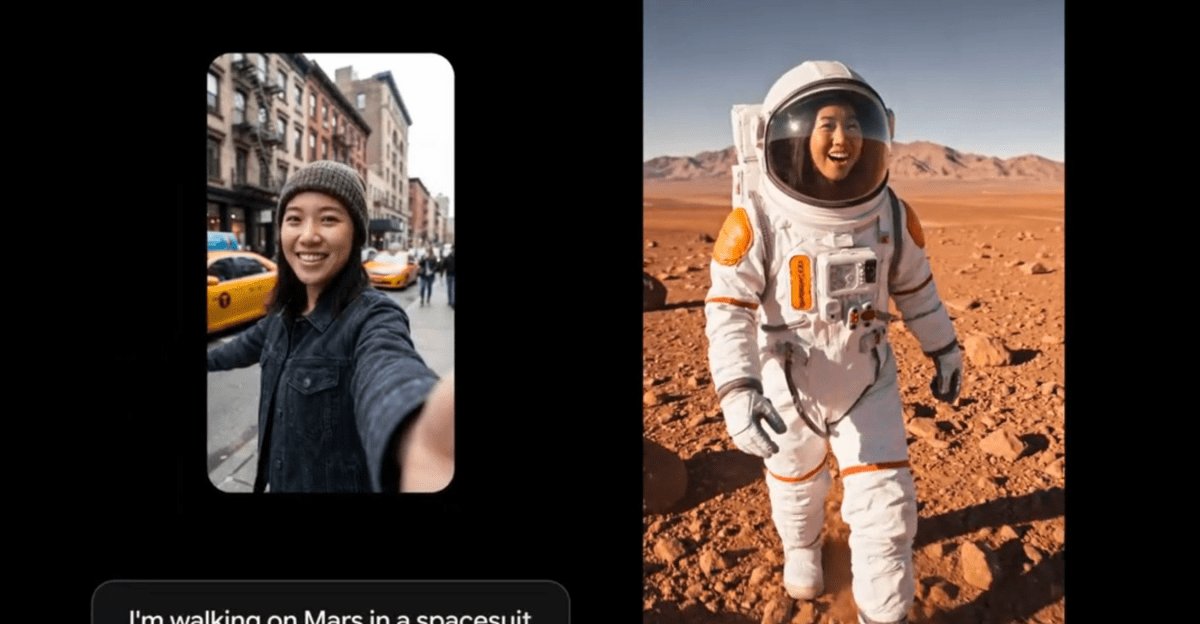
Alongside better consistency, the update introduces two highly requested features:
Native Vertical Video Generation: Recognizing the dominance of mobile-first platforms like TikTok and Instagram Reels, Veo 3.1 can now natively generate videos in vertical aspect ratios (9:16). Previously, users had to crop horizontal outputs, often losing important visual elements. This change allows creators to compose their shots specifically for mobile viewing from the start.
4K Upscaling: The model now supports upscaling generated videos to 4K resolution. While the base generation might occur at a lower resolution for speed, this post-processing step allows for much sharper, higher-fidelity final outputs suitable for larger screens or professional editing pipelines.
These improvements appear to be a direct response to feedback from the creative community, who have been using tools like Veo for commercial projects but have been constrained by format limitations and the model's tendency to drift from source imagery. The ability to generate expressive, vertical, and high-resolution video in a single workflow makes the tool significantly more practical for marketing, social media, and storyboard applications.
For developers and enterprise users interested in integrating these capabilities, the Veo model is accessible through the Google AI Studio and the Google Cloud Vertex AI API. The official Google Blog provides further technical details on the specific changes to the model's architecture and prompt adherence.
Comments
Please log in or register to join the discussion