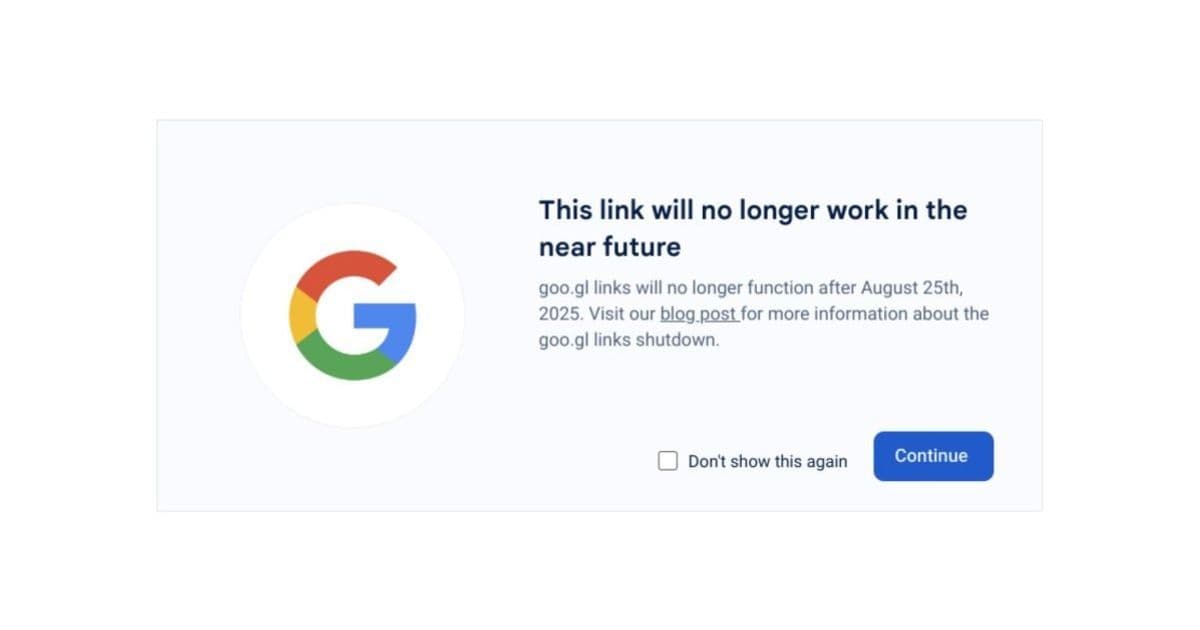
Google has abandoned its plan to fully deactivate all goo.gl short URLs this month, opting instead to preserve links with recent activity after user backlash. While inactive URLs will still be sunset, the move prevents widespread broken links in digital content. This decision highlights the enduring challenges of deprecating legacy web services in an interconnected ecosystem.
In a significant policy reversal, Google has announced that actively used goo.gl short URLs will continue to function indefinitely, walking back its earlier plan to completely shut down the service by August 25, 2025. This decision comes after widespread concern from developers, content creators, and organizations who rely on these links in everything from documentation to social media archives. The move underscores the fragile nature of digital dependencies and Google's responsiveness to community feedback—but it also leaves lingering questions about the long-term maintenance of deprecated services.
The Backstory: A Phased Sunset
Google launched goo.gl in 2009 as a free URL shortener, quickly making it a staple for developers sharing APIs, tracking campaigns, or embedding concise links in code snippets. However, in March 2019, Google stopped allowing new link creations, citing a shift toward Firebase Dynamic Links and other modern solutions. Last year, the company escalated its exit strategy, declaring that all existing goo.gl URLs would cease working entirely by late August 2025, returning 404 errors. This sparked alarm, as billions of shortened links are woven into the fabric of the web—from academic papers to GitHub repositories.
The Pivot: Preserving Active Links
Facing vocal pushback, Google has now refined its approach. Only "inactive" goo.gl links—those with no traffic in recent months—will be deactivated starting later this month. Active links, however, will remain operational for the foreseeable future. As Google stated:
"We understand these links are embedded in countless documents, videos, posts and more, and we appreciate the input received."
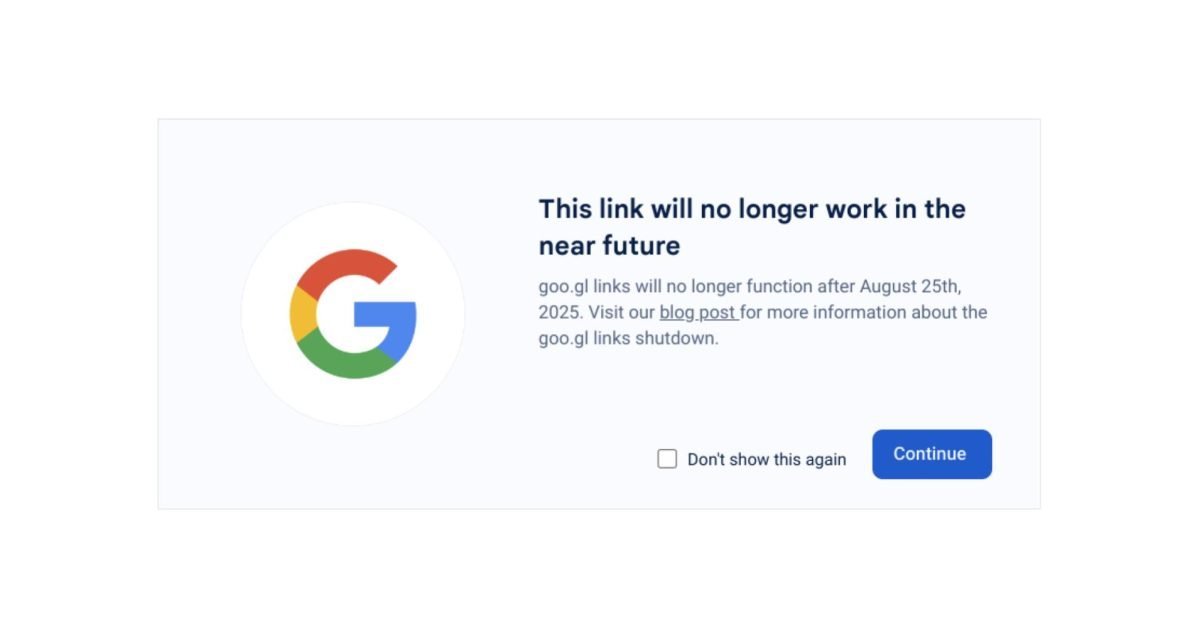
This compromise is pragmatic: internal data revealed that over 99% of goo.gl links had no activity in a recent month, making the preservation effort manageable. Users can check a link's status by visiting it; if a "This link will no longer work in the near future" warning appears (as shown in the image above), it's slated for deactivation. Links without this warning will redirect as normal, though Google hasn't committed to a permanent timeline.
Why This Matters for the Tech Ecosystem
For developers, this reversal is a relief but also a cautionary tale. Shortened URLs are often deeply embedded in legacy systems, APIs, and automated workflows—breaking them could disrupt services or erode trust. The incident highlights the risks of relying on free, centralized services for critical infrastructure, echoing past issues like the Log4j vulnerability. It also reflects a broader trend: as cloud providers deprecate older tools (e.g., Google Cloud Print or AWS legacy services), transparent communication and grace periods become essential to mitigate fallout.
Critically, Google's data-driven approach—preserving only active links—balances cost with user needs, setting a precedent for how tech giants might handle future sunsets. Yet, it leaves unresolved questions about digital preservation: What defines "active" in the long term? And how can organizations future-proof their dependencies?
As the web evolves, this episode serves as a reminder that even deprecated technologies can have enduring footprints, demanding thoughtful transitions rather than abrupt endings. For now, developers should audit their goo.gl links and migrate critical ones—but thanks to Google's pivot, the web's connective tissue remains a bit more intact.
Source: 9to5Google
Comments
Please log in or register to join the discussion