Google's latest Android rollout introduces three transformative upgrades: an on-device AI writing assistant for Gboard, an Emoji Kitchen revamp enabling custom sticker remixes, and a redesigned Quick Share for seamless cross-device transfers. These enhancements prioritize user creativity and productivity while emphasizing privacy through local processing, signaling Google's commitment to refining Android's core experience amid fierce mobile OS competition.
Android users are poised for a communication revolution as Google deploys its September update, delivering three free upgrades that blend AI innovation with practical utility. At a time when mobile OS differentiation hinges on user experience, these features—rolling out progressively to devices—aim to make everyday interactions more intuitive, expressive, and secure.
1. On-Device AI Writing Refinement in Gboard
The standout addition is an AI-powered writing tool integrated directly into Gboard, Android’s default keyboard. Users can now revise messages in real-time for tone (formal, expressive, concise) or correct grammar and spelling without cloud dependency. Crucially, all processing occurs on-device, addressing mounting privacy concerns by ensuring sensitive text data never leaves the phone. For developers, this underscores Google’s push toward edge-AI capabilities—a trend reducing latency and enhancing security for mobile applications. As one Google engineer noted, ‘This isn’t just about convenience; it’s about redefining trust in AI tools.’
2. Emoji Kitchen’s Creative Remixing Engine
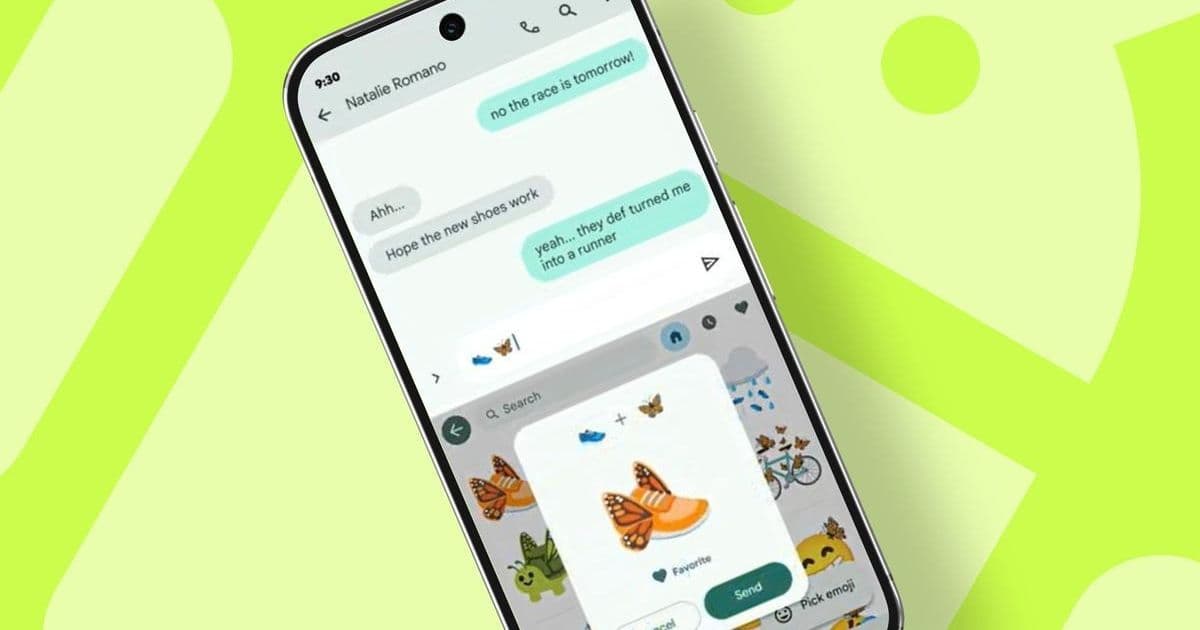
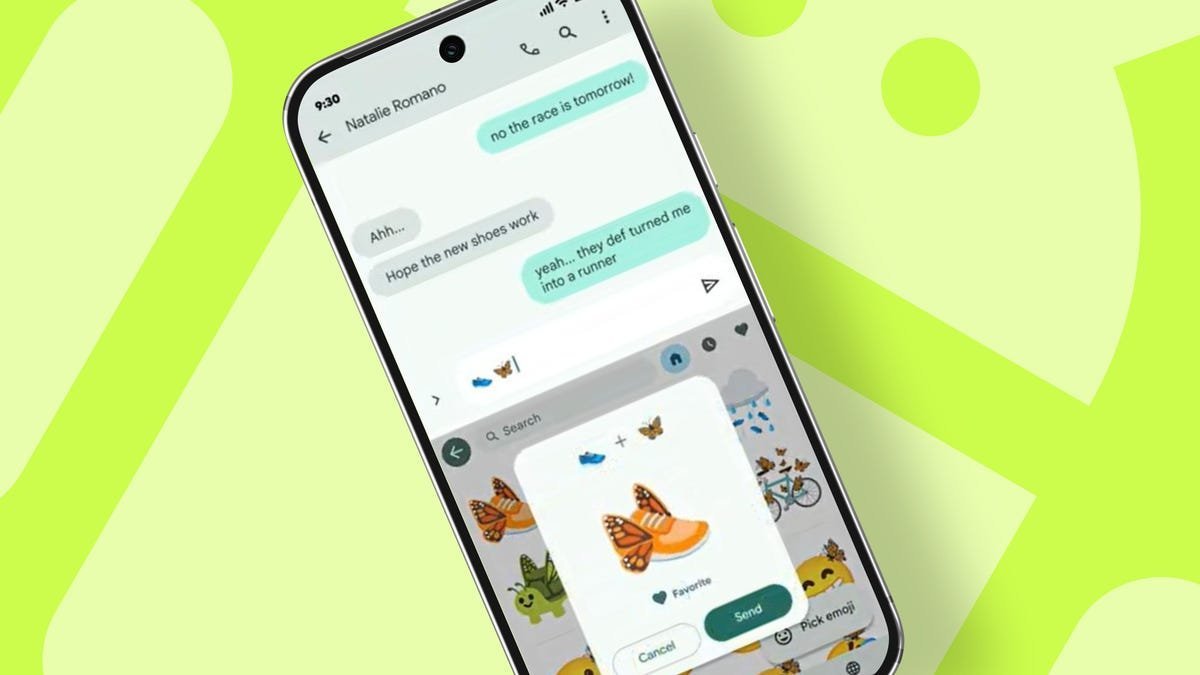
Emoji Kitchen, Google’s playful sticker generator, receives a significant upgrade. A new browse function simplifies discovering combinations, while the ‘remix’ feature allows users to fuse emojis—like a butterfly and sneaker into winged footwear—crafting bespoke visuals for messages. Though not as advanced as Apple’s generative Genmoji, this low-friction creativity democratizes personal expression. For the Android ecosystem, it highlights how small UX innovations can drive engagement, potentially inspiring third-party app developers to adopt similar customizable elements.
3. Streamlined Quick Share and Audio Enhancements
Quick Share, Android’s answer to AirDrop, gets a visual overhaul with clearer send/receive toggles and progress indicators for smoother file transfers between Android, Chromebooks, and Windows PCs. Complementing this is new audio-sharing support, enabling two users to pair LE Audio headphones simultaneously—ideal for shared listening experiences. Additionally, users can create custom AI bots via selfies or prompts, hinting at Google’s broader ambitions for personalized digital assistants.
Why This Matters Beyond the Features
This update arrives as Android battles iOS for dominance in AI-driven functionalities. By prioritizing on-device processing, Google not only bolsters privacy but also reduces reliance on cloud infrastructure—a win for users in low-connectivity regions. The gradual rollout, typical for Android updates, means developers should prepare for fragmented adoption, though Google’s emphasis on backward compatibility softens this challenge. Ultimately, these refinements reflect a maturation of Android’s ethos: empowering users with tools that feel both magical and meticulously practical.
Source: ZDNET
Comments
Please log in or register to join the discussion