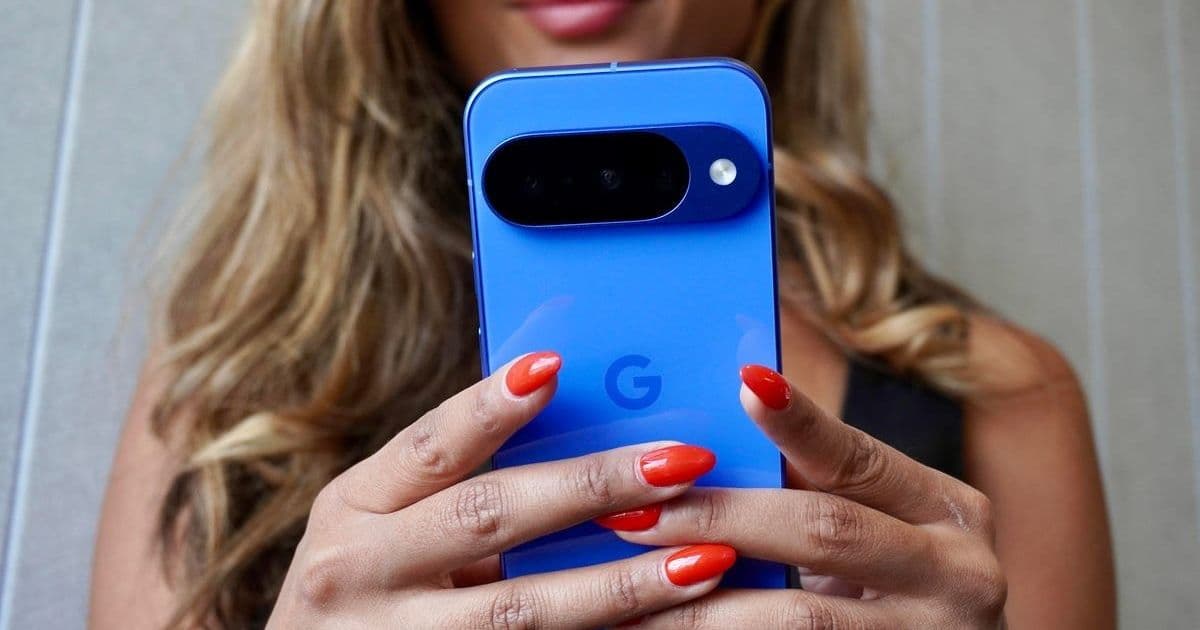
Google's latest Android update brings Bluetooth LE Audio and Auracast support to flagship Pixel and Samsung devices, enabling effortless audio broadcasting to multiple headphones. This upgrade breaks ecosystem barriers but requires compatible hardware on both ends, signaling a shift in personal and public audio experiences.
For years, sharing audio from a single Android device with multiple listeners meant tangled cables, finicky third-party apps, or being locked into a specific headphone brand. That friction point is dissolving: Google's latest update brings Bluetooth LE Audio with Auracast support to select flagship devices, including the Pixel 8 series and newer, Samsung Galaxy S23/S24/S25 series, and Galaxy Z Fold 5/6/7 models. This isn't just a minor quality-of-life improvement—it's a fundamental shift in how Bluetooth handles audio distribution.
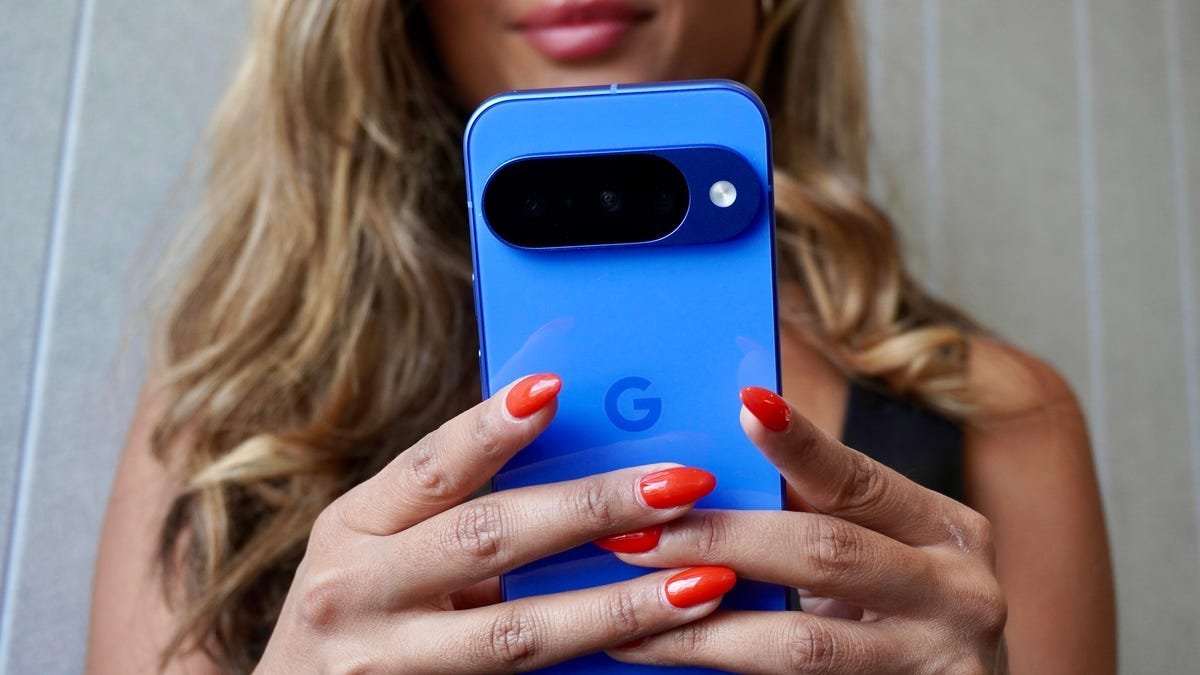 Main article image showing Auracast in use.
How Auracast Rewrites the Rules
At its core, Auracast is a public broadcast profile built atop Bluetooth Low Energy (LE) Audio. Unlike traditional Bluetooth pairing (one-to-one), Auracast enables one-to-many broadcasting. This means:
- Private Sharing: Broadcast audio from your phone (music, videos, calls) to an unlimited number of nearby compatible headphones. Friends join via scanning a QR code generated on your device or through Google's Fast Pair.
- Public Accessibility: Connect directly to Auracast transmitters in venues like gyms, theaters, or airports for closed-captioning or translated audio streams, privately through your own hearing aids or earbuds.
The Hardware Hurdle: What Works Now?
The promise is revolutionary, but adoption hinges on compatibility:
- Phones: Currently limited to recent high-end models (Pixel 8+, Galaxy S23/S24/S25, Z Fold 5/6/7, select Xiaomi/Poco).
- Headphones/Earbuds: Requires devices supporting the Auracast profile. Confirmed models include:
- Samsung Galaxy Buds 3 Pro
- JBL Tour One M3
- Sennheiser Accentum True Wireless
- Sony WF-1000XM5 (currently the only confirmed Sony model)
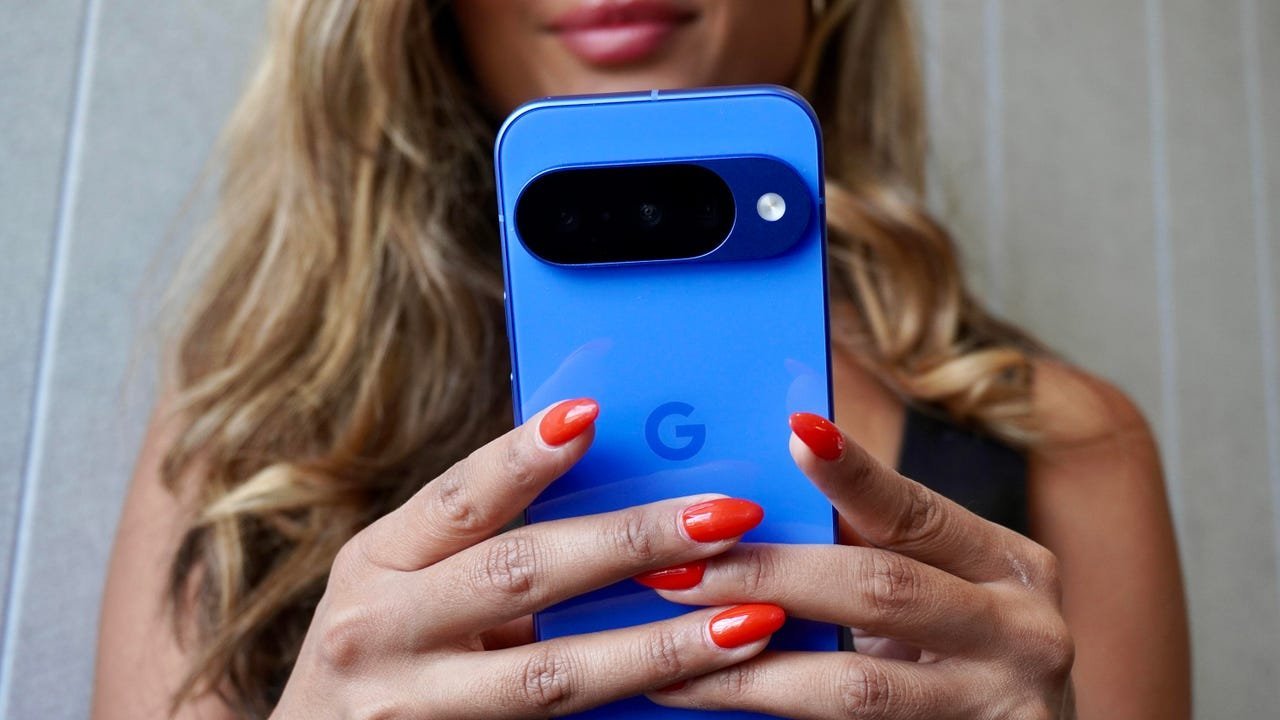 Google Pixel 10 (Caption: Kerry Wan/ZDNET)
Why This Matters for Developers and the Ecosystem
- Breaking Walled Gardens: Auracast is a standardized Bluetooth SIG protocol, not proprietary tech. This paves the way for true cross-platform, cross-brand audio sharing, reducing reliance on vendor-specific solutions.
- New Use Cases: Beyond personal sharing, developers can explore apps leveraging public Auracast broadcasts for location-based experiences, accessibility enhancements, or interactive events.
- The Infrastructure Gap: While device support grows, widespread venue adoption lags. This creates an opportunity for integrators and developers to build the backend systems managing these public broadcasts.
The Road to Ubiquity
Google and Samsung rolling out support to their flagship lines is a significant push. However, for Auracast to reach its potential, we need:
- Broader phone & headphone adoption: Mid-range and older devices need upgrades or support.
- Robust venue infrastructure: Significant investment is required for public space transmitters.
- Developer engagement: Creating compelling applications beyond simple audio mirroring.
This update marks a crucial step towards frictionless audio sharing. While the ecosystem is still maturing, the technical foundation laid by Bluetooth LE Audio and Auracast fundamentally changes what's possible with wireless sound, moving us closer to a world where sharing your audio is as simple as sharing a link.
Comments
Please log in or register to join the discussion