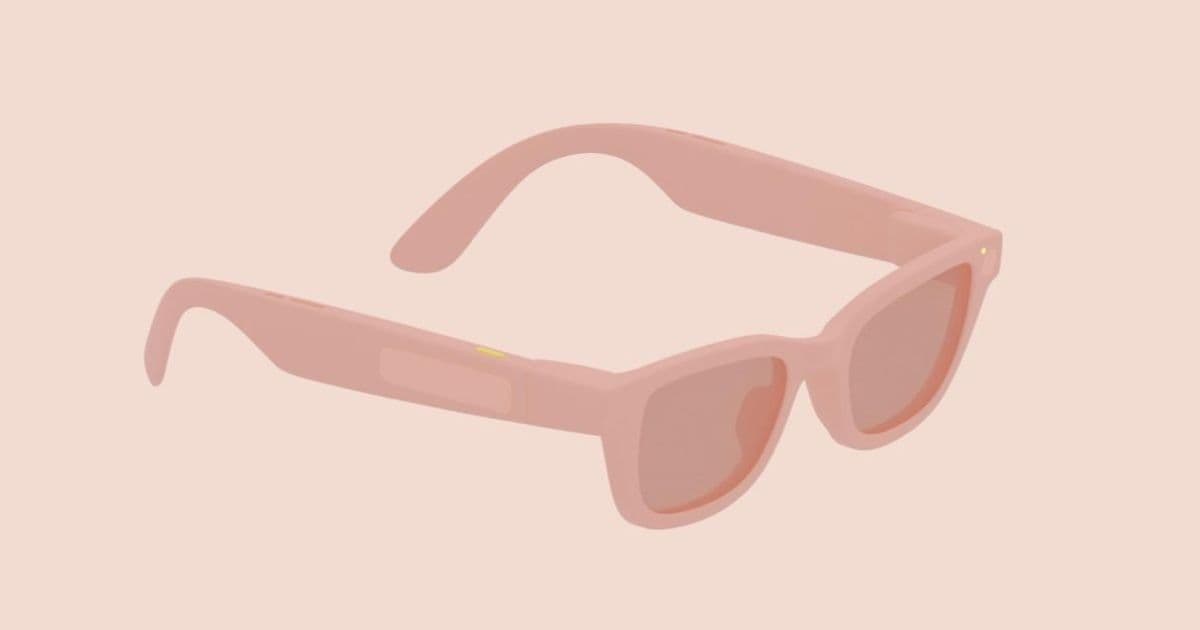
Leaked Android XR design documentation reveals Google's approach to XR glasses, including mandatory physical buttons, a new 'Glimmer' UI design language, and specific hardware requirements that signal the company's vision for consumer AR wearables.
Google's Android XR glasses are taking shape through recently leaked design documentation and developer tools, offering the first concrete details about what consumers can expect from the company's AR wearable platform launching in 2026.
Mandatory Physical Controls Signal Design Philosophy
The most striking revelation from the leaked materials is Google's requirement for mandatory physical buttons on all Android XR glasses. According to the documentation, devices must include at least one physical button for core functions, with recommendations for additional controls including volume buttons, a camera shutter button, and a home button.
This design choice bucks the trend toward fully gesture-based interfaces seen in many modern devices. Google appears to be prioritizing tactile feedback and reliability over minimalist aesthetics, likely recognizing that users will need dependable controls when their hands might be occupied or when visual interfaces aren't practical.
'Glimmer' UI Design Language Emerges
The leaked documents introduce "Glimmer," Google's new design language specifically crafted for XR environments. The system emphasizes subtle visual cues that appear to float naturally in the user's field of view, with a focus on reducing visual clutter while maintaining accessibility.
Glimmer appears designed to work in various lighting conditions, from bright outdoor environments to dim indoor spaces. The documentation suggests the UI will use adaptive brightness and contrast to ensure visibility without overwhelming the user's natural vision.
Technical Specifications and Hardware Requirements
Beyond the user interface, the design docs outline specific hardware requirements that give insight into Google's vision for the XR glasses:
- Display Technology: High-resolution micro-OLED displays with a minimum 90Hz refresh rate
- Field of View: At least 40 degrees horizontal and 25 degrees vertical
- Battery Life: Target of 8+ hours of typical use
- Connectivity: Wi-Fi 6E and Bluetooth 5.3 support
- Sensors: Multi-camera array for environmental understanding and hand tracking
The specifications suggest Google is aiming for a premium experience that balances performance with practical battery life, rather than pushing for maximum specs at the expense of usability.
Developer Tools and Ecosystem Building
The leaked developer tools reveal Google's strategy for building an XR app ecosystem. The Android XR SDK includes specialized frameworks for spatial computing, environmental mapping, and context-aware UI adaptation. Developers can create apps that respond to the user's surroundings, physical gestures, and even gaze direction.
Google is also emphasizing privacy and security in its developer guidelines, requiring explicit user consent for camera access and providing tools for transparent data handling. This approach suggests the company is learning from past controversies around always-on devices.
Market Positioning and Competition
The timing of Android XR's 2026 launch positions Google to compete directly with Apple's rumored AR glasses and Meta's ongoing VR/AR efforts. By establishing clear hardware and software standards early, Google appears to be creating a unified platform that could attract both hardware manufacturers and developers.
The mandatory physical buttons and emphasis on practical usability suggest Google is targeting everyday consumers rather than just early adopters or enterprise users. This could differentiate Android XR from more experimental AR platforms that have struggled to find mainstream adoption.
Implications for the XR Industry
Google's approach with Android XR could set new standards for the entire XR industry. The combination of mandatory physical controls, the Gimmer design language, and comprehensive developer tools creates a cohesive vision for what AR glasses should be.
If successful, Android XR could help move AR glasses from niche gadgets to practical everyday devices. The emphasis on reliability, privacy, and user comfort suggests Google is aiming for mass-market appeal rather than just technical innovation.
What Comes Next
With the 2026 launch timeline, Google has about a year to refine the platform based on developer feedback and early hardware prototypes. The leaked documentation appears to be from an early stage, so significant changes are still possible before the official release.
The success of Android XR will ultimately depend on execution—delivering on the promised battery life, ensuring the Gimmer UI feels natural rather than intrusive, and building a compelling app ecosystem. But the leaked details suggest Google has put considerable thought into creating a platform that could finally make AR glasses a practical reality for everyday users.
For developers and consumers alike, the Android XR documentation provides the clearest picture yet of Google's vision for the future of wearable computing—one where AR glasses become as essential as smartphones, but with a distinctly Google approach to design and functionality.
Comments
Please log in or register to join the discussion