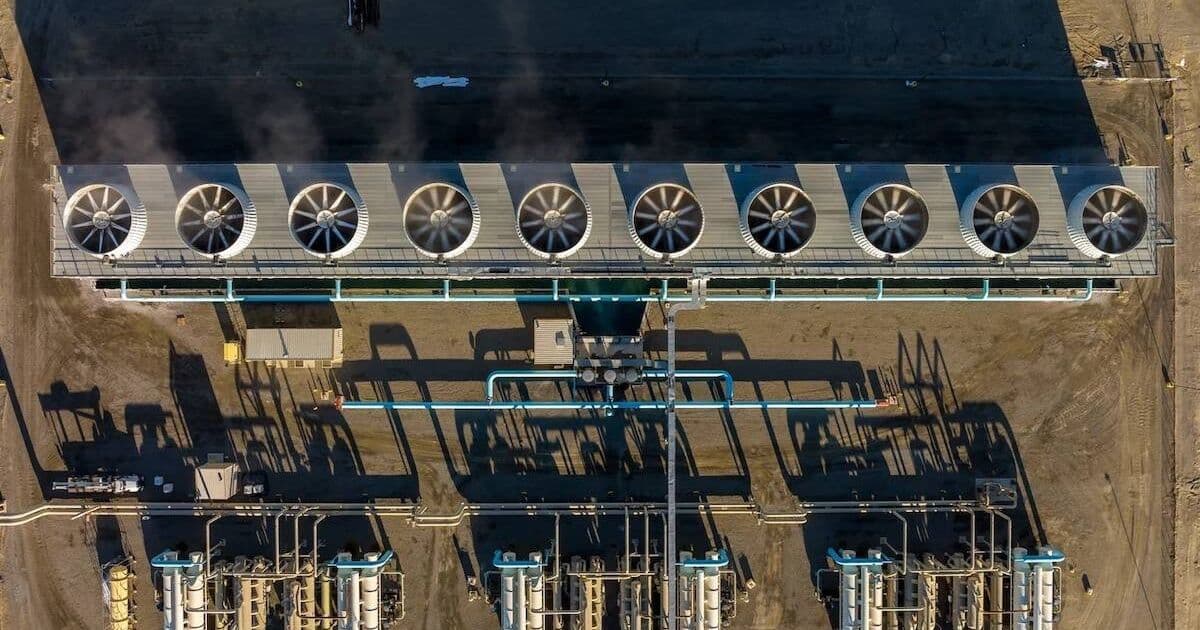
Google partners with Ormat Technologies to secure 150 MW of geothermal energy for its Nevada datacenters, doubling down on Earth-powered AI infrastructure as hyperscalers race to solve the clean energy challenge.
As artificial intelligence continues its explosive growth, the datacenters powering these systems face an unprecedented energy challenge. Google's latest move to secure 150 megawatts of geothermal energy from Ormat Technologies represents a significant bet on Earth's internal heat as a solution to the AI energy crisis.
The AI Energy Problem
The numbers tell a stark story. Modern AI datacenters are projected to exceed one gigawatt of compute capacity within the next couple years - a massive leap from the few hundred megawatts that would have powered an entire datacenter campus just years ago. This exponential growth in power consumption has forced tech giants to explore increasingly creative solutions to keep their infrastructure running without burning through fossil fuels.
Google has been at the forefront of this energy innovation for over a decade. The company first embraced geothermal energy as a means of offsetting its datacenter carbon footprint back in 2008, making it one of the earliest hyperscalers to recognize the potential of Earth-powered computing.
How Geothermal AI Works
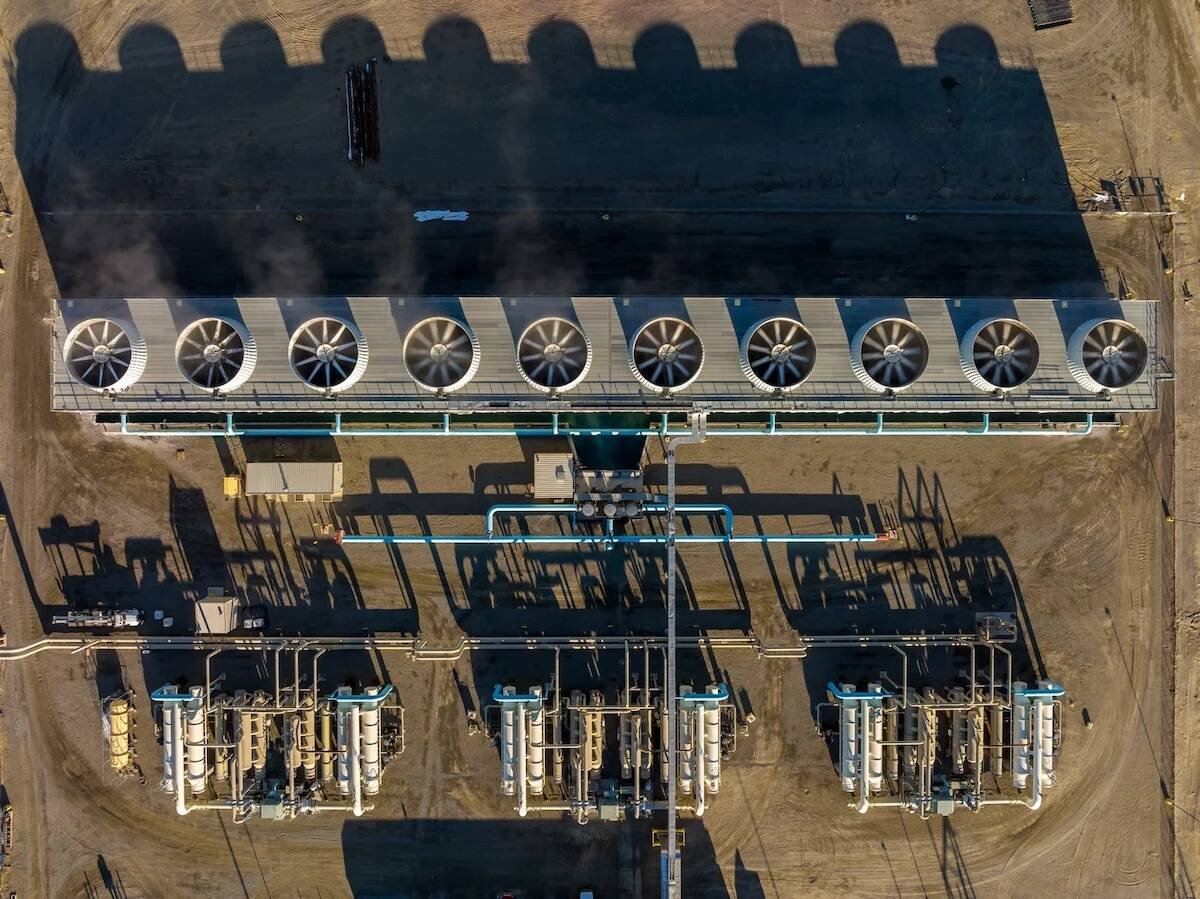
The technology behind Google's geothermal ambitions builds on innovations originally developed by the oil and gas industry. The process involves boring two parallel wells to depths of approximately 8,000 feet (2,438 meters) where rock temperatures exceed 190 degrees Celsius. Water is then pumped between these wells through fractured rock, where it's heated to produce steam that drives turbines to generate electricity.
Google's journey with geothermal began with Fervo Energy in 2023, when the company brought its first "enhanced geothermal plant" online in Nevada. This initial trial was modest, generating around 3.5 megawatts - enough to power a small neighborhood but a fraction of what modern AI systems require. The partnership quickly scaled, with Google and Fervo signing an agreement to supply an additional 115 megawatts of power to the grid.
Scaling Up for AI
The new agreement with Ormat Technologies represents a significant escalation in Google's geothermal strategy. If approved by Nevada's Public Utilities Commission later this year, the geothermal plants are expected to begin producing power between 2028 and 2030, with a planned operational lifespan of at least 15 years.
This 150-megawatt addition will more than double Google's geothermal energy supply in the region, bringing the total to over 268 megawatts. While this is still a fraction of what a single AI datacenter might eventually consume, it represents a crucial step toward sustainable AI infrastructure.
The Industry Race
Google isn't alone in its pursuit of Earth-powered computing. Meta has also explored geothermal technology, striking a deal with Sage Geosystems in 2024 to deliver up to 150 megawatts of power harvested from the Earth's heat.
The competition reflects a broader industry recognition that traditional renewable sources like solar and wind, while valuable, cannot alone meet the round-the-clock power demands of AI datacenters. Geothermal offers the promise of consistent, baseload power that doesn't depend on weather conditions or time of day.
Economic and Technical Challenges
Despite its promise, geothermal energy faces significant hurdles. A report by the Rhodium Group estimates that geothermal power could meet up to 64 percent of expected datacenter growth by the early 2030s. However, this potential comes with a catch: bit barn operators will need to pay a 20 percent premium over regional power sources to make the economics work.
Additionally, the viability of geothermal projects depends heavily on government support through tax credits. Any reduction in these incentives could make the technology less attractive to cost-conscious datacenter operators.
The technical challenges are equally daunting. Drilling to depths of 8,000 feet requires specialized equipment and expertise. The fracturing process must be carefully managed to prevent seismic activity, and the long-term reliability of these systems remains to be proven at scale.
The Broader Energy Landscape
Google's geothermal push comes amid growing concerns about the energy demands of AI and their impact on climate goals. The company's investment in clean energy sources represents an attempt to decouple AI growth from increased carbon emissions.
However, the energy challenge extends beyond just finding clean power sources. The industry is also exploring colocation of nuclear reactors with datacenters, as evidenced by Amazon-backed X-Energy receiving approval for mini reactor fuel production. Meanwhile, concerns persist about foreign entities embedded in US energy networks, highlighting the strategic importance of energy independence in the AI era.
Looking Ahead
As AI continues to transform industries and society, the energy infrastructure supporting it will become increasingly critical. Google's geothermal strategy represents one of several parallel approaches the company is pursuing to ensure its AI ambitions don't come at the cost of environmental sustainability.
The success or failure of these geothermal projects could have implications far beyond Google. If the technology proves viable at scale, it could provide a blueprint for other industries facing similar energy challenges. Conversely, if the economics don't work out, it may force a reevaluation of how we power the AI revolution.
What's clear is that the intersection of AI and energy will be one of the defining technological challenges of the coming decade. Companies like Google are betting that the answer lies not just in the cloud, but deep beneath our feet.
Comments
Please log in or register to join the discussion