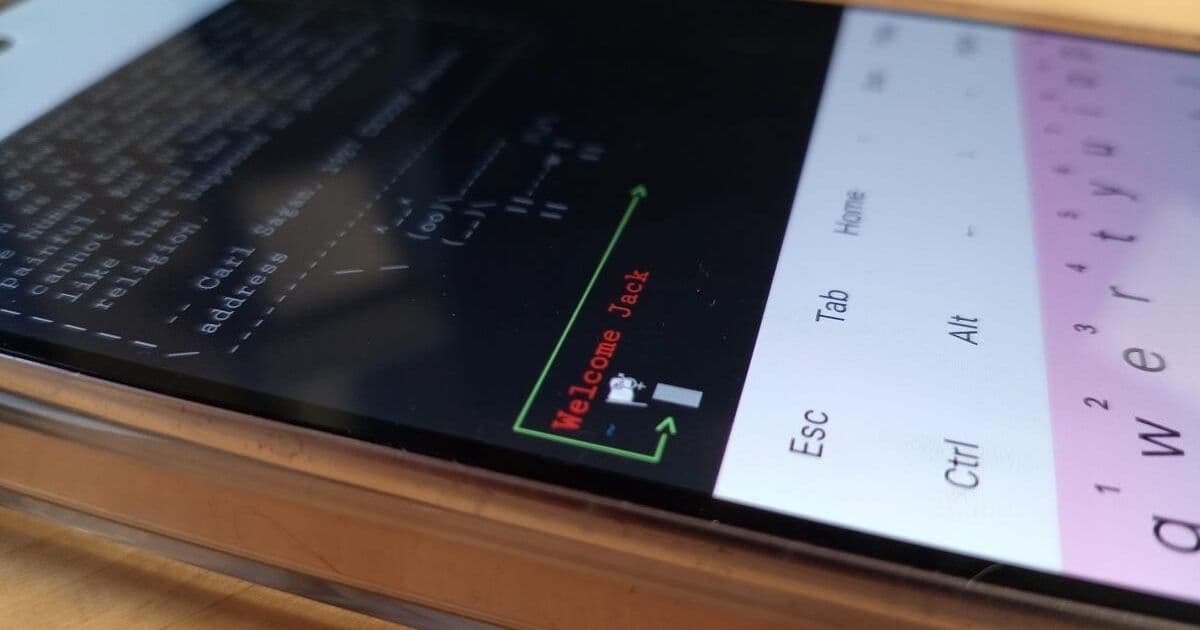
Google is developing a Linux terminal app that enables developers to build Android apps natively on Android devices. This innovation leverages the Android Virtualization Framework to run a full Debian environment, potentially transforming app development workflows and blurring lines between mobile and desktop computing.
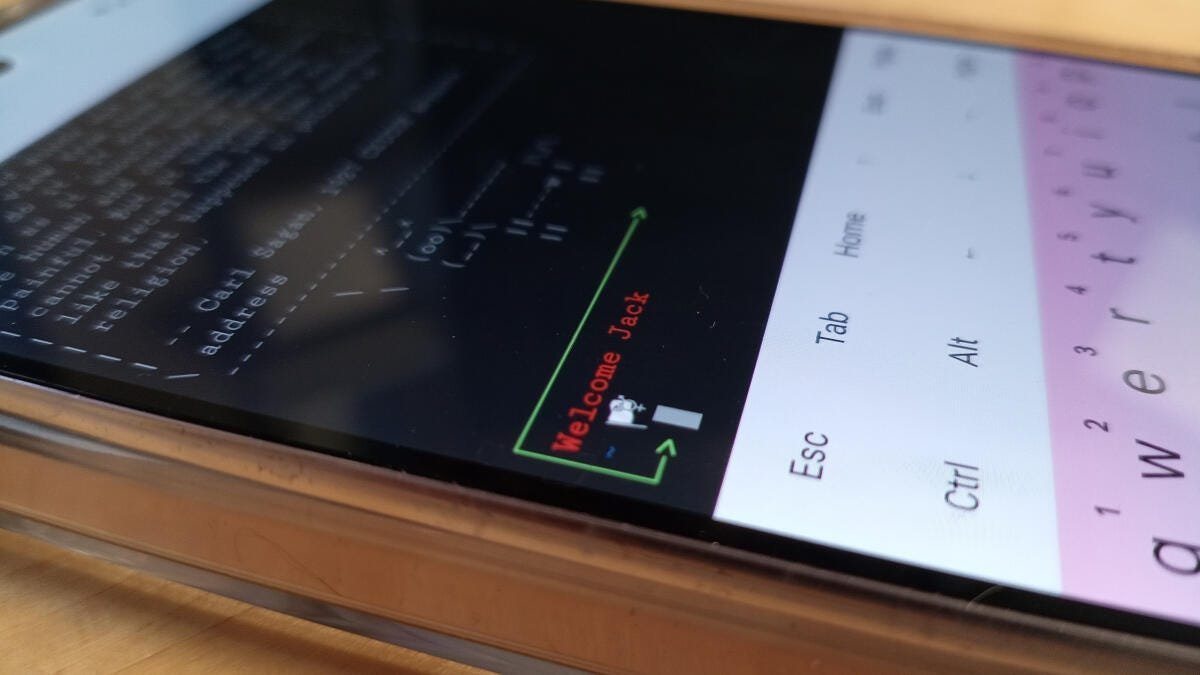
For years, Android developers have relied on emulators and desktop environments to build apps—a workflow tethered to traditional computers. But Google is quietly revolutionizing this process with a new Linux terminal app designed to run a full Debian virtual machine (VM) directly on Android devices. This isn’t just incremental; it’s a paradigm shift toward truly mobile-native development.
The Core Innovation: Virtualization Meets Development
At its heart, the app uses Android’s built-in Virtualization Framework to boot a Debian Linux environment. Unlike Android’s existing sandboxed terminal, this solution offers a comprehensive development stack. Developers gain access to familiar tools for coding, compiling, and testing apps without switching devices. As reported by Android Authority, early Canary builds already support Linux GUI apps like Chromium and LibreOffice when docked to peripherals—hinting at a broader convergence between mobile and desktop experiences.
"This could eliminate the friction of cross-platform toolchains," notes a senior developer at a major tech firm. "Imagine debugging an app on the same device you’re building it on. That immediacy accelerates iteration cycles."
The ARM Elephant in the Room
However, a critical hurdle remains: Android Studio doesn’t support ARM processors—the architecture powering most Android devices. Until Google ports its flagship IDE to ARM, developers can’t leverage the terminal’s full potential for native app builds. While open-source alternatives like VSCode could fill the gap temporarily, Google’s commitment to resolving this will determine the tool’s adoption.
Why This Matters Beyond Developers
- Democratizing Development: Lower-end devices could become viable development machines, reducing barriers for coders in resource-constrained regions.
- Android-ChromeOS Fusion: This move aligns with Google’s long-rumored merger of Android and ChromeOS, creating a unified ecosystem for apps that run seamlessly across phones, tablets, and desktops.
- New Use Cases: Dock a Pixel to a monitor, and suddenly you have a Linux workstation capable of running GIMP or LibreOffice—no laptop needed.
The Roadmap Ahead
No official release date exists, but Pixel devices will likely debut the feature. If Google addresses the ARM limitation, this could herald an era where smartphones aren’t just content consumption tools but legitimate production environments. For developers tired of juggling devices, the future looks refreshingly integrated.
Source: ZDNet
Comments
Please log in or register to join the discussion