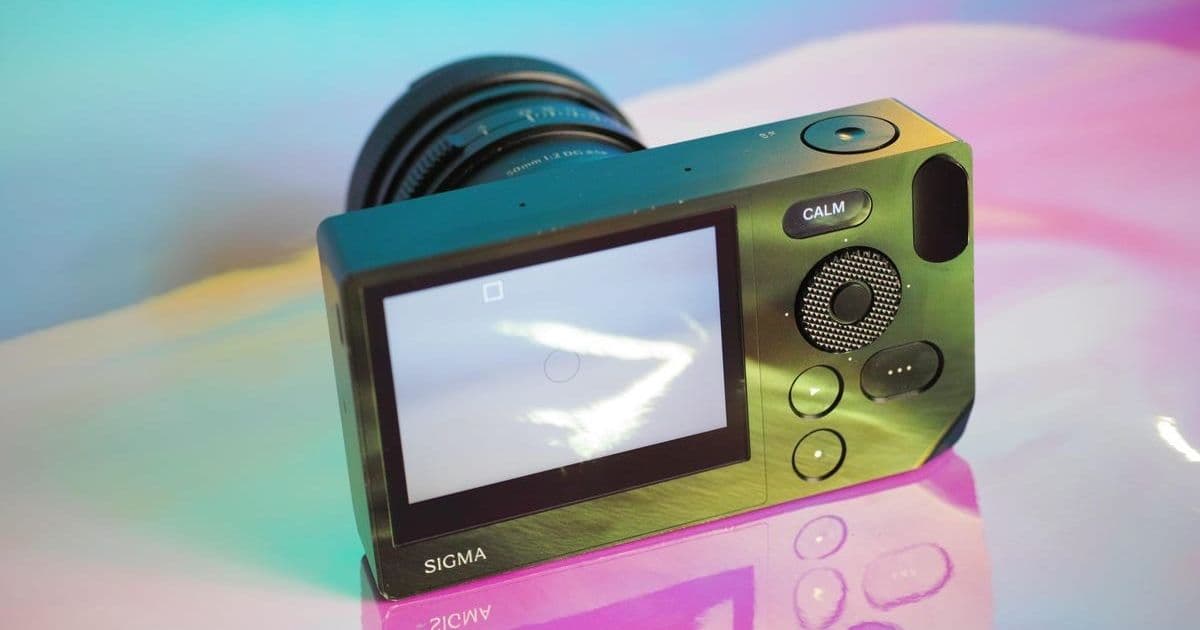
Sigma's BF mirrorless camera replaces traditional button-heavy interfaces with an elegant click-wheel and mini-LCDs, making high-quality photography accessible to novices without sacrificing advanced capabilities. Priced at $2,200, it offers stunning image quality and innovative design, challenging decades-old camera norms.
For over thirty years, digital cameras have clung to a formula of labyrinthine buttons and dials—a language fluently spoken only by seasoned photographers while alienating newcomers. Enter Sigma's BF, a $2,200 full-frame mirrorless camera that dares to reinvent the experience. By stripping away the clutter and introducing an intuitive click-wheel interface paired with discrete mini-LCDs, Sigma isn’t just launching a product; it’s staging a quiet revolution in how we interact with imaging technology. As senior ZDNET contributor Tiernan Ray notes in his hands-on review, this 'beautiful foolishness' merges pro-grade optics with smartphone-like simplicity, targeting a generation eager to elevate their craft beyond iPhone snapshots.
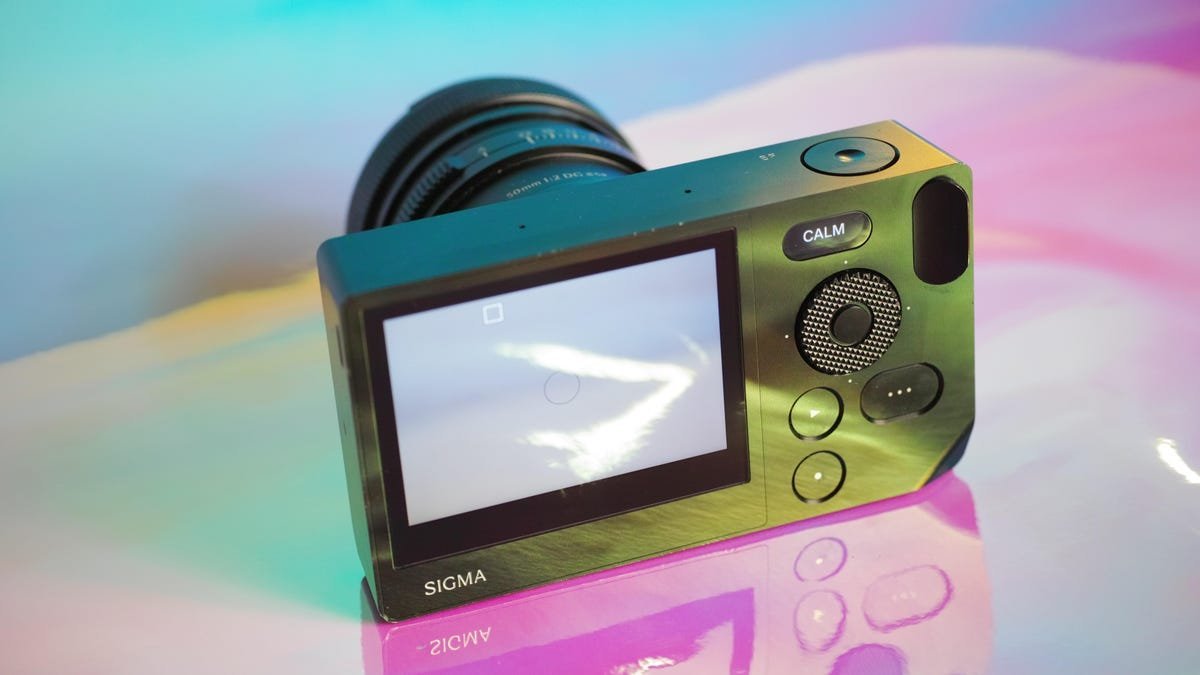 Image: Sigma BF's sleek aluminum body, featuring the innovative click-wheel and mini-LCD interface. Credit: Tiernan Ray/ZDNET.
The Great Unbuttoning: A UI Revolution
At the heart of the BF lies its radical user interface. Gone are the cryptic arrays of physical controls; instead, a single iPod-inspired click-wheel below a status monitor mini-LCD handles shutter speed, ISO, and aperture adjustments. This design declutters the main 2.1-megapixel touchscreen, reserving it purely for composition and review. Ray observed that this separation creates 'a pristine window into the real world,' allowing beginners to experiment with manual settings without overwhelm while giving pros quick access via tactile feedback. The 15-ounce aluminum body—lighter than rivals like Sony’s a7 IV—houses a reliable 25MP full-frame Sony sensor, though Ray suggests a future 60MP variant could attract resolution purists.
Why Real Lenses Still Reign Supreme
Smartphones may dominate casual photography, but Sigma’s BF leverages its L-mount compatibility (supporting lenses from Leica, Panasonic, and others) to deliver irreplaceable optical advantages. Ray’s tests highlighted three critical wins over computational photography:
- Detail Preservation: A cropped shot of a butterfly revealed crisp, lifelike textures impossible on smartphones, even with optical zoom.
- Authentic Bokeh: Natural depth-of-field blur, like the layered foreground/background in a Central Park cypress shot, outperforms software-generated effects.
- Distortion-Free Accuracy: Architectural shots of buildings or bank vaults maintained true proportions, free from smartphone lens warping.
Low-light performance further showcased the BF’s prowess. In near-darkness at New York’s American Museum of Natural History, the camera captured wolves in a diorama at ISO 102,400—revealing intricate details without artificial flash. Jazz club and tango hall videos, though stabilized electronically (reducing 6K to UHD), retained rich color and focus transitions, proving versatile for dynamic environments.
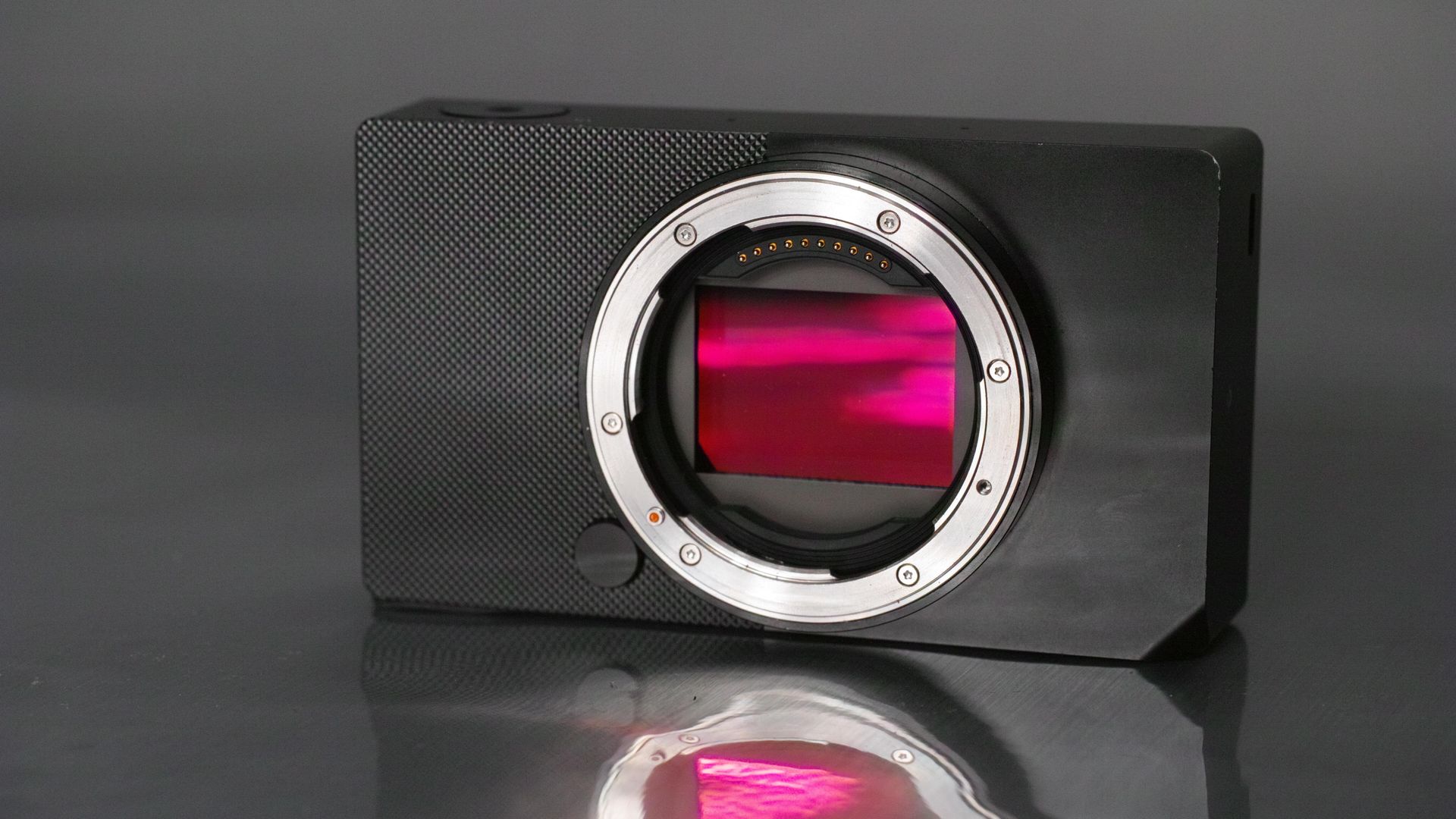 Image: Front view of the Sigma BF, emphasizing its minimalist design. Credit: Tiernan Ray/ZDNET.
The Delicate Balance: Simplicity vs. Control
Sigma’s streamlined approach does involve trade-offs. Functions like auto-exposure lock or fill-light adjustments, once dedicated buttons, now reside in menus—a potential friction point for professionals with muscle memory. Yet Ray argues the BF compensates with thoughtful integrations: 'Look Effect' dials simplify color grading, while touch-focused controls (e.g., tapping to reposition autofocus) feel instinctive to smartphone natives. Battery life impressed, lasting up to six hours with 500+ exposures, and USB-C charging offers quick top-ups from devices like iPads.
The Verdict: Who Is This Camera For?
Traditionalists may grumble about the click-wheel’s learning curve, but the BF excels as a gateway for aspiring photographers. Its sub-$2,500 price (lenses excluded) undercuts many full-frame competitors, and the UI’s elegance encourages experimentation with settings that typically intimidate beginners. As Ray concludes, this isn’t just a camera—it’s a statement against stagnation in an industry ripe for disruption. In bridging the gap between phone convenience and DSLR quality, Sigma challenges us to rethink what photography tools should feel like: less about memorizing buttons, more about capturing vision.
Source: Adapted from Tiernan Ray's review for ZDNET, August 2025.
Comments
Please log in or register to join the discussion