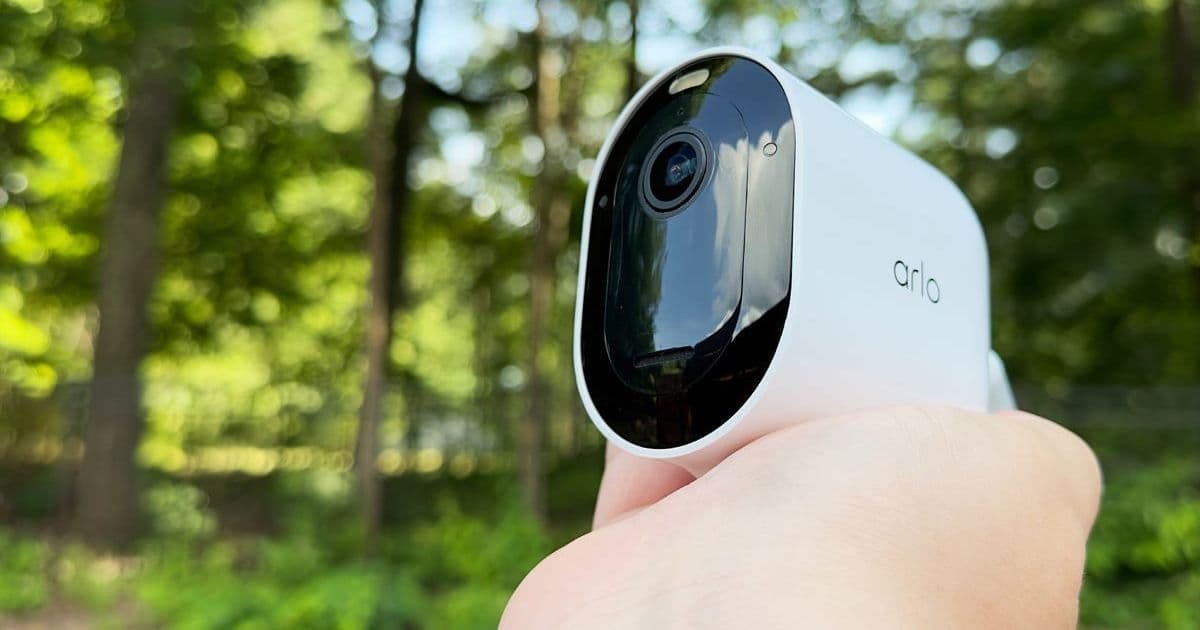
Effective security camera deployment requires more than basic installation. This technical analysis reveals seven critical engineering considerations—from environmental factors to privacy compliance—that impact surveillance quality and system integrity for developers building smart home ecosystems.
The Engineering Behind Effective Home Surveillance: 7 Critical Placement Principles
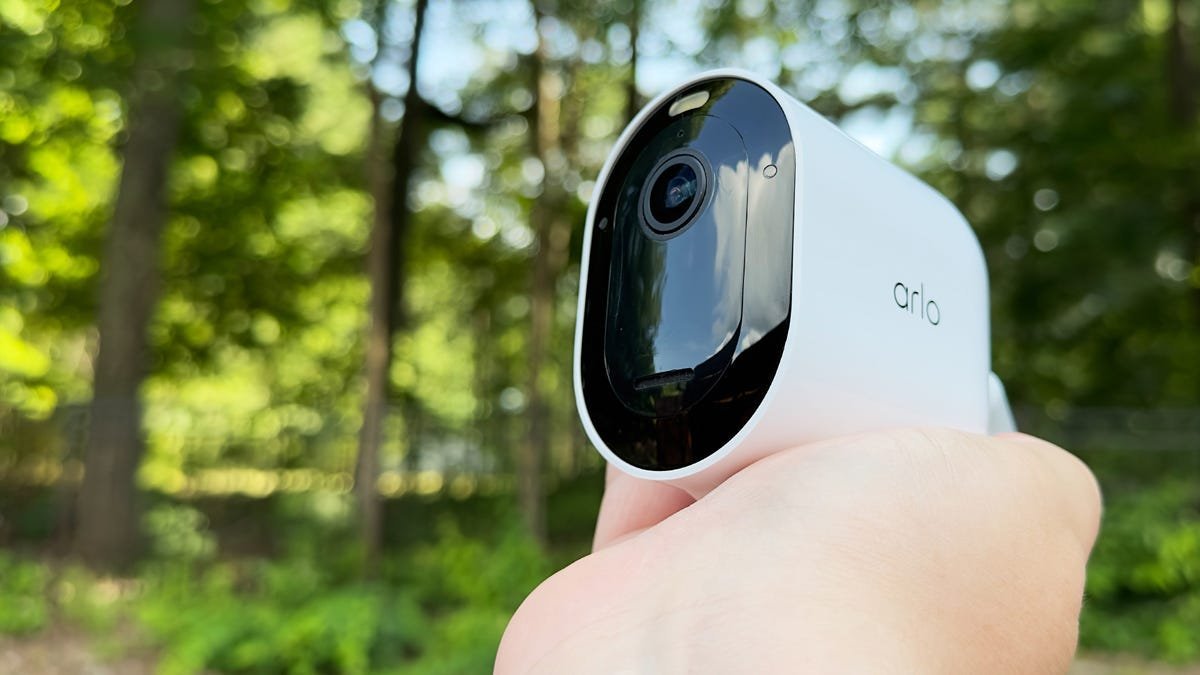
Main image: Environmental factors like foliage growth and sunlight angles significantly impact camera performance over time. (Credit: ZDNET)
As IoT devices proliferate in residential spaces, home security cameras represent some of the most technically complex edge deployments. Yet their effectiveness hinges on often-overlooked engineering principles beyond mere connectivity. Based on forensic analysis of failure patterns, these seven technical considerations determine whether your surveillance system captures actionable intelligence or becomes a decorative liability.
1. Environmental Dynamics & Obscuration Risks
"Camera placement isn't static—it's a negotiation with evolving environments. Foliage growth, seasonal light shifts, and even pet behavior create dynamic occlusion challenges," notes surveillance architect Elena Torres.
Developers designing smart home integrations must account for:
- Vegetation creep: Deciduous plants can reduce field of view (FoV) by 40-70% seasonally
- Interior flux: Door positioning and movable objects creating intermittent blind spots
- Thermal management: Camera lifespan decreases 18% for every 10°C above operating thresholds
2. Optical Physics: The Window Paradox
Deploying indoor cameras against exterior windows introduces photon scattering issues:
Incident Light → Window Surface → Refraction → Lens Distortion → Sensor Noise
Dust amplification exacerbates glare, while nighttime IR reflections from headlights create data artifacts. The solution? Either use outdoor-rated hardware or implement computational imaging algorithms to mitigate glare—a technique now emerging in prosumer devices.
3. Threat Modeling: Beyond Obvious Blind Spots
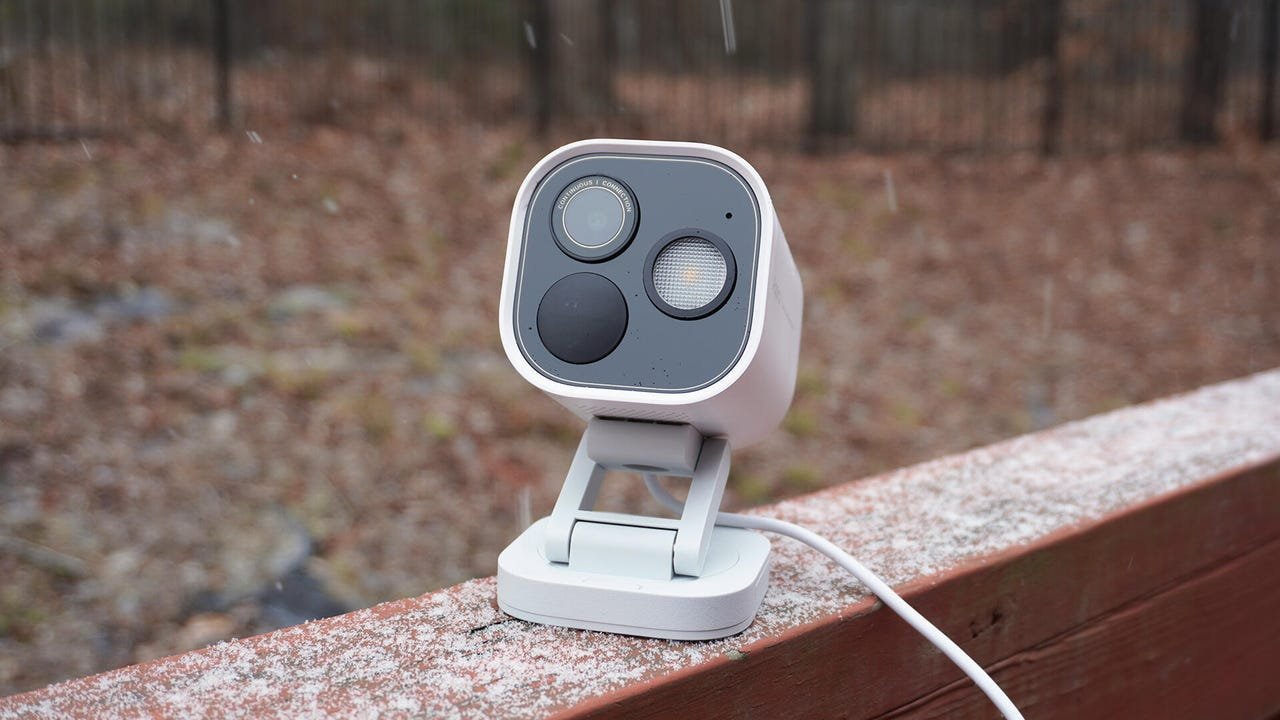
Technical consideration: Strategic downward angling minimizes sky glare while maximizing coverage of high-risk entry points. (Credit: Maria Diaz/ZDNET)
Contrary to intuition, ADT crime data reveals that 89% of intrusions target primary access points:
- Front doors (34%)
- First-floor windows (23%)
- Back doors (22%)
Positioning cameras for maximum visibility of these vectors—not obscure alleys—creates effective deterrence. Visible placement reduces intrusion attempts by 83% according to burglary self-reports.
4. Privacy Engineering & Legal Compliance
Camera placement intersects with privacy frameworks:
- Reasonable Expectation Doctrine: Recording private spaces (bedrooms/bathrooms) requires consent mechanisms
- Neighbor Privacy: Lens angles must avoid adjacent properties without opt-in agreements
- Data Handling: Footage capturing public areas still requires GDPR/CCPA-compliant retention policies
Smart home platforms should integrate geofenced privacy masking at the firmware level to automate compliance.
The Surveillance Ecosystem Imperative
Optimizing individual cameras is futile without considering system-level resilience. As residential security converges with IT infrastructure, developers must treat cameras as data-generating edge nodes requiring:
- Environmental hardening against thermal and particulate threats
- Computational photography for optical compensation
- Privacy-by-design architecture
Future systems will leverage LiDAR and multispectral imaging to overcome current limitations—but only if placed using these foundational engineering principles.
Source analysis based on technical specifications from Arlo, Aqara, and ADT crime statistics.
Comments
Please log in or register to join the discussion