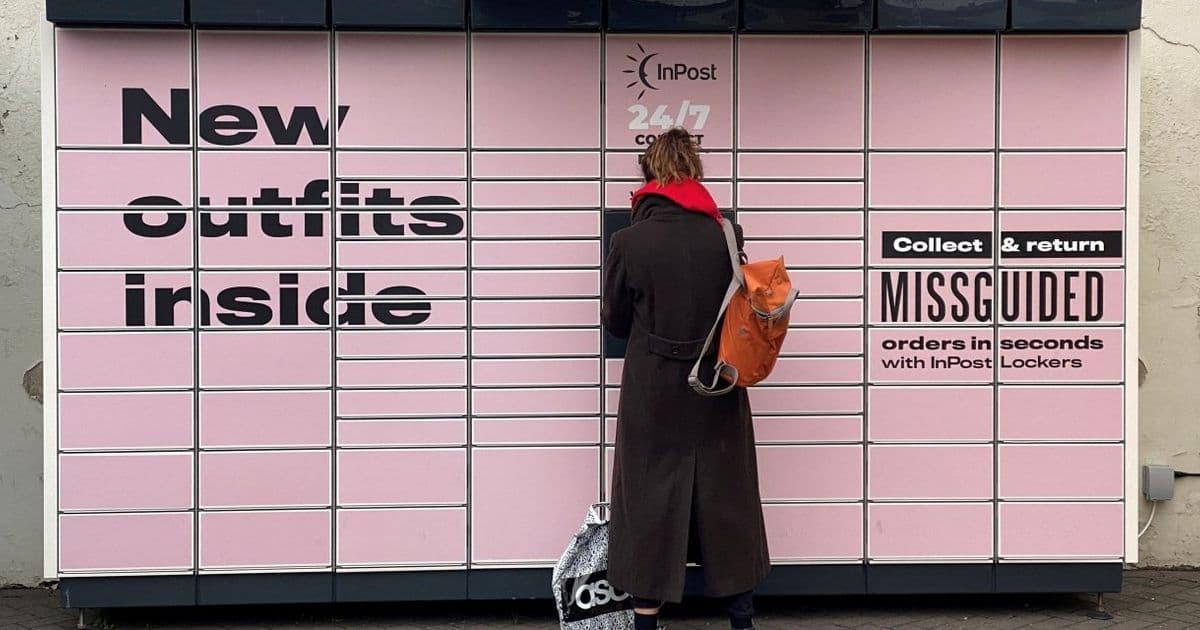
A consortium including Advent International, FedEx, A&R, and PPF acquires Poland's InPost for €7.8 billion, signaling confidence in automated parcel lockers despite intensifying competition and emerging delivery technologies.
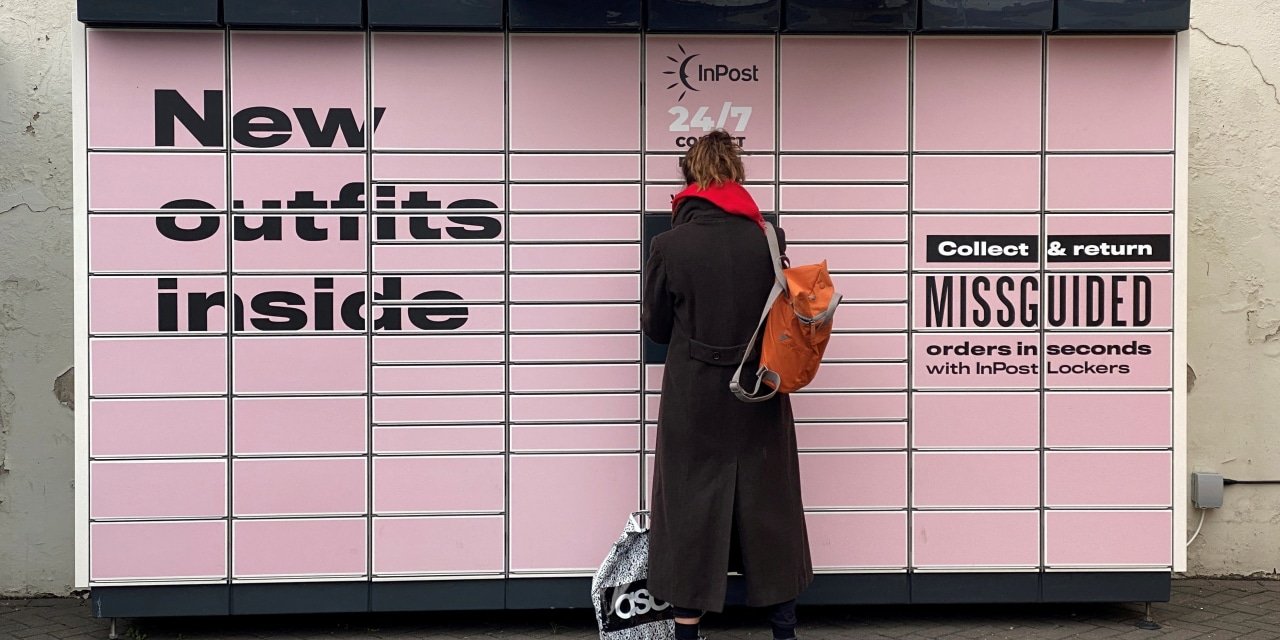
The €7.8 billion acquisition of Polish automated parcel delivery leader InPost by private equity firm Advent International, logistics giant FedEx, and investment groups A&R and PPF represents one of Europe's largest logistics deals in recent years. At first glance, this validates the growing reliance on automated parcel lockers—InPost operates 61,000 units across Europe—as e-commerce continues its relentless expansion. Yet beneath the headline valuation lies a complex web of strategic gambles, market saturation concerns, and technological disruption that warrants scrutiny.
InPost's model centers on 24/7 self-service parcel lockers positioned in high-traffic urban locations, reducing last-mile delivery costs by eliminating doorstep failures and optimizing courier routes. With locker usage growing 30% annually in key markets like Poland and the UK, the consortium sees "a clear path to significantly grow InPost's network and extend its reach across Europe," particularly into underpenetrated regions like Southern Europe. FedEx's involvement suggests strategic alignment with its B2B logistics network, potentially integrating locker access for business deliveries.
This acquisition arrives amid broader industry shifts toward automation. Amazon's Hub Lockers, DHL's Packstations, and national postal services deploying similar infrastructure signal consensus on locker efficiency. Operational data supports this: lockers reduce delivery attempts by up to 60% and cut carbon emissions by optimizing delivery density. For developers and logistics engineers, InPost's API-driven platform (documented here) offers insights into scalable automation architectures handling millions of monthly transactions.
However, skepticism persists about the long-term dominance of static lockers. Three counter-perspectives merit attention:
- Market saturation risks: With over 200,000 lockers already deployed across Europe, analysts question whether adding capacity aligns with usage patterns. Urban centers show adoption plateaus, while rural expansion faces cost barriers.
- Tech disruption: Drone delivery trials (like Amazon Prime Air) and sidewalk robots (Starship, FedEx SameDay Bot) promise dynamic alternatives. A logistics engineer at a competing firm noted: "Lockers solve yesterday's problem. Next-gen AI routing makes doorstep delivery more efficient than diverting to fixed points."
- Consumer behavior shifts: Younger demographics increasingly favor ultra-fast (under 2-hour) delivery, where lockers add friction. As one retail tech lead observed: "When you can get groceries delivered before you finish a Zoom call, walking to a locker feels archaic."
The valuation—nearly 12x InPost's 2025 revenue—also raises eyebrows. While automated logistics stocks trade at premium multiples, this pricing assumes uninterrupted growth despite regulatory headwinds. The EU's Digital Services Act imposes stricter data governance on locker networks, and Poland's antitrust regulator may scrutinize the deal's market concentration.
For the tech community, this acquisition underscores automation's role in scalable logistics but also highlights its limitations. As delivery paradigms evolve toward dynamic systems, InPost's success may hinge on diversifying beyond lockers—perhaps through FedEx-backed micro-fulfillment hubs or AI-enhanced predictive stocking. The €7.8 billion bet isn't just on today's lockers, but on adapting them to a future where speed and flexibility reign supreme.
Comments
Please log in or register to join the discussion