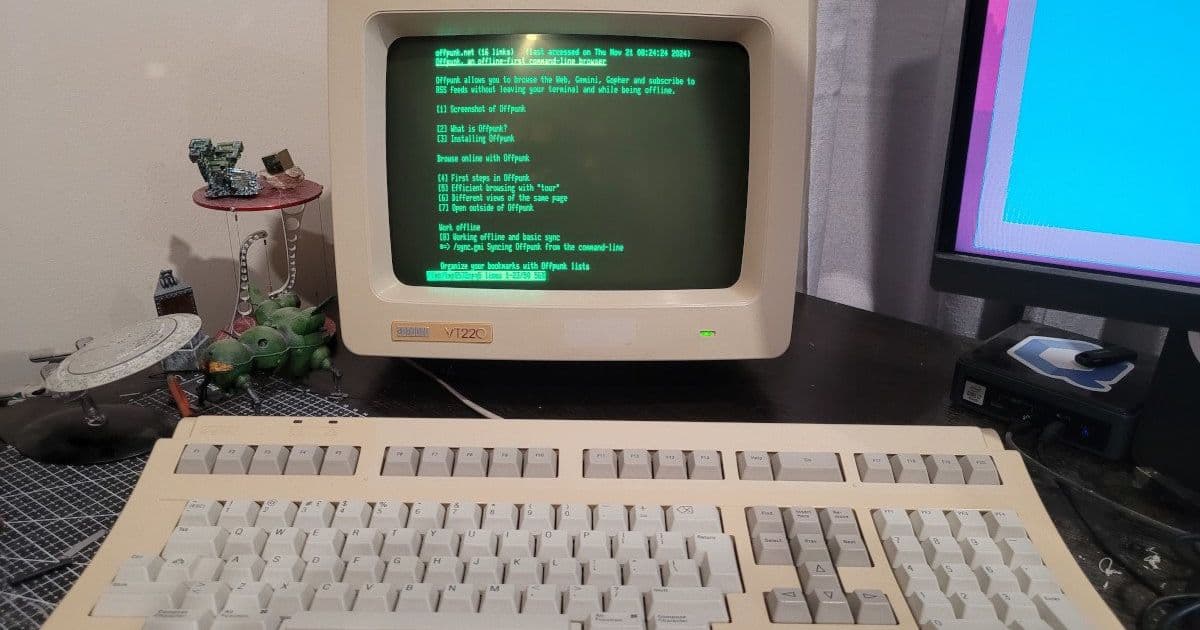
The release of Offpunk 3.0 marks a pivotal evolution from solo project to community-driven tool, enhancing offline browsing with collaborative features, social functionality, and improved content parsing.
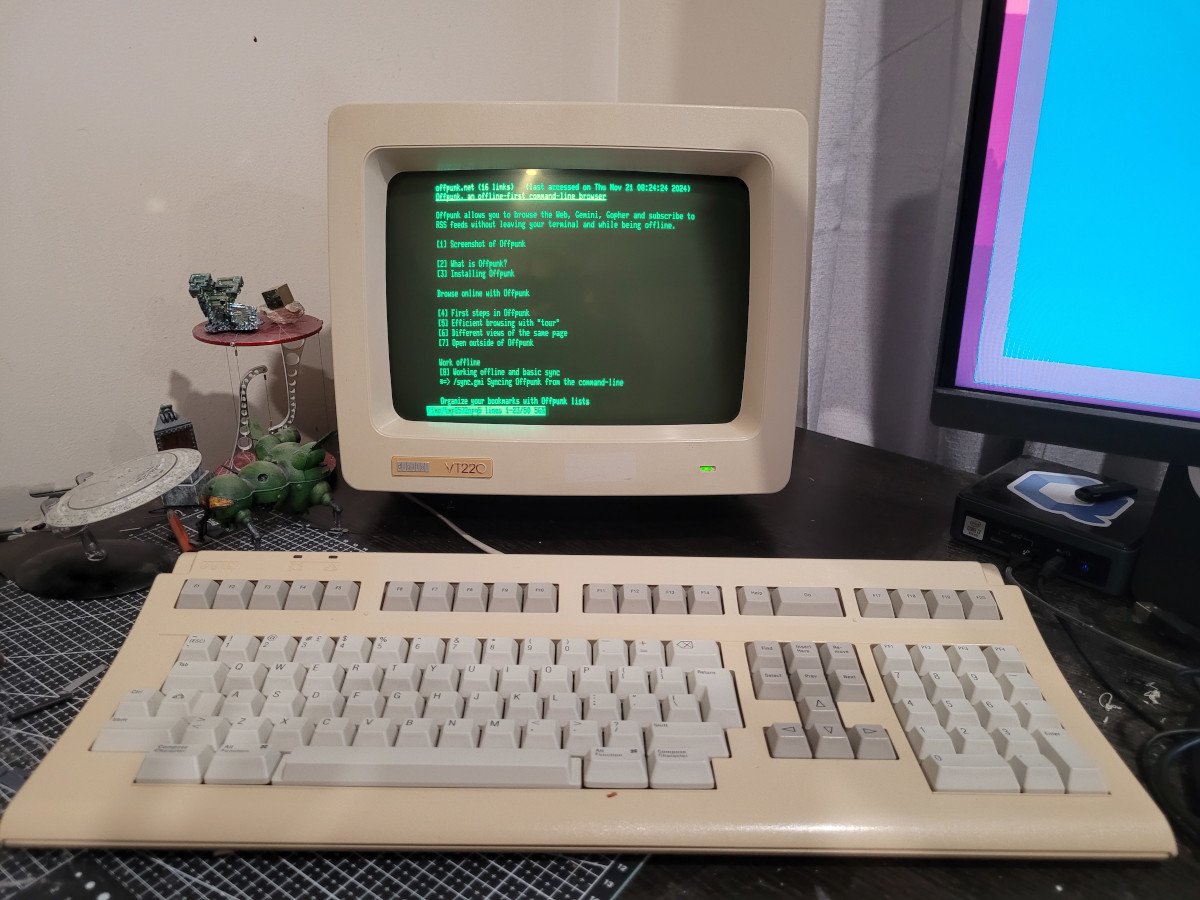
For four years, Ploum nurtured Offpunk as a personal project—a command-line browser for Web, Gemini, and Gopher designed for offline use. With version 3.0, released in February 2026, something fundamental shifted: Offpunk ceased being a solitary endeavor and transformed into a community-driven initiative. This transition represents more than technical upgrades; it signals how collaborative development can reshape tools for digital autonomy.
The most profound change lies in Offpunk's development process. As Ploum acknowledges, this release includes substantial contributions from others—Vincent Jousse's unmerdify library, JMCS's translation infrastructure, and community packaging efforts—without his direct line-by-line review. This delegation of responsibility signifies trust and collective ownership. The emergence of recurring contributors and discussions on the mailing list suggests an organic community forming around principles of offline accessibility and minimalism.
Technically, Offpunk 3.0 introduces eleven significant enhancements:
Localization Framework: Offpunk now supports translations (Catalan, Galician, Dutch), broadening accessibility. Contributors can use the translation guide to add new languages.
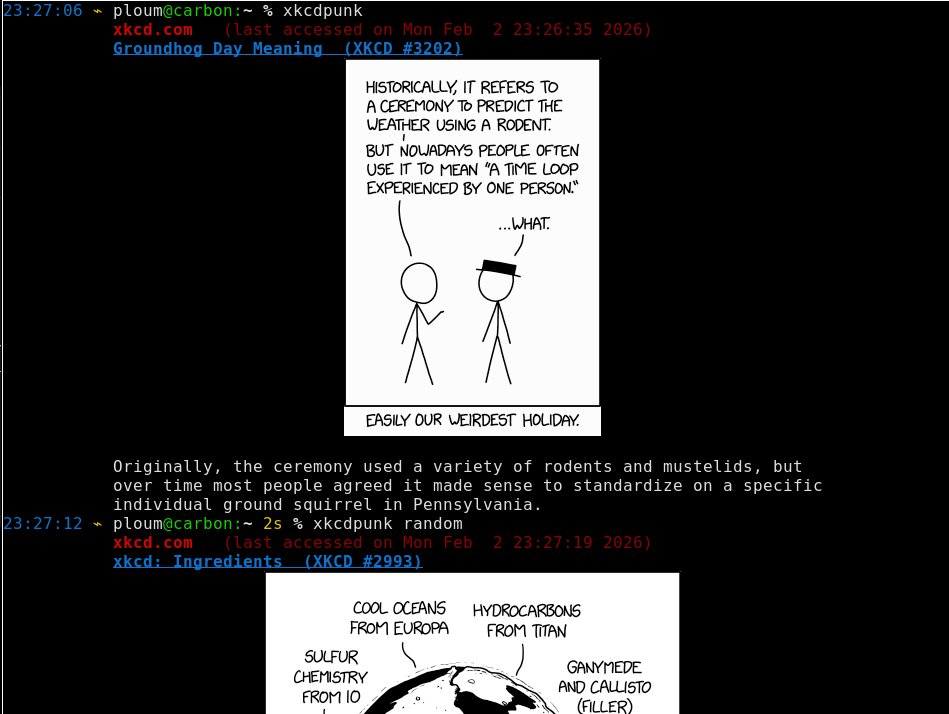
Tool Ecosystem Expansion: The standalone
opnkutility becomesopenk, clarifying its purpose as a terminal-first file opener. Newly introducedxkcdpunkdisplays Randall Munroe's iconic comics directly in terminals:
Intelligent Content Extraction: Integration with Vincent Jousse's unmerdify leverages the FiveFilters ftr-site-config rules to strip web articles of clutter. This community-maintained repository allows users to contribute extraction patterns for frequently visited sites. Without matching rules, Offpunk defaults to Mozilla's Readability algorithm.
Social Interaction Layers:
shareemails page URLs, whilereplyfacilitates direct communication with authors—storing email associations per domain. These features embed lightweight social functionality within a primarily consumptive tool.Authenticated Browsing: Though Offpunk lacks native login support, importing cookies via
cookies import mycookie.txt https://domain.net/enables access to subscription sites like LWN.net, bridging a critical gap for paid content consumers.Enhanced Gemini Experience: Images in Gemini capsules display by default at larger sizes. This adjustment acknowledges Gemini's growing role as a text-centric alternative to the modern web:
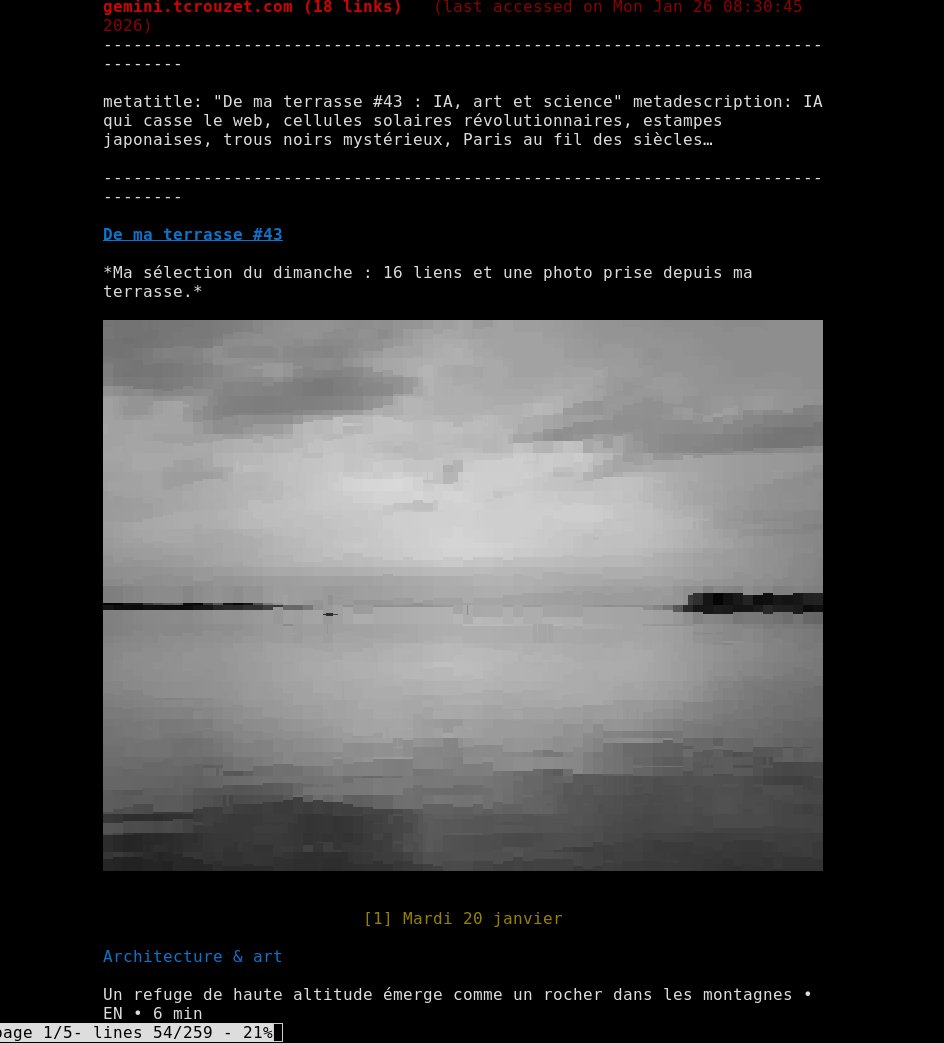
Users can revert with set images_size 40 and set gemini_images false.
Feed Discovery: Automatic display of hidden RSS/Atom links simplifies finding new content sources, reducing reliance on the dedicated
feedcommand.Visibility into Restrictions: Blocked domains now appear in red, providing immediate feedback on content limitations:
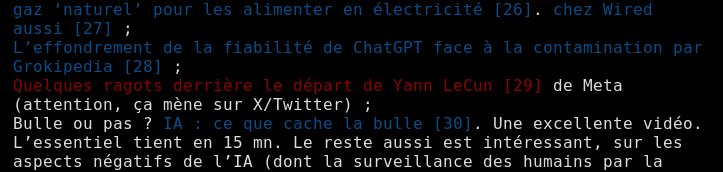
Theme Customization: Preset themes (
offpunk1,cyan,yellow,bw) offer visual personalization, inviting user-contributed schemes.Infrastructure Refinements: Redirects operate at the netcache layer, preventing inadvertent requests to blocked URLs. Commands like
rootandlinkssee behavioral improvements, whilewebsearchdefaults to the indie-friendly wiby.me.
Beyond features, Offpunk 3.0 embodies a philosophy contrasting mainstream browsing: it prioritizes intentionality over immediacy. By requiring manual cookie imports or feed management, it forces deliberate engagement. The offline-first approach rejects assumptions of perpetual connectivity—valuable in low-bandwidth environments or under censorship.
Critically, command-line browsers remain niche. Yet Offpunk's evolution addresses core limitations: better image handling mitigates terminal constraints; social features acknowledge that content consumption often sparks dialogue; cookie support recognizes that some valuable resources live behind authentication. These adjustments make Offpunk pragmatically usable rather than dogmatically pure.
The community aspect proves equally vital. Translation infrastructure invites linguistic diversity; theme presets encourage aesthetic participation; bug reporting (bugreport) and help requests (help help) are seamlessly integrated. This lowers barriers to contribution, transforming users into co-developers.
Offpunk 3.0 demonstrates how open-source tools mature when individual vision converges with collective effort. It remains a specialized instrument—Ploum admits "it's probably not for everyone"—but for those seeking agency over their digital interactions, it offers a compelling alternative. As the community grows, Offpunk could become a blueprint for sustainable, user-centric software resisting the centralization defining contemporary online experiences.
Comments
Please log in or register to join the discussion