
A developer explores the unexpected synergy between retro graphing calculators and modern interactive fiction tools, creating a transpiler that bridges Twine's narrative capabilities with Casio BASIC's simplicity.
The humble graphing calculator—that pocket-sized computational companion powered by AA batteries—has long been a playground for creative programmers. When developer Adam Ledoux stumbled upon an old Casio graphing calculator at Goodwill, it sparked an unexpected journey into the intersection of retro computing and modern interactive storytelling.
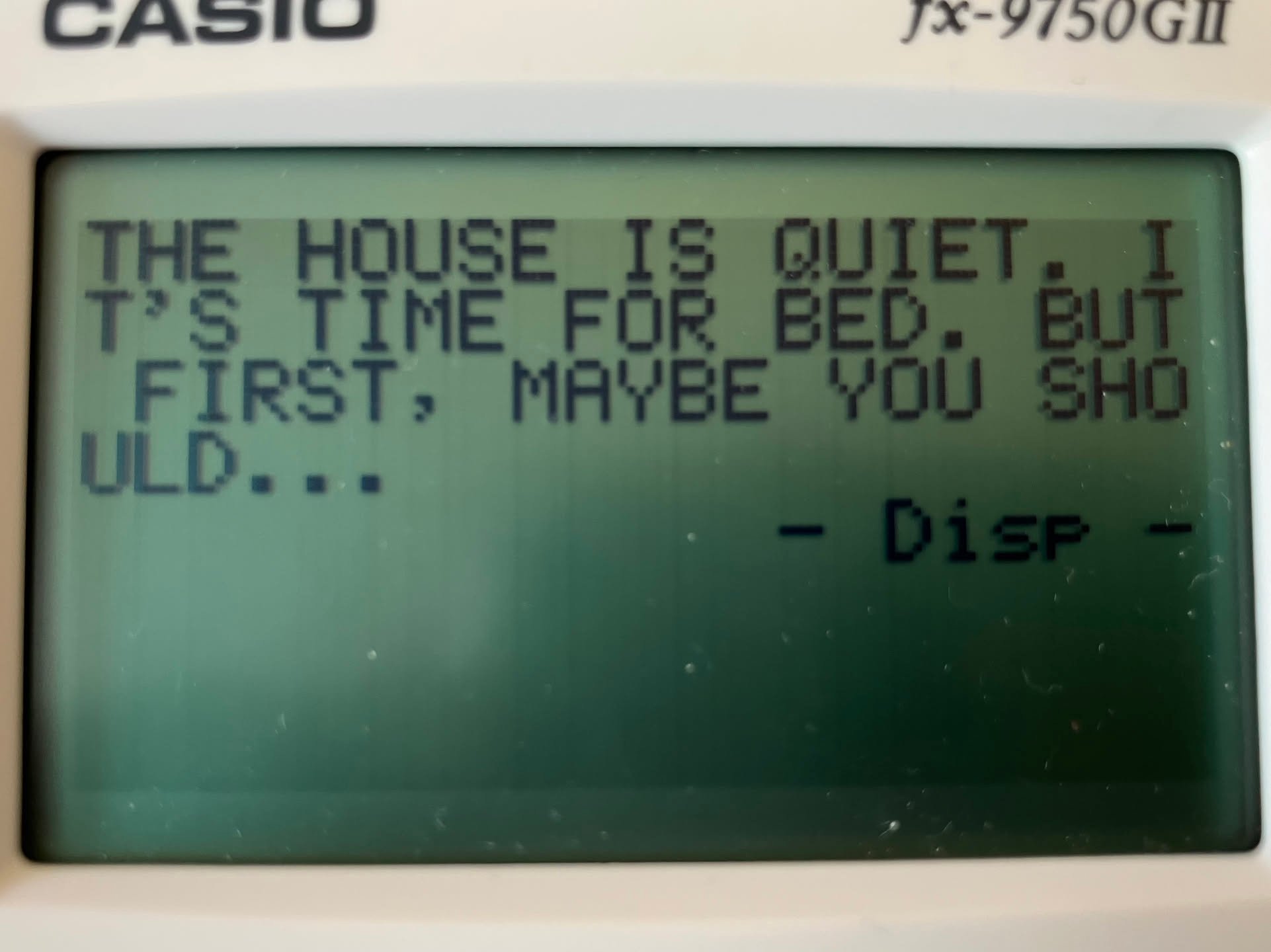
At first glance, Casio BASIC and Twine-style interactive fiction seem worlds apart. One is a minimalist programming language designed for mathematical computation, the other a sophisticated narrative tool for creating branching stories. Yet Ledoux discovered that Casio BASIC's core features—particularly its GOTO-based branching and simple text I/O capabilities—actually map remarkably well to Twine's hypertext narrative structure.
The result is tweeul8r, a transpiler that converts Twine's Twee source format into executable Casio BASIC code. This clever tool demonstrates how constraints can breed creativity. By working within the limitations of a calculator's memory and processing power, developers are forced to strip interactive fiction down to its essential elements: choice, consequence, and narrative flow.
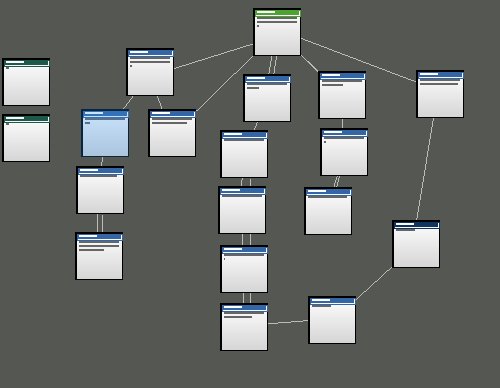
The technical achievement here is noteworthy. Transpiling from one language to another always involves trade-offs, and tweeul8r is no exception. The tool imposes practical constraints—small maximum story sizes and the absence of macros—that reflect the realities of calculator hardware. Yet these limitations aren't bugs; they're features that shape a distinct creative space. Writers working with tweeul8r must think differently about their stories, crafting narratives that work within the tight confines of calculator memory while still delivering meaningful player agency.
What makes this project particularly fascinating is how it bridges two eras of computing culture. Twine emerged from the hypertext fiction tradition of the 1990s, itself inspired by earlier experimental literature. Casio calculators represent an even earlier computing paradigm, one where users learned to program not through formal education but through exploration and experimentation. By combining these worlds, tweeul8r creates something genuinely novel: interactive fiction that can be written on a modern computer but experienced on a device that feels like it belongs in a different century.
The practical implications extend beyond mere novelty. For educators, tweeul8r offers a way to introduce students to both programming concepts and narrative design using hardware they might already have access to. For interactive fiction enthusiasts, it provides a new constraint to work within, potentially inspiring creative solutions to storytelling problems. And for the broader tech community, it serves as a reminder that innovation doesn't always mean building something entirely new—sometimes it means finding unexpected connections between existing tools.
Ledoux's project also raises interesting questions about the nature of programming languages and their affordances. GOTO statements, long considered harmful in structured programming circles, prove perfectly suited for implementing Twine's choice-based narrative flow. This suggests that our judgments about programming constructs might be too absolute—what's harmful in one context can be exactly what's needed in another.
The release of tweeul8r comes with a working example: a short interactive fiction piece available on itch.io that demonstrates the tool's capabilities. Players can experience the game through an emulator in their browser or, for the truly dedicated, load it onto actual Casio calculator hardware via USB. This dual availability—digital and physical—speaks to the project's commitment to accessibility while honoring the authentic calculator experience.
For those inspired to create their own calculator-based interactive fiction, tweeul8r provides an accessible entry point. The tool lowers the barrier to entry for both programming and interactive fiction creation, potentially opening up these fields to audiences who might find traditional development environments intimidating. There's something democratizing about being able to create and share interactive stories using hardware that's been available for decades.
As computing continues to evolve toward increasingly complex and abstracted systems, projects like tweeul8r remind us of the enduring appeal of simple, tangible computing experiences. There's a certain magic in holding a story in your hands, navigating it through buttons rather than touchscreens, knowing that every choice is the result of code executing on a processor that would be considered primitive by today's standards.
The Casio calculator may never replace dedicated gaming platforms or sophisticated narrative tools, but that's not the point. tweeul8r demonstrates that even the most constrained computing environments can be sites of creative expression. In an age where we often equate technological progress with increased complexity, this project shows that sometimes the most interesting innovations come from working within limitations rather than trying to overcome them.
For developers looking to experiment with tweeul8r, the tool represents an opportunity to explore interactive fiction design through a unique lens. The constraints imposed by calculator hardware force creators to focus on what truly matters in interactive storytelling: meaningful choices, clear narrative progression, and engaging player experiences. These are lessons that apply regardless of the platform, making tweeul8r not just a novelty but a valuable tool for understanding the fundamentals of interactive design.
As Ledoux invites others to try the tool and share their creations, the project takes on a collaborative dimension. Each new story created with tweeul8r adds to a growing body of work that reimagines what's possible with limited computing resources. It's a testament to the enduring creativity of the programming community and the unexpected ways that old technology can find new life through innovative thinking.
The next time you encounter an old graphing calculator gathering dust in a drawer, consider its potential. With tools like tweeul8r, that humble device becomes not just a calculator but a portal to interactive worlds, a reminder that powerful storytelling doesn't require cutting-edge hardware—just creativity, constraint, and the willingness to see familiar tools in new ways.
Comments
Please log in or register to join the discussion