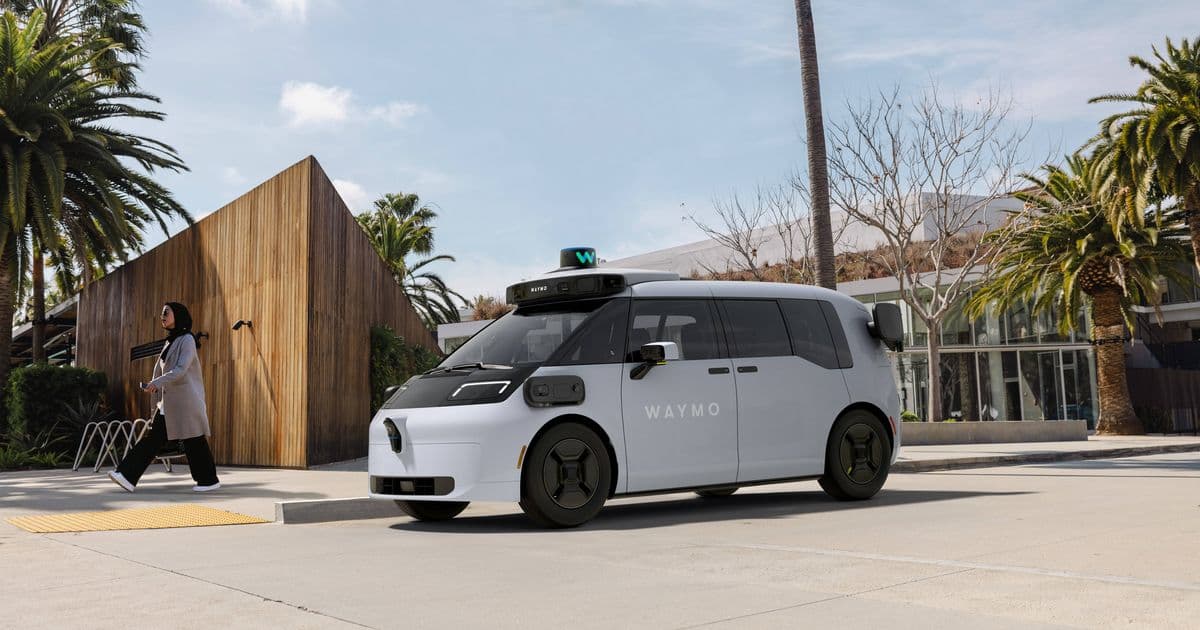
Waymo unveils its sixth-generation autonomous driving system with improved weather resilience, launching first on a Chinese-made Zeekr minivan while facing intense scrutiny from US lawmakers over national security concerns.
Waymo is launching its sixth-generation autonomous driving system, promising significant improvements in weather resilience and sensor performance, but the rollout has been overshadowed by political controversy over the company's partnership with Chinese automaker Zeekr.
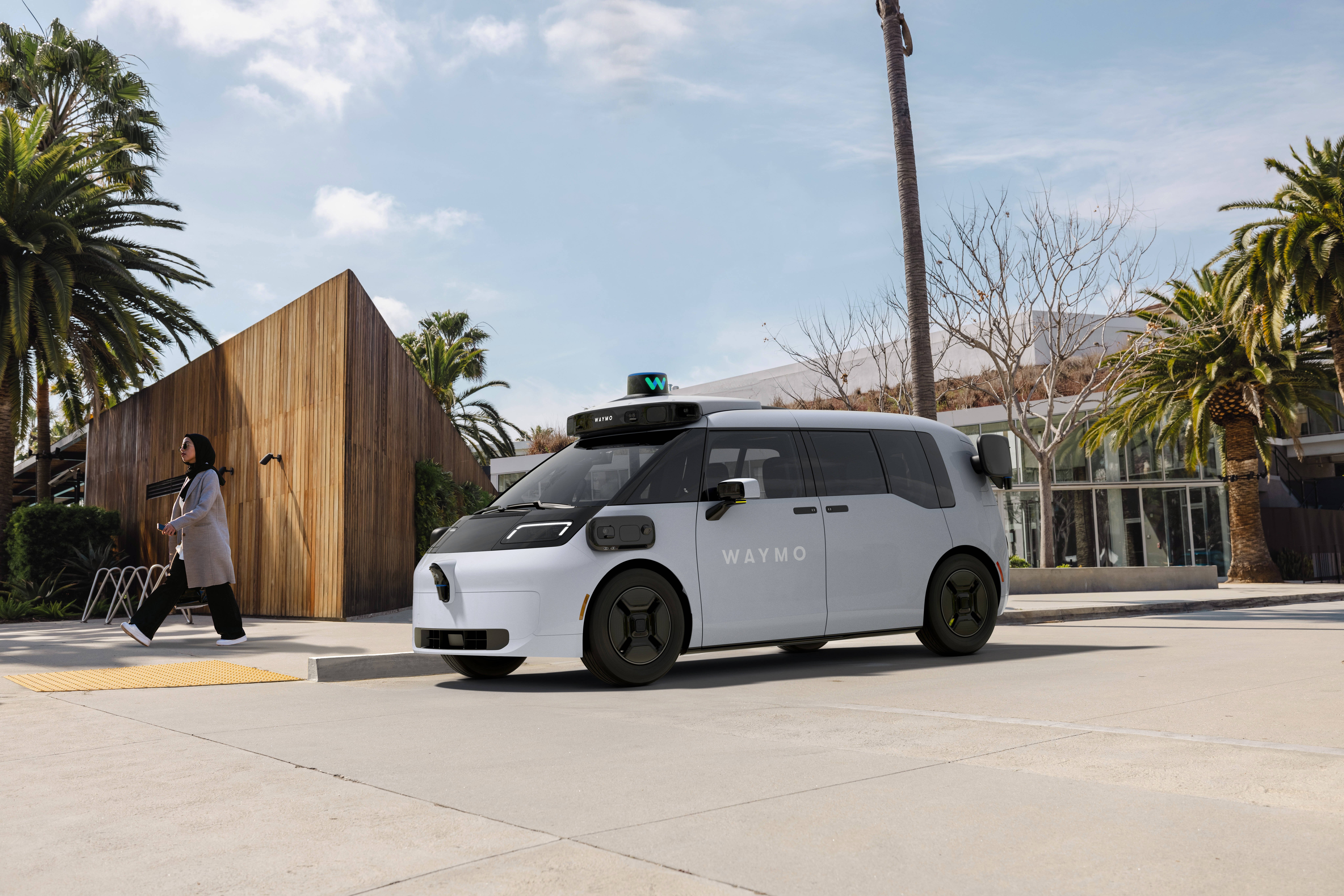
The Google-backed autonomous vehicle company unveiled its latest Driver system, which it claims can handle extreme weather conditions that have plagued previous generations. The new system uses the same three-part camera/radar/lidar vision architecture but with substantial upgrades that allow it to do "significantly more with less," according to Waymo engineering VP Satish Jeyachandran.
Weather-Proofing After Past Failures
The timing of this announcement is particularly notable given Waymo's history with weather-related incidents. San Francisco residents still remember the infamous "fog fiasco" when dense fog left Waymo's self-driving cars unable to navigate, causing traffic jams throughout the city. The company hopes its new 17-megapixel in-house developed imager and improved lidar system will prevent similar incidents.
The upgrades include better low-light sensitivity, higher resolution, and increased dynamic range across all sensors. The lidar system has been enhanced to better penetrate adverse weather conditions and avoid distortion from highly reflective surfaces like road signs. Waymo has also managed to reduce the number of cameras by more than half compared to the fifth-generation system while improving overall performance.
Chinese Partnership Draws Congressional Fire
The first vehicle to feature the sixth-gen Driver is the electric minivan-style Ojai, developed in partnership with Zeekr, a subsidiary of Chinese conglomerate Geely Group. This partnership has become a lightning rod for criticism from US lawmakers who view it as a potential national security risk.
During a recent congressional hearing, Senator Bernie Moreno (R-OH) accused Waymo of "getting in bed with China" while simultaneously claiming the US was in a technological race with the Middle Kingdom. The criticism centers on concerns that Waymo might be circumventing US bans on connected vehicle technology from China and Russia.
Waymo chief safety officer Mauricio Peña pushed back against these claims, stating that the Zeekr vehicles used by Waymo don't contain any connected technology and are only outfitted with Waymo's own autonomous driver systems. The company emphasized that Zeekr receives no access to its autonomous driving technology or rider information as part of the deal.
AI and Machine Learning at the Core
The sixth-generation system incorporates significant machine learning improvements. "This 6th-generation system maximizes the benefit of sensor fusion by leveraging lightweight, powerful machine-learned models to extract maximum information from each sensor and dynamically optimize the performance of every sensing component," Jeyachandran explained.
The new radar system includes improved algorithms alongside better hardware, specifically designed to perform better in rain and snow conditions. The company noted that the cost of lidar and radar systems has decreased considerably over the past five years while their range and sensitivity have improved, leading to lower overall costs and better performance.
Human Oversight Remains Necessary
Despite the technological advances, Waymo was forced to admit during the congressional hearing that its autonomous vehicles still require occasional human assistance, similar to failed competitor Cruise. This admission drew criticism from Senator Ed Markey (D-MA), who expressed concerns about Waymo's vehicle assistance workers being located in the Philippines, calling it a safety and cybersecurity risk.
Limited Initial Rollout
Currently, the sixth-gen Driver system and the Ojai minivan are only available to chauffeur Waymo employees. The company has not provided a specific date for public availability, only stating that it would be "sometime later this year."
Waymo also confirmed that sixth-gen Driver systems are being attached to Hyundai Ioniq 5 vehicles in the initial rollout batch, but the company has no plans to retrofit its existing fifth-generation fleet.
The controversy surrounding Waymo's Chinese partnership highlights the growing tension between technological advancement and national security concerns in the autonomous vehicle industry. As companies push for innovation and cost-effective manufacturing solutions, they increasingly find themselves navigating complex geopolitical waters that could impact their ability to deploy new technologies in the US market.
For now, Waymo's sixth-generation system represents a significant technical leap forward in autonomous driving capabilities, particularly in challenging weather conditions. However, the political firestorm surrounding its Chinese manufacturing partnership may prove to be an equally significant challenge as the company works to bring its improved technology to the public.
Comments
Please log in or register to join the discussion