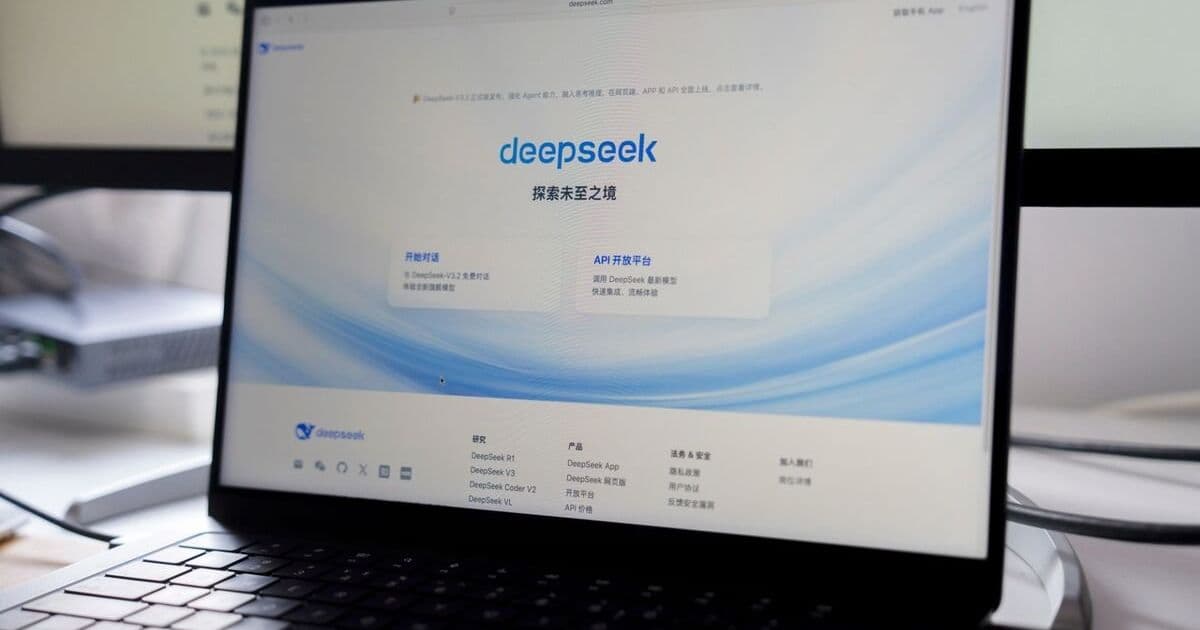
OpenAI has formally accused Chinese AI firm DeepSeek of using distillation techniques to replicate its models for the R1 system, escalating tensions in US-China AI competition.
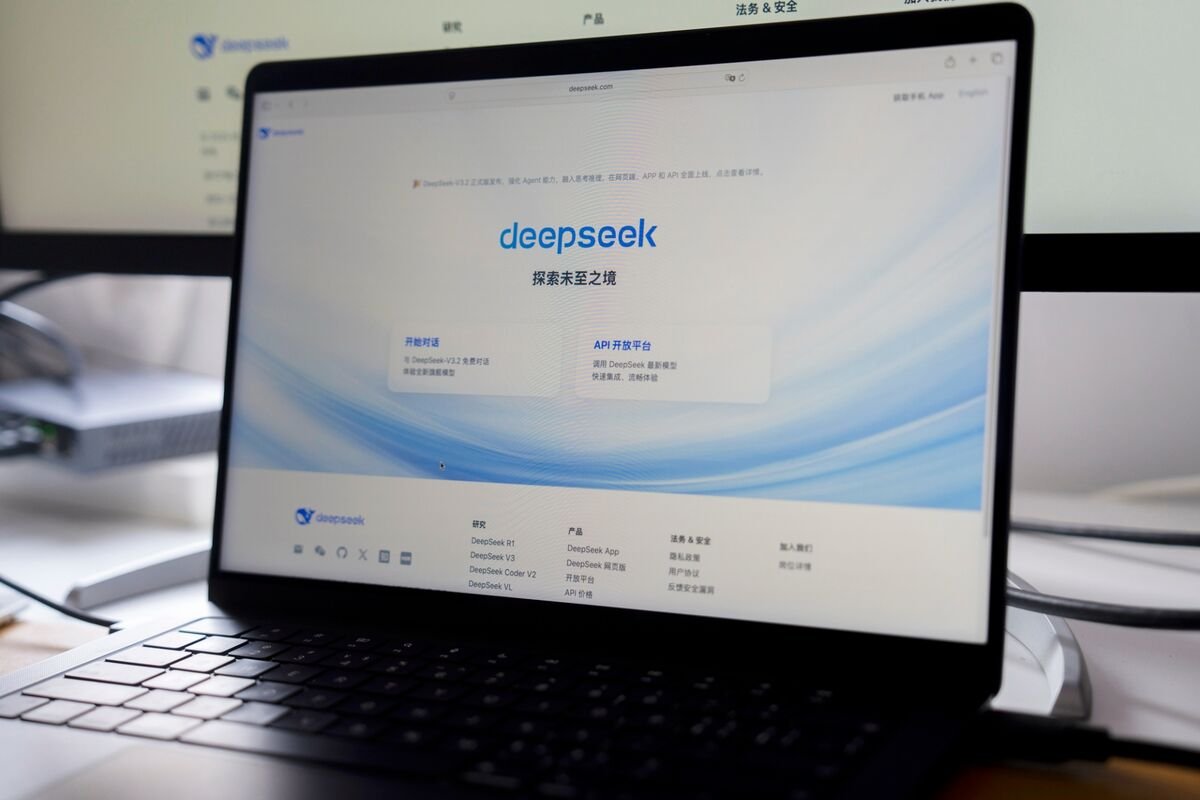
In a formal memo to US lawmakers obtained by Bloomberg, OpenAI has leveled serious accusations against Chinese AI company DeepSeek, claiming the firm employs model distillation techniques to "free-ride" on US-developed AI systems. The allegations specifically target DeepSeek's development of its next-generation R1 model architecture.
What OpenAI Claims
OpenAI asserts that DeepSeek uses sophisticated distillation methods—training smaller student models to mimic the behavior of larger teacher models—to replicate capabilities found in OpenAI's systems without equivalent R&D investment. The memo characterizes this as exploiting US innovations while avoiding the substantial computational costs and research effort required for original model development.
Distillation itself isn't inherently problematic; it's a well-established technique where smaller models learn from larger ones' outputs. However, OpenAI contends DeepSeek's implementation crosses ethical boundaries by systematically targeting proprietary US models. The term "free-riding" suggests DeepSeek benefits from US research investments while contributing minimally to foundational advancements.
Technical Context
Model distillation typically involves:
- Running inputs through a large teacher model
- Training a smaller student model on both original labels and the teacher's softened outputs
- Compressing knowledge into a more efficient architecture
When applied ethically, this enables practical deployment of capabilities (like OpenAI's own GPT-3.5 Turbo) without requiring end-users to run massive models. The controversy arises when companies use competitors' proprietary models as teachers without permission.
Geopolitical Implications
The accusation surfaces amid heightened US-China AI tensions:
- Recent US restrictions on AI chip exports to China
- Ongoing congressional debates about AI model exports
- China's aggressive domestic AI development goals
DeepSeek, while less globally prominent than OpenAI, has made notable strides with open-source releases like DeepSeek-Coder and specialized scientific models. OpenAI's memo frames this progress as fundamentally derivative.
Limitations and Complexities
Proving "free-riding" remains challenging:
- Attribution Difficulty: Distillation produces functionally similar but architecturally distinct models. Without access to training logs, tracing lineage is speculative.
- Gray Areas: Many AI labs train on outputs from various models (including competitors) through web-scraped data. Clear ethical boundaries remain undefined.
- Precedent Risk: Sanctioning distillation could inadvertently harm legitimate research. Knowledge transfer between models drives efficiency gains across the field.
Industry observers note OpenAI itself used distillation techniques in developing GPT-3.5 Turbo, complicating its moral high ground. The dispute highlights how rapidly evolving AI capabilities outpace established IP frameworks.
Broader Industry Impact
This accusation signals a new phase in commercial AI competition:
- Technical Protectionism: Companies may increasingly obscure model behaviors to prevent distillation
- Policy Battles: Expect intensified lobbying around model exports and "AI sovereignty" laws
- Open Source Tensions: Projects like Meta's LLaMA face pressure to restrict access
The Bloomberg report notes DeepSeek hasn't yet responded publicly. Meanwhile, Chinese firms like ByteDance continue advancing proprietary systems, with its Seedance 2.0 video model recently gaining attention.
As AI becomes increasingly central to economic and military power, such disputes will likely escalate beyond corporate spats into geopolitical flashpoints. The outcome could reshape how AI knowledge flows globally—and who profits from it.
Comments
Please log in or register to join the discussion