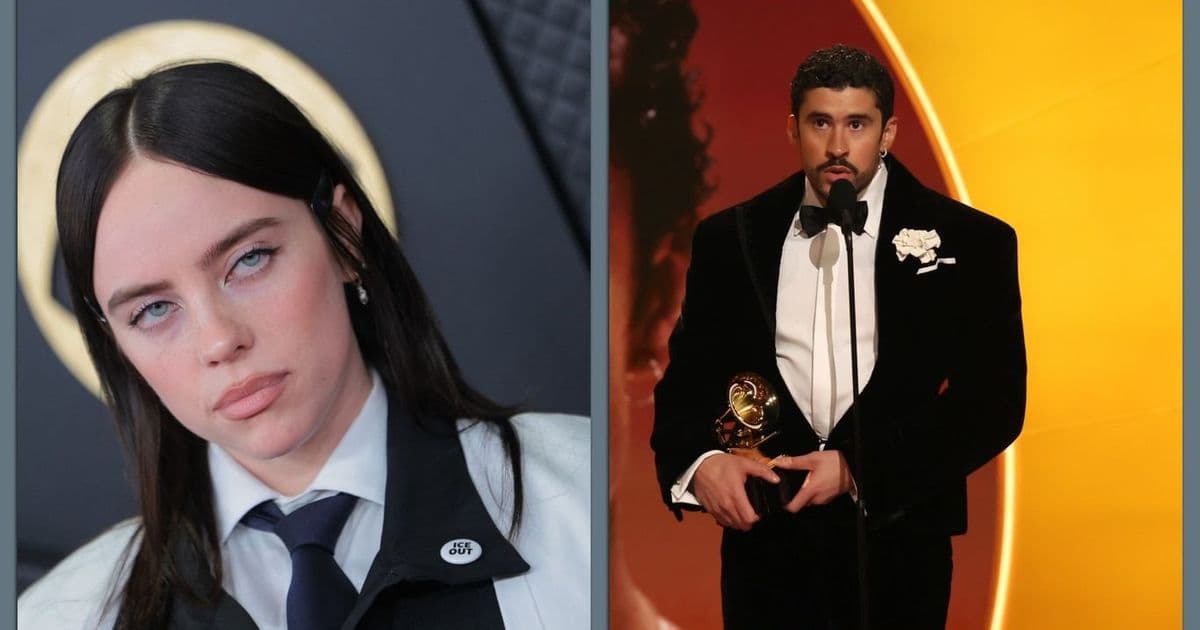
High-profile artists at the Grammys wore 'ICE OUT' protest pins against U.S. immigration enforcement, unintentionally creating a branding conflict for Crypto.com Arena where the event was held.
The 68th Annual Grammy Awards at Los Angeles' Crypto.com Arena featured prominent artists including Billie Eilish and Bad Bunny wearing "ICE OUT" pins protesting U.S. Immigration and Customs Enforcement (ICE). While intended as political commentary on immigration policy, the visual juxtaposition with the venue's naming-rights sponsor created an unintended branding dilemma for cryptocurrency exchange Crypto.com, whose corporate identity incorporates the "ICE" acronym prominently.

Singer-songwriter Billie Eilish arrives at Crypto.com Arena wearing an "ICE OUT" pin during the 68th Annual Grammy Awards (Photo: Etienne Laurent/AFP via Getty Images)
Crypto.com holds one of the entertainment industry's most valuable venue sponsorships, having paid $700 million in 2021 for 20-year naming rights to the former Staples Center. The Singapore-based exchange sought to leverage the arena's global media exposure during events like the Grammys, which drew 16.9 million viewers this year. The protest pins' prominent display during broadcast coverage creates potential brand association risks. Social media analytics from Brandwatch show a 320% spike in tweets conflating the protest message with Crypto.com within 24 hours of the ceremony.
This incident highlights the inherent volatility in cryptocurrency exchange marketing strategies. Crypto.com's sponsorship represented a cornerstone of the industry's broader $1.2 billion global sports and entertainment marketing push between 2020-2022, according to Nielsen Sports data. Such deals aimed to build mainstream trust amid regulatory uncertainty, but now expose sponsors to unpredictable event contexts. Similar challenges emerged when FTX's naming rights for Miami's NBA arena became a liability during its collapse.
The branding conflict arrives during a critical period for cryptocurrency exchanges facing increased SEC scrutiny and declining retail trading volumes. Crypto.com recently implemented 20% staff reductions amid market pressures, making brand perception management increasingly vital. Market analysts note naming-rights agreements lack standard clauses protecting sponsors from political messaging during events, leaving companies vulnerable to unintended associations.
Future entertainment venue sponsorships may require renegotiated terms addressing protest visibility, with insurance firm Marsh estimating such clauses could increase contract costs by 15-20%. Meanwhile, Crypto.com faces immediate reputation management challenges. The company could counter potential misinterpretations through targeted social media campaigns clarifying the distinction between their brand and the immigration agency, though such efforts risk appearing dismissive of legitimate political expression.
This incident demonstrates how rapidly external events can undermine crypto companies' massive marketing investments. As regulatory pressures mount, exchanges must weigh the brand volatility of high-visibility sponsorships against their audience reach benefits.
Comments
Please log in or register to join the discussion