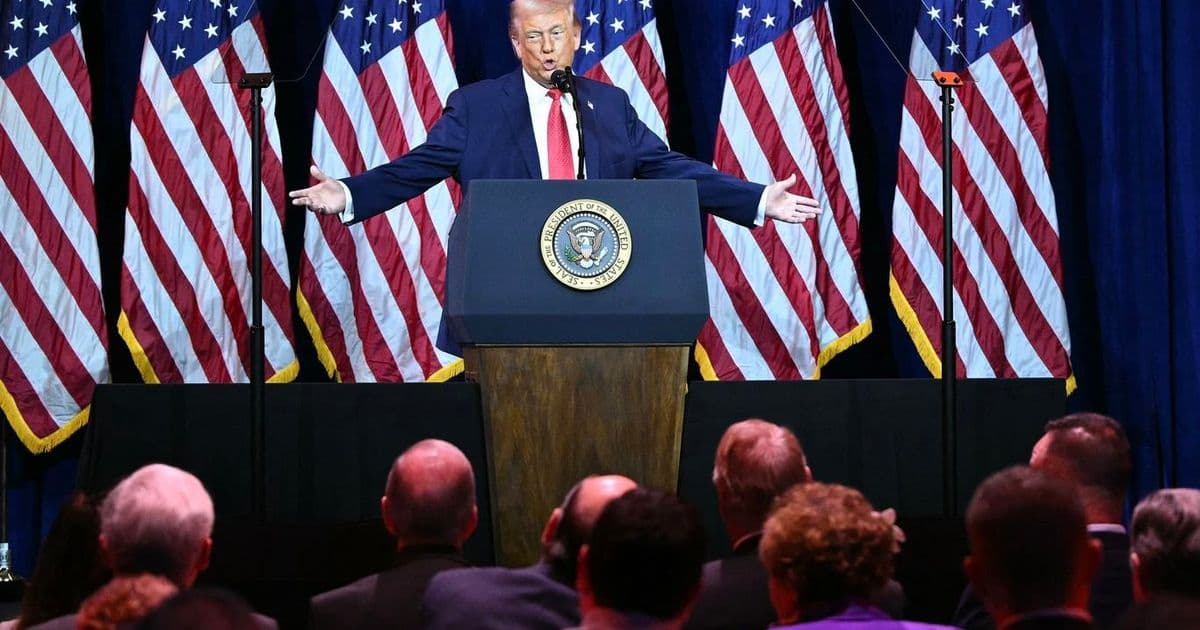
The Trump administration's two-year shutdown of the Kennedy Center for renovations will cost Washington D.C. an estimated $400 million in economic activity while displacing 1,200+ arts workers.
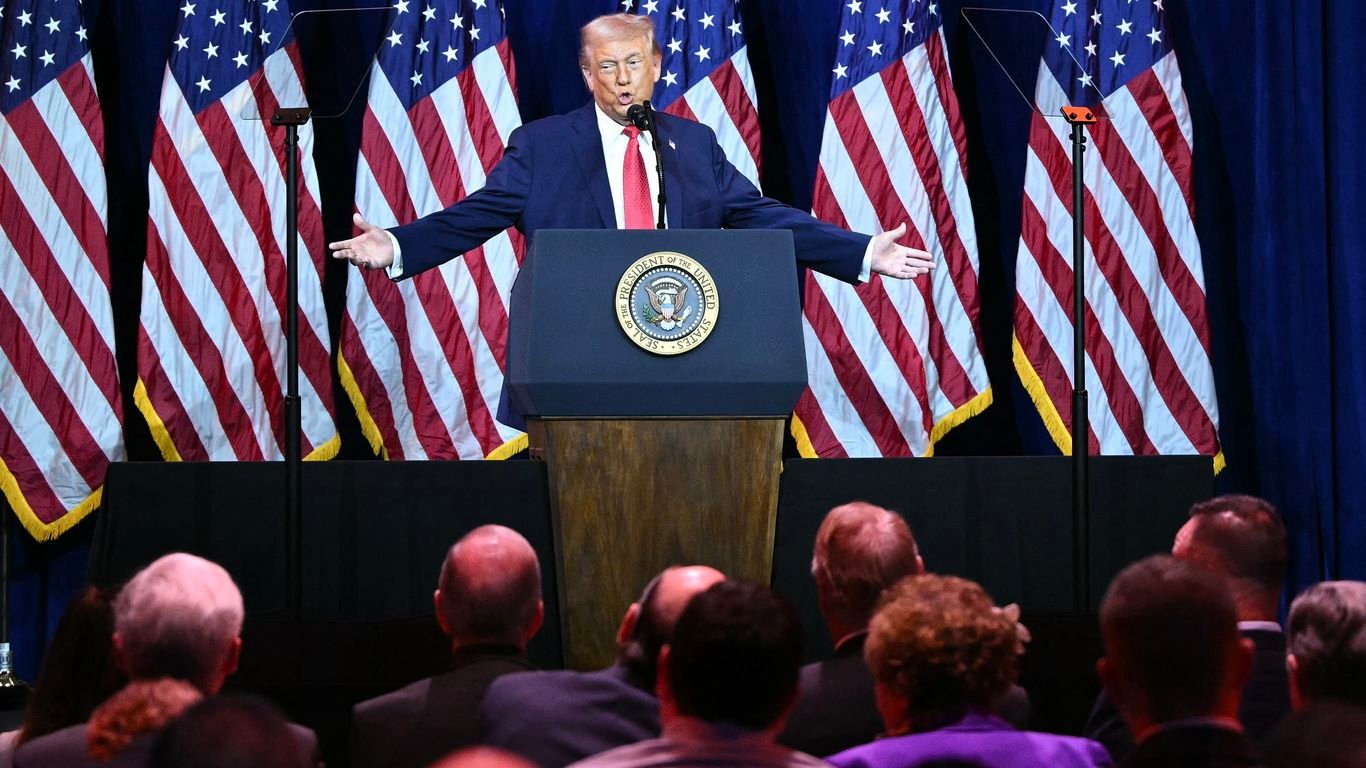
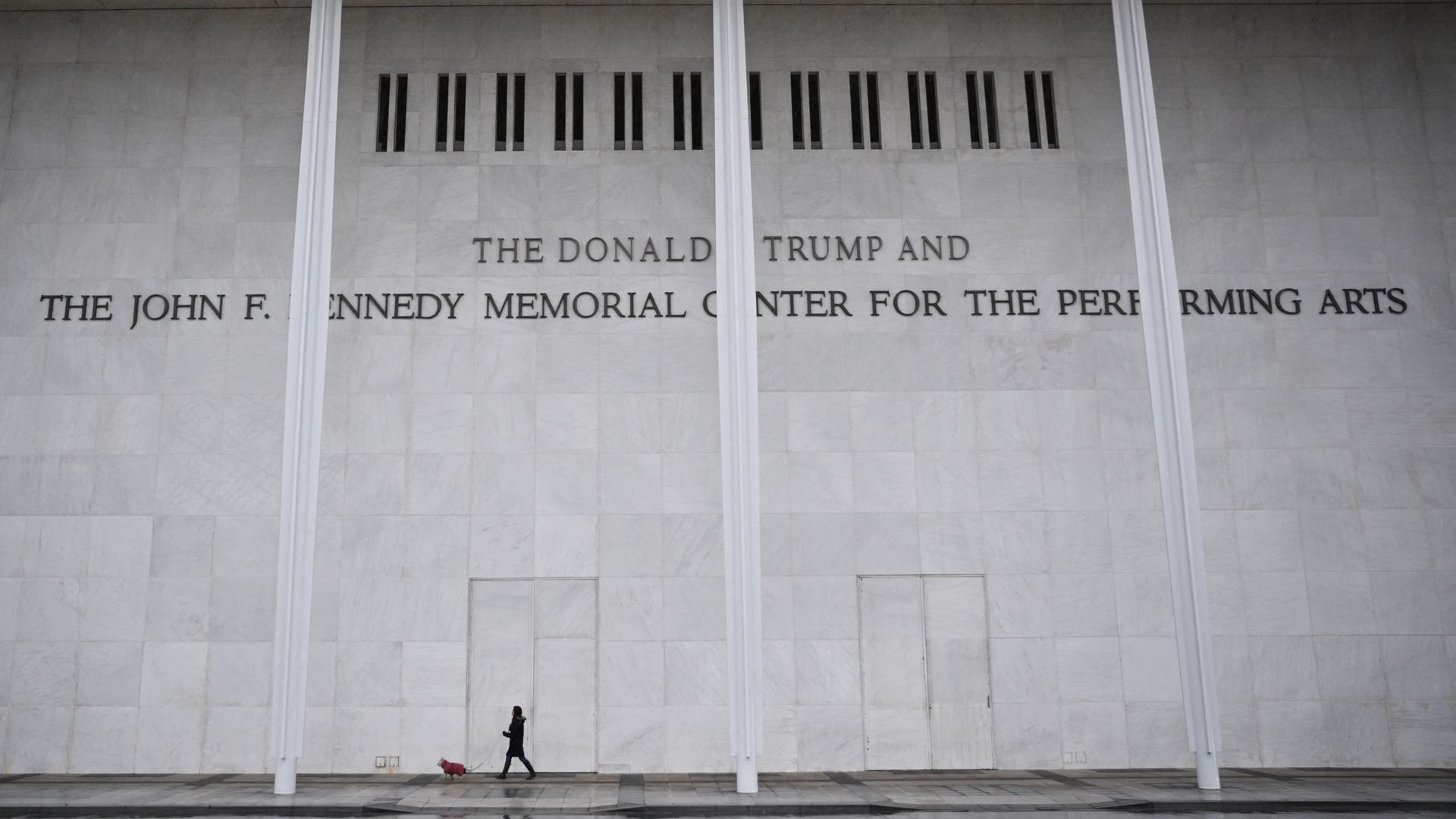
The Trump administration will shutter the John F. Kennedy Center for the Performing Arts for two years starting immediately, following the cancellation of all scheduled events. Now officially renamed the Trump-Kennedy Center, the institution's extended closure represents one of the most significant disruptions to U.S. cultural infrastructure in decades.
Financial disclosures reveal the renovation budget exceeds $200 million, funded through a combination of federal appropriations and private donations. The immediate economic impact is severe: With annual visitor traffic of 2.3 million generating approximately $200 million in direct economic activity, the two-year hiatus projects a $400 million loss for Washington D.C.'s tourism economy. Over 1,200 contract performers, stage technicians, and administrative staff face displacement during the closure period.
Market context shows performing arts centers typically implement phased renovations to minimize disruption. The Kennedy Center's complete shutdown contrasts sharply with recent major renovations at New York's Lincoln Center ($550 million) and London's Royal Opera House (£50 million), both completed while maintaining partial operations. Economic analysts note the center contributes 4.2% of D.C.'s cultural tourism revenue, with adjacent hotels and restaurants reporting 15-30% revenue dependencies on Kennedy Center events.
Strategic implications extend beyond immediate economics. The extended closure creates programming gaps for national touring productions and disadvantages mid-career artists who rely on Kennedy Center appearances for professional visibility. Arts organizations must now compete for limited alternative venues in the capital region, where premium theater rental rates have already increased 18% since the announcement. Long-term questions remain about donor confidence, as $60 million in pledged contributions are contingent on post-renovation programming that won't materialize until 2026.
Unlike corporate facility upgrades that calculate ROI through productivity gains, cultural institution renovations face unique valuation challenges. The Kennedy Center project lacks published metrics for projected attendance increases or revenue growth post-renovation, making cost-benefit analysis difficult for policymakers. With federal arts funding per capita declining 19% since 2000, this closure highlights systemic vulnerabilities in how America maintains its cultural infrastructure.
Comments
Please log in or register to join the discussion