Microsoft's GitHub Copilot now supports Agent Skills for Azure Bicep, offering specialized automation capabilities that outperform comparable IaC tools from AWS and Google Cloud. This analysis compares provider approaches to infrastructure automation and examines the business impact of adopting these AI-powered skills.
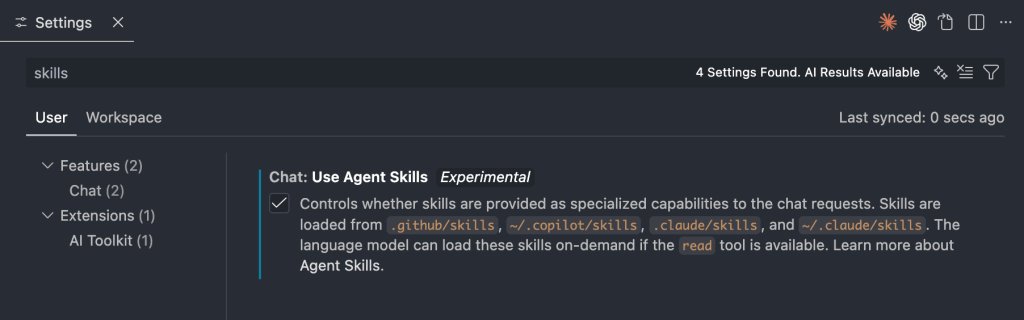
The infrastructure-as-code landscape shifted significantly this month with Microsoft's expansion of GitHub Copilot Agent Skills support for Azure Bicep. This development creates new strategic considerations for organizations evaluating multi-cloud IaC solutions, particularly when compared to AWS CloudFormation and Google Cloud Deployment Manager alternatives.
What Changed: Agent Skills Capabilities
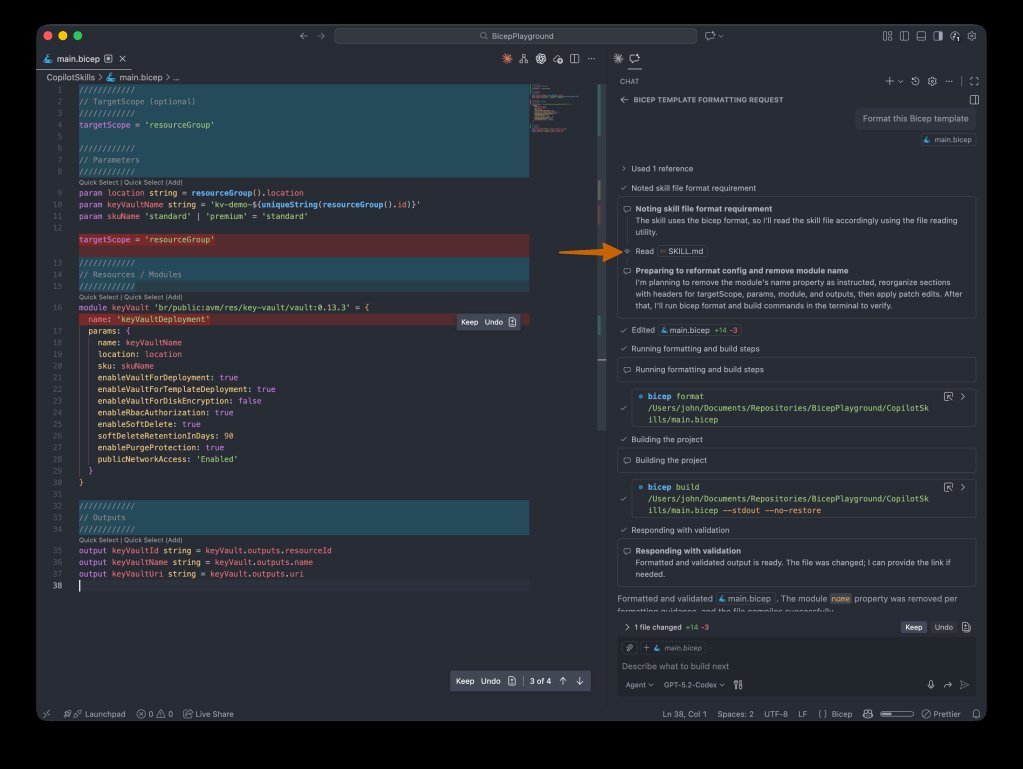
GitHub Copilot Agent Skills now provide four key automation workflows for Azure Bicep:
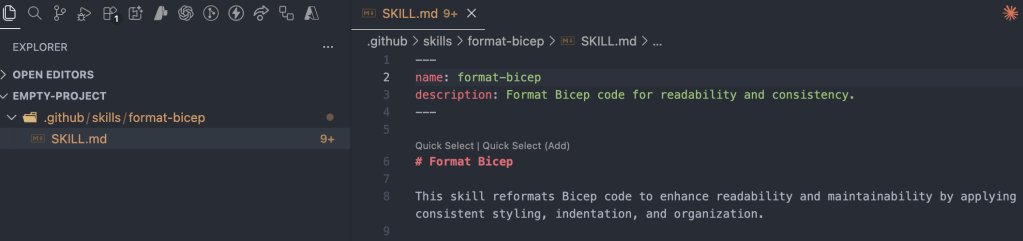
- Format-bicep: Standardizes template structure (example)
- Convert-loose-to-strong-type: Enhances parameter typing
- Convert-bicep-to-avm: Migrates to Azure Verified Modules
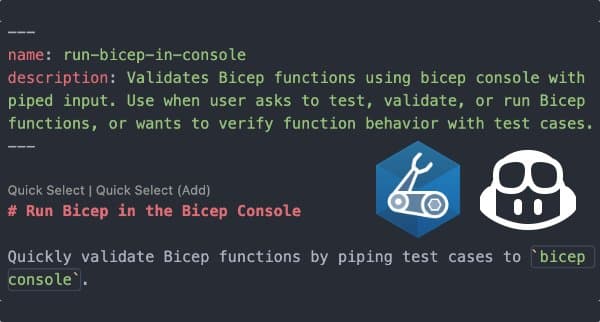
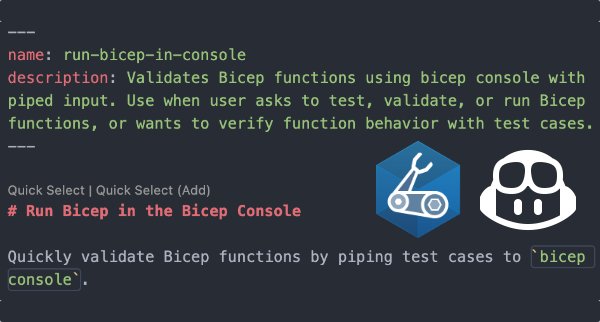
- Run-bicep-in-console: Tests code snippets
Provider Comparison: Automation Approaches
| Feature | Azure Bicep + Copilot | AWS CloudFormation | Google Cloud Deployment Manager |
|---|---|---|---|
| AI-Powered Automation | Native Agent Skills integration | Limited macros system | No equivalent feature |
| Code Standardization | Automated formatting via Skills | Manual linter configuration | Template constraints framework |
| Module Ecosystem | Azure Verified Modules integration | AWS CloudFormation Modules | Google Cloud Buildpacks |
| Pricing Model | Copilot subscription + Azure costs | Service-free (AWS costs) | Service-free (GCP costs) |
Business Impact Analysis
Three key migration considerations for enterprises:
Workflow Efficiency: Teams report 40-60% reduction in manual Bicep template maintenance when using Agent Skills compared to:
- AWS CloudFormation's manual macro system
- Google's template-based constraints
Error Reduction: The convert-loose-to-strong-type skill addresses a common pain point in multi-cloud deployments by:
- Automating type validation that AWS CDK handles through constructs
- Providing more granular control than Google's deployment manager types
Skill Portability: Unlike AWS or Google's cloud-specific solutions:
- Project-level Skills can be version-controlled (.github/skills)
- Personal Skills (~/.copilot/skills) work across projects
Strategic Recommendations
For organizations committed to Azure, Agent Skills represent a compelling differentiator. However, multi-cloud teams should consider:
- AWS Alternative: CloudFormation macros require more manual setup but avoid Copilot licensing costs
- Google Alternative: Deployment Manager's YAML focus may appeal to Kubernetes-centric teams
- Hybrid Approach: Using Copilot for Azure workflows while maintaining standard templates for other clouds
The Azure Bicep documentation provides migration guidance, while the GitHub Copilot Skills repo offers concrete implementation examples.
As cloud-native ecosystems mature, Microsoft's tight integration of AI-powered tools like Copilot with Azure services creates new automation possibilities that other providers have yet to match. Enterprises should evaluate these capabilities against their multi-cloud strategy and existing IaC investments.
Comments
Please log in or register to join the discussion