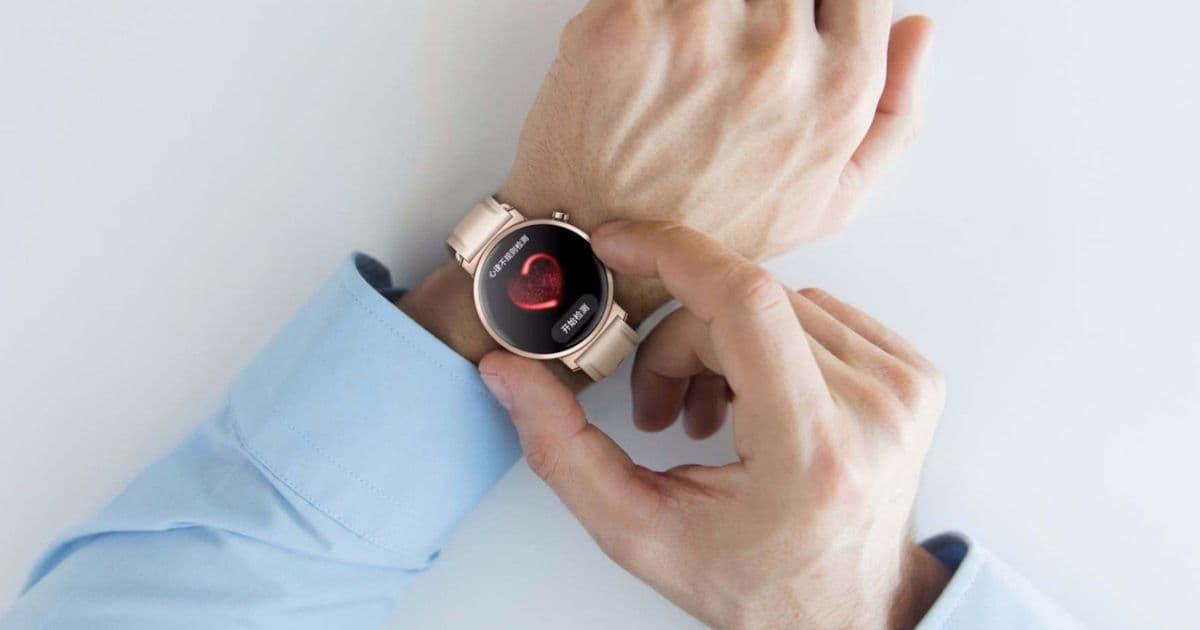
A new cardiovascular health metric called 'heart deceleration capacity' is gaining attention in medical research, and it could be the next major health feature added to premium smartwatches from Garmin and Apple. Unlike heart rate or heart rate variability, this parameter requires high-precision ECG measurements and could estimate cardiovascular disease risk with just five minutes of data.
The wearable health monitoring landscape is constantly evolving, with each new sensor and algorithm promising deeper insights into our physiological well-being. While heart rate tracking has become ubiquitous and heart rate variability (HRV) analysis is now common in mid-range and premium devices, a more sophisticated cardiovascular metric is emerging from medical research that could soon find its way into consumer smartwatches.
Understanding Heart Deceleration Capacity
Heart deceleration capacity (DC) represents a nuanced measure of the heart's ability to slow down between beats. Unlike simply counting beats per minute, DC requires high temporal resolution to analyze the precise intervals between individual heartbeats. This parameter provides insight into the autonomic nervous system's regulation of the cardiovascular system and can serve as an indicator of general fitness and cardiovascular health.
The measurement differs significantly from more familiar metrics. While heart rate is straightforward to calculate from a simple pulse count, and HRV requires tracking intervals between beats over time, deceleration capacity specifically examines how much the heart rate decreases from one beat to the next. This subtle variation in heart rhythm can reveal information about parasympathetic nervous system activity—the "rest and digest" system that counterbalances the stress response.
Recent medical research has demonstrated the clinical value of this measurement. A 2024 study published in the journal Circulation found that a five-minute electrocardiogram (ECG) combined with automated analysis of deceleration capacity could provide meaningful estimates of mortality risk. The study's findings suggest that this relatively brief measurement window could offer valuable prognostic information that might otherwise require longer monitoring periods or more invasive procedures.
The Hardware Requirements
Implementing deceleration capacity analysis in consumer smartwatches presents both opportunities and challenges. The primary requirement is access to high-quality ECG data with millisecond-level temporal resolution. This level of precision is currently available in several premium smartwatch models that include electrical heart sensors.
Devices like the Apple Watch Series 8 and later, as well as Garmin's Venu 2 Plus and Epix Pro series, already possess the necessary hardware. These watches use electrical sensors that contact the skin to detect the heart's electrical activity directly, providing far more accurate timing information than optical heart rate monitors. The optical sensors found in most smartwatches, while excellent for continuous heart rate tracking, typically lack the temporal precision needed for reliable deceleration capacity calculations.
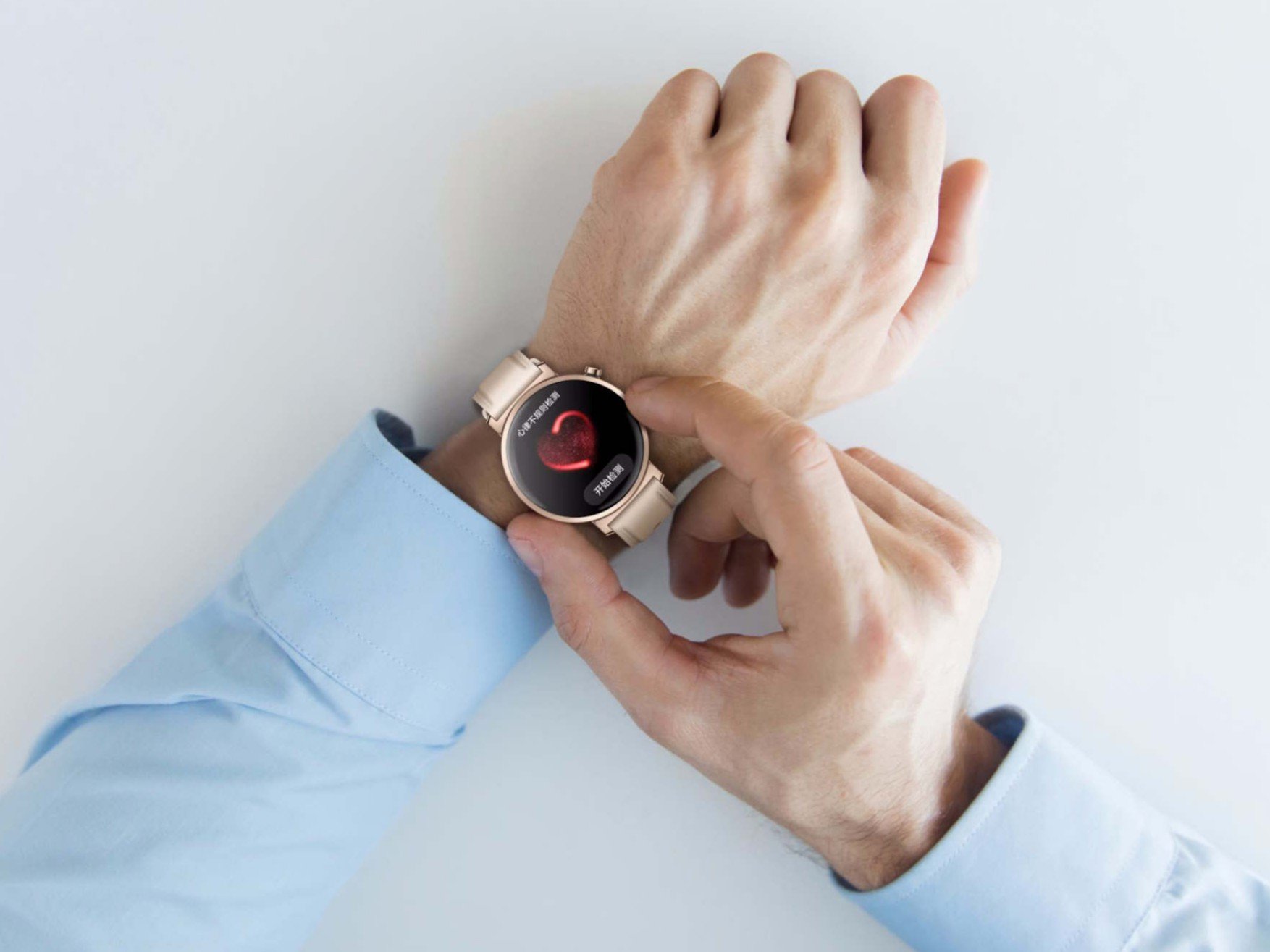
The Honor Watch GS 5, which has been mentioned in connection with this metric, appears to use its optical sensor system to attempt these measurements. However, the accuracy of optical-based deceleration capacity analysis remains unproven in peer-reviewed research. Most medical studies on this parameter rely on ECG recordings, which capture the heart's electrical signals directly rather than inferring them from blood volume changes in capillaries.
Potential Implementation Pathways
For Apple and Garmin, incorporating deceleration capacity analysis would likely follow one of two paths. The first involves leveraging existing ECG hardware through software updates. Since both companies' flagship watches already include electrical heart sensors, they could theoretically add this analysis through firmware updates without requiring new hardware.
Apple's HealthKit framework already processes complex cardiac data, and the company has shown willingness to add new health metrics through software updates. The ECG app on Apple Watch currently analyzes rhythm for atrial fibrillation detection, but the underlying data stream could be repurposed for deceleration capacity calculations with appropriate algorithm development.
Garmin's approach has historically been more focused on fitness and performance metrics. The company's Firstbeat analytics platform already calculates advanced metrics like training load, recovery time, and stress scores. Adding deceleration capacity would fit naturally into this ecosystem, potentially appearing as a new health score or integrated into existing wellness assessments.
The second pathway involves new hardware iterations. While current ECG-capable watches could theoretically support the feature, future models might include optimized sensor arrays or processing chips specifically designed for advanced cardiac analysis. This approach would ensure consistent measurement quality across all users and could enable continuous monitoring rather than requiring intentional ECG recordings.
Reliability and Validation Concerns
A critical question surrounding any new health metric is its reliability in real-world conditions. Medical studies typically use controlled environments with professional-grade equipment and trained technicians. Consumer smartwatches operate in variable conditions—different skin tones, wrist positions, ambient temperatures, and motion artifacts all affect sensor accuracy.
The Honor Watch GS 5's implementation of deceleration capacity analysis has not been subjected to peer-reviewed validation studies. Without published research comparing its measurements to clinical gold standards, the practical utility of the metric remains uncertain. This highlights a broader challenge in the wearable health space: the gap between research-grade measurements and consumer device capabilities.
Apple and Garmin would likely approach this feature with caution. Both companies have established relationships with medical institutions and regulatory bodies. Apple's ECG feature received FDA clearance in the United States, and Garmin's health metrics often undergo clinical validation. Any deceleration capacity implementation would probably follow similar protocols, potentially requiring regulatory approval before public release.
Practical Applications and User Experience
If implemented successfully, deceleration capacity analysis could provide users with actionable health insights. The metric might appear in several forms:
Single Measurement: Users could initiate a five-minute ECG recording specifically for deceleration capacity analysis, similar to how the ECG app currently works for atrial fibrillation detection.
Continuous Monitoring: With sufficient processing power and battery optimization, watches could periodically calculate deceleration capacity during normal wear, providing trend data over time.
Integrated Health Scores: The metric could contribute to broader wellness assessments, potentially influencing daily readiness scores or recovery recommendations.
Risk Assessment: Given the research linking deceleration capacity to mortality risk, the feature could provide early warnings about cardiovascular health changes, prompting users to seek medical consultation.
The user interface design would be crucial. Medical metrics can be intimidating or misleading if presented without proper context. Apple's approach with the ECG app—clear explanations, educational content, and appropriate disclaimers—provides a template for responsible implementation.
Competitive Landscape
The race to add advanced health features has intensified among wearable manufacturers. Samsung's Galaxy Watch series includes blood pressure monitoring and ECG capabilities. Fitbit's premium service offers detailed sleep analysis and stress management tools. Withings has focused on medical-grade validation for its blood pressure and ECG features.
Adding deceleration capacity could differentiate Apple and Garmin in this crowded market. However, the feature's complexity might limit its appeal to health-conscious consumers rather than the broader market. Success would depend on clear communication about what the metric means and how users should interpret results.
The Research Context
The 2024 study that demonstrated the predictive value of deceleration capacity represents part of a broader trend toward using heart rhythm analysis for risk stratification. Traditional risk factors like cholesterol levels and blood pressure provide snapshots of cardiovascular health, but heart rhythm analysis offers a dynamic view of autonomic function.
Deceleration capacity joins other emerging metrics like heart rate turbulence and T-wave alternans in providing deeper insights into cardiac autonomic regulation. These parameters reflect the heart's ability to adapt to changing demands and environmental stressors, potentially offering earlier warnings of cardiovascular deterioration than static measurements.
Future Implications
If Garmin and Apple successfully implement deceleration capacity analysis, it could accelerate adoption of similar metrics across the wearable industry. The feature might also drive demand for more sophisticated sensors in future devices, potentially including multi-lead ECG systems or advanced optical arrays capable of higher temporal resolution.
Beyond consumer devices, this development could bridge the gap between clinical cardiology and preventive health monitoring. As smartwatches become more medically accurate, they may play larger roles in remote patient monitoring and chronic disease management programs.
Conclusion
The potential addition of heart deceleration capacity analysis to Garmin and Apple smartwatches represents both an exciting advancement and a significant challenge. The technical requirements are largely met by current hardware, and the medical research supports the metric's value. However, implementation requires careful validation, thoughtful user interface design, and appropriate medical disclaimers.
For consumers, this feature could provide another window into cardiovascular health, complementing existing metrics like heart rate variability and blood oxygen saturation. For the wearable industry, it represents another step toward transforming smartwatches from fitness accessories into legitimate health monitoring tools.
Whether this feature arrives through software updates for existing devices or requires new hardware purchases remains to be seen. What seems certain is that the boundary between consumer electronics and medical devices will continue to blur as wearable technology advances.
Sources: Alexander Steger et al., "Heart Rate Deceleration Capacity as a Predictor of All-Cause Mortality," Circulation, 2024.

Article Editor: Silvio Werner - Senior Tech Writer Translator: Jacob Fisher
Comments
Please log in or register to join the discussion