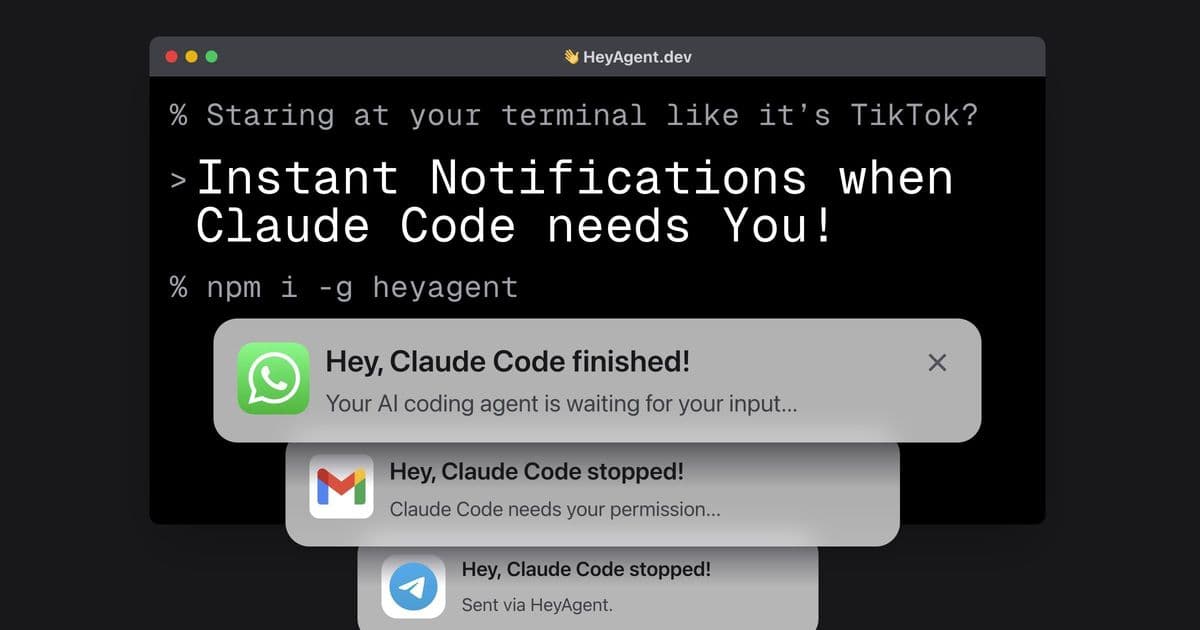
A new open-source framework called HeyAgent promises to simplify the creation of customizable AI agents with features like tool integration and memory management. Targeting developers, it aims to democratize agent development amid growing industry interest in autonomous systems. This tool could accelerate real-world AI applications while sparking debates on accessibility versus complexity in the evolving agent ecosystem.
As the race to build sophisticated AI agents intensifies, developers now have a fresh open-source option: HeyAgent. Unveiled on its official website, this framework positions itself as a lightweight, user-friendly toolkit for creating autonomous agents capable of reasoning, executing tasks, and learning from interactions. 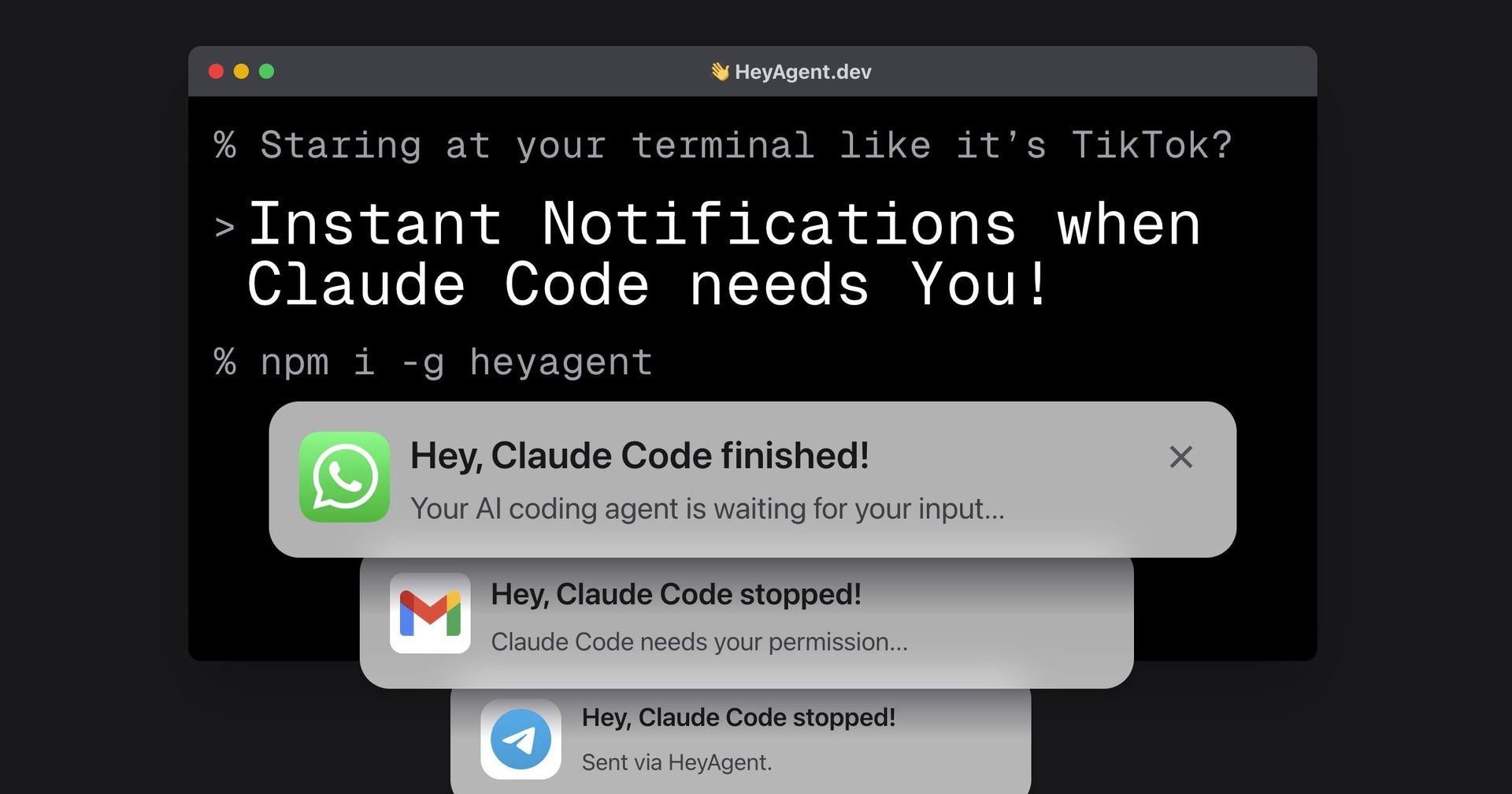
Democratizing AI Agent Development
HeyAgent strips away the steep learning curves often associated with agent frameworks. It integrates seamlessly with popular libraries like LangChain and LlamaIndex, allowing developers to equip agents with tools such as web search, code execution, or API calls. Crucially, it includes built-in memory management—enabling agents to retain context across sessions—and a clean UI for monitoring agent activities. This focus on accessibility targets solo developers and small teams who might find heavyweight alternatives like AutoGen or LangGraph overwhelming.
"The goal is to lower barriers," the project documentation states, emphasizing quick setup and extensibility. Agents can be deployed for use cases ranging from automated research assistants to customer service bots, all while running locally or on cloud infrastructure.
Why This Matters for the AI Landscape
HeyAgent arrives as giants like OpenAI and Google push proprietary agent ecosystems, risking vendor lock-in. By championing open-source, it empowers developers to customize and audit agent logic—a boon for transparency in sensitive applications like healthcare or finance. However, it also highlights a fragmentation risk: with countless frameworks emerging, developers face choice paralysis, and interoperability remains a hurdle.
Technically, the framework’s modular design allows swapping components like LLMs or memory stores, fostering experimentation. Yet, it avoids oversimplification; users still grapple with challenges like prompt engineering for reliable reasoning. This reflects a broader industry tension: balancing ease of use with the inherent complexities of agentic AI.
The Path Forward
For developers, HeyAgent offers a practical sandbox to explore autonomous systems without massive resources—potentially accelerating innovation in niche domains. Its success will hinge on community adoption and how it evolves against rivals. As agent technology shifts from hype to implementation, tools like this could define whether the future of AI is open and adaptable or siloed and constrained.
Comments
Please log in or register to join the discussion