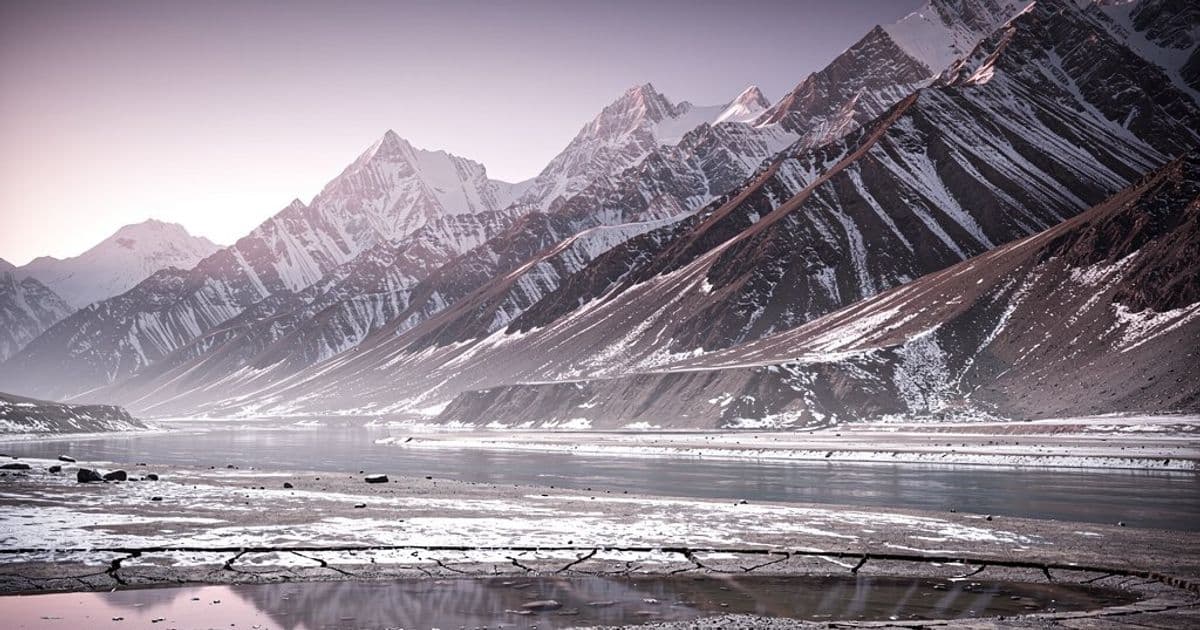
Meteorologists confirm a significant reduction in Himalayan winter snowfall over the past five years, with mountains remaining bare in what should be snow-covered months. This trend compounds existing glacier melt, threatening water security for nearly two billion people across 12 major river basins.
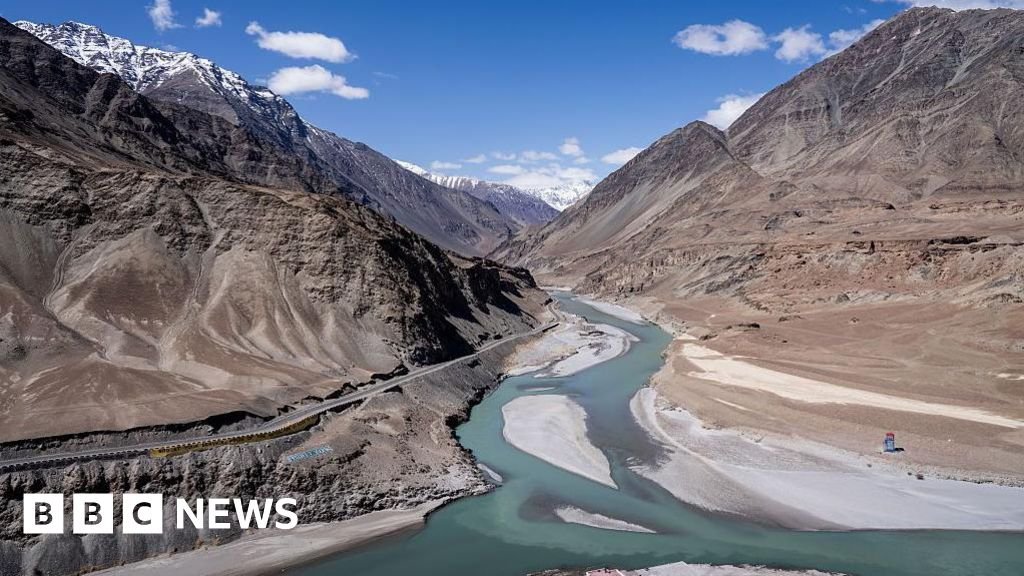
Mountains across the Himalayas are displaying unusually bare and rocky slopes during winter months, a visible symptom of declining snowfall that scientists confirm has reached critical levels. Meteorological data reveals that winter precipitation in the region has decreased by up to 25% over the past five years compared to the 1980-2020 average, creating what researchers term "snow drought" conditions.
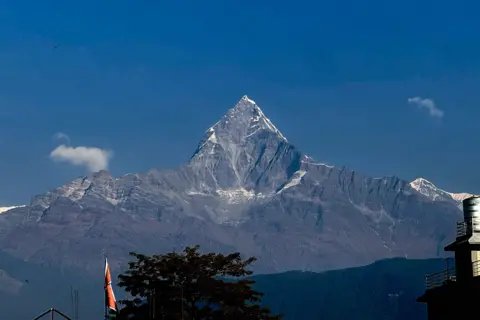
The consequences extend far beyond altered landscapes. Snowmelt from winter accumulation traditionally provides approximately 25% of annual runoff feeding Asia's major river systems, including the Indus, Ganges, and Brahmaputra. Hemant Singh of the Indian Institute of Technology Jammu confirms: "Snowfall in the northwestern Himalayas has decreased by 25% in the past five years alone." This reduction directly threatens water supplies for drinking, agriculture, and hydropower across South Asia.
Multiple factors drive this decline:
- Rising temperatures accelerate snowmelt and cause precipitation to fall as rain rather than snow at lower elevations
- Weakened westerly disturbances - weather systems from the Mediterranean that historically brought winter precipitation - now deliver 86% less moisture than historical averages in some regions
- Changing weather patterns show more isolated extreme snow events rather than consistent seasonal accumulation
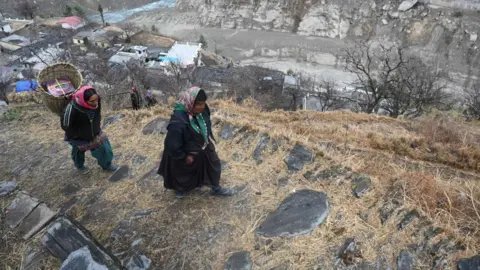
The International Centre for Integrated Mountain Development reports four of the last five winters saw "below-normal snow persistence" - a measure of how long snow remains on the ground without melting. Their 2025 snow update warns: "Anomalies in seasonal snow persistence affect water security of nearly two billion people."
Beyond water scarcity, the snow deficit creates secondary crises:
- Increased forest fire risk from drier conditions
- Destabilized mountain slopes leading to more frequent landslides and rockfalls
- Accelerated glacial retreat as reduced snowfall diminishes crucial ice replenishment
Kieran Hunt from the University of Reading notes: "There is now strong evidence across different datasets that winter precipitation in the Himalayas is indeed decreasing." While research continues into precise mechanisms, the convergence of glacier melt and reduced snowfall creates compounding challenges for regional ecosystems and economies.

Meteorologists in Nepal report zero precipitation since October 2025, consistent with trends observed throughout the Himalayan region. As Binod Pokharel of Tribhuvan University states: "This has been the case more or less in all the winters in the last five years." The dual pressure of vanishing glaciers and declining snowfall represents an escalating environmental emergency with implications for nearly a quarter of humanity.
Comments
Please log in or register to join the discussion