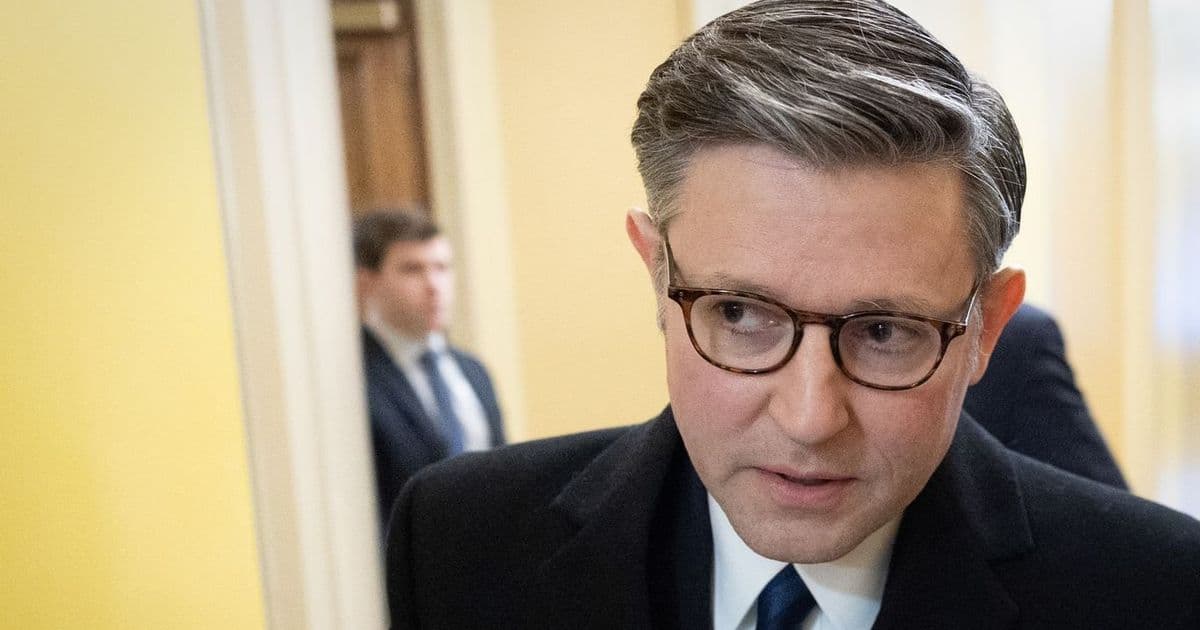
House Speaker Mike Johnson clears critical procedural hurdle as Congress moves to prevent federal agency closures and restore government operations.
House Speaker Mike Johnson cleared a critical procedural hurdle Monday evening, advancing legislation that would end the partial government shutdown that began at midnight. The House voted 217-213 to approve a rule allowing debate on a funding package that would keep federal agencies operational through March 14 while lawmakers negotiate a longer-term budget solution.
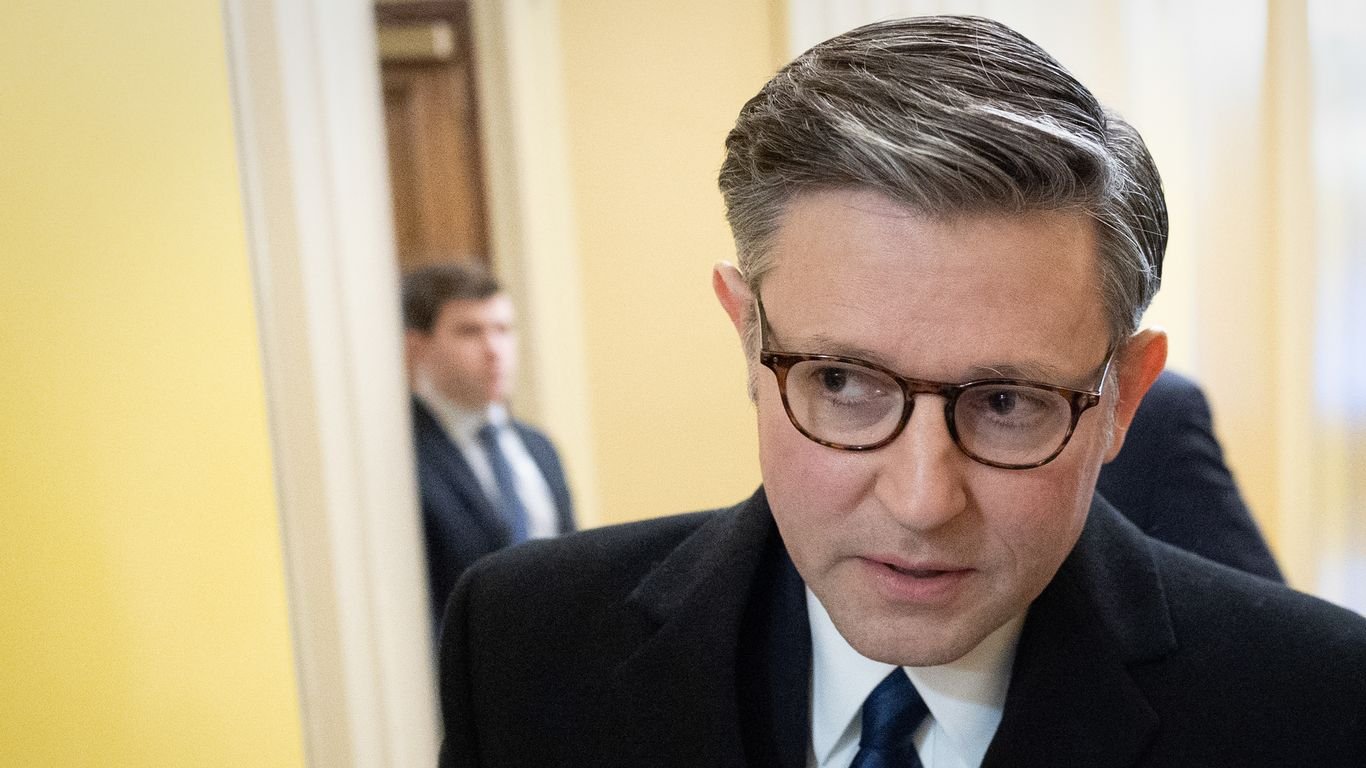
The Legislative Process The rule vote, often a mere formality in normal times, became the first major test of Republican unity in the new Congress. Johnson secured exactly the minimum number of votes needed, with all Democrats voting against the rule but pledging support for the underlying funding measure. The final vote on the continuing resolution is expected Tuesday afternoon.
What the Bill Contains The proposed legislation would:
- Fund federal agencies at current levels through mid-March
- Include $100 billion in disaster relief for states affected by recent hurricanes and wildfires
- Provide $10 billion in agricultural assistance
- Maintain pay for military personnel and essential federal workers
- Delay implementation of certain Biden administration energy efficiency standards
Political Context The shutdown began when Congress failed to pass any of the 12 annual appropriations bills by the October 1 deadline. Hardline conservatives had demanded steep spending cuts and policy riders, while Democrats insisted on maintaining current funding levels. The impasse left approximately 800,000 federal workers furloughed or working without pay.
Johnson, who assumed the speakership just three weeks ago, faces pressure from both flanks of his party. Moderates want a quick resolution to minimize economic disruption, while conservatives argue the shutdown provides leverage for their fiscal priorities.
Economic Impact The partial shutdown has already begun affecting government services. National parks have closed visitor centers, the IRS has suspended non-essential operations, and small business loan processing has slowed. Economists estimate each week of shutdown reduces GDP growth by approximately 0.1 percentage points.
What Happens Next If the House passes the continuing resolution Tuesday, the bill moves to the Senate, where Majority Leader Chuck Schumer has indicated Democrats will support it. President Biden has pledged to sign the measure immediately upon arrival at his desk.
The temporary funding extension buys Congress roughly six weeks to negotiate the remaining appropriations bills. However, with deep divisions over spending levels and policy priorities, another shutdown showdown appears likely when the stopgap measure expires March 14.

Broader Implications This episode highlights the ongoing dysfunction in Washington's budget process. The United States has now experienced four government shutdowns in the past decade, compared to just one in the previous 40 years. The repeated use of temporary funding measures has become the norm rather than the exception, raising questions about Congress's ability to perform its basic constitutional duty of funding the government.
For federal employees, the uncertainty continues. While the immediate crisis appears resolved, the six-week funding extension means another potential disruption looms just weeks away. Many workers report growing frustration with the political brinkmanship that has become standard operating procedure in budget negotiations.
The resolution of this shutdown, while welcome, represents merely a temporary fix to a systemic problem in American governance. Until Congress reforms its budget process or finds a way to bridge its partisan divide, the cycle of shutdown threats and temporary extensions seems likely to continue.
Comments
Please log in or register to join the discussion