President Trump's dramatic intervention to save TikTok from a U.S. ban reveals the complex intersection of technology, national security, and political strategy in the social media era.
President Donald Trump's unexpected decision to save TikTok from a U.S. ban represents one of the most dramatic interventions in tech policy history, emerging from a two-year campaign that blended national security concerns with political calculation.
The Backstory
The TikTok saga began in 2020 when the Trump administration first raised alarms about the Chinese-owned social media platform's data collection practices and potential ties to the Chinese government. The Committee on Foreign Investment in the United States (CFIUS) launched an investigation into ByteDance, TikTok's parent company, citing concerns about user data potentially being accessed by Beijing.
By August 2020, the situation had escalated to the point where Trump issued executive orders threatening to ban TikTok unless it sold its U.S. operations to an American company. The administration set a deadline of September 15, 2020, for a sale to companies like Microsoft or Oracle.
The Political Calculus
What made Trump's eventual decision to save TikTok particularly noteworthy was the political context. The platform had become increasingly popular among younger voters, with millions of Americans—particularly those under 30—using the app daily for entertainment and information.
During the 2020 election cycle, TikTok had also become a political tool. Reports emerged that TikTok users had organized to disrupt Trump campaign rallies, including efforts to inflate expected attendance numbers for events in Tulsa and other locations.
This created a complex dynamic: the administration was simultaneously threatening to ban a platform that was politically useful to opponents while also being popular with a demographic the Republican Party was trying to court.
The Oracle Deal
The resolution came in the form of a partnership with Oracle, which agreed to become TikTok's "trusted technology partner" in the United States. The deal, announced in September 2020, would have Oracle managing TikTok's U.S. user data and content moderation.
However, the deal never fully materialized. The Biden administration later shelved the forced sale plans, opting instead for a broader review of foreign-owned apps and their data practices.
The Reversal
Trump's decision to save TikTok came as a surprise to many observers. After months of threatening a ban and demanding a sale, the former president reversed course, citing concerns about alienating young voters and the potential economic impact of removing a popular platform.
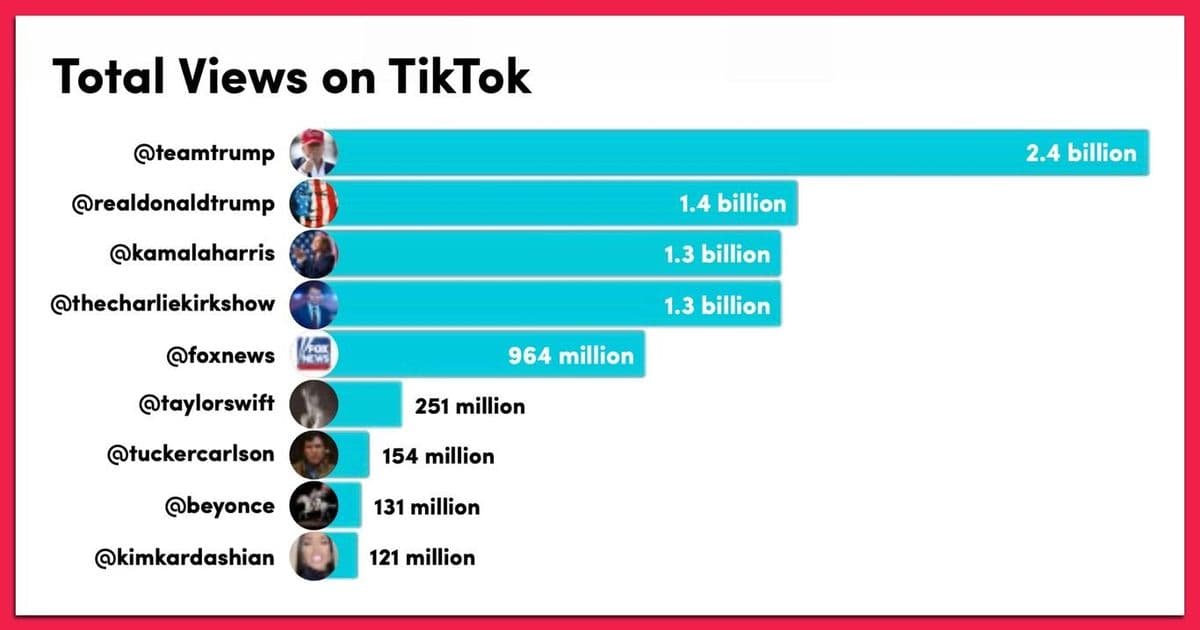
Sources close to the administration suggested that Trump had grown increasingly aware of TikTok's popularity among his own supporters, particularly in key swing states. The platform had become a significant channel for political messaging and grassroots organizing.
The Broader Implications
The TikTok episode highlighted several key trends in tech policy:
Data Sovereignty: The case underscored growing concerns about data localization and the geopolitical implications of global tech platforms.
Platform Politics: Social media platforms have become central to political strategy, with their user demographics and reach making them valuable assets for campaigns.
Regulatory Uncertainty: The shifting stance on TikTok demonstrated the challenges of creating consistent tech policy in a rapidly evolving digital landscape.
National Security vs. Economic Interests: The case illustrated the tension between security concerns and the economic benefits of popular platforms.
The Aftermath
Today, TikTok remains one of the most popular social media platforms in the United States, with over 100 million monthly active users. The company has implemented various measures to address security concerns, including data localization efforts and transparency initiatives.
However, the debate over TikTok's future continues. Some lawmakers continue to push for restrictions or bans, while others argue that the platform's economic and cultural value outweighs the security risks.
What It Means
The TikTok saga represents a watershed moment in the relationship between government and tech platforms. It demonstrated that even the most popular digital services are subject to geopolitical forces and can become pawns in larger strategic games.
The episode also revealed the complex calculations that go into tech policy decisions, where national security concerns must be balanced against political considerations and economic realities.
As social media continues to evolve and new platforms emerge, the TikTok case will likely serve as a precedent for how governments approach foreign-owned tech companies operating within their borders.
The story of how Trump saved TikTok is ultimately about the intersection of technology, politics, and power in the digital age—a reminder that in today's interconnected world, even the most popular apps can become battlegrounds for larger conflicts.
Comments
Please log in or register to join the discussion