
A developer's 15-year journey culminates in Windows-free gaming through Valve's ecosystem investments. The personal account reveals how Proton compatibility, Steam Deck, and AMD hardware advancements transformed Linux gaming viability.
For decades, the "Year of the Linux Desktop" remained an industry punchline – an elusive milestone that never materialized despite open-source advocates' hopes. Yet for software engineer Matthew Brunelle, 2024 marked a deeply personal achievement: his first full year gaming exclusively on Linux without booting into Windows. His journey reveals how Valve's quiet revolution in compatibility tooling transformed Linux gaming from frustration to feasibility.
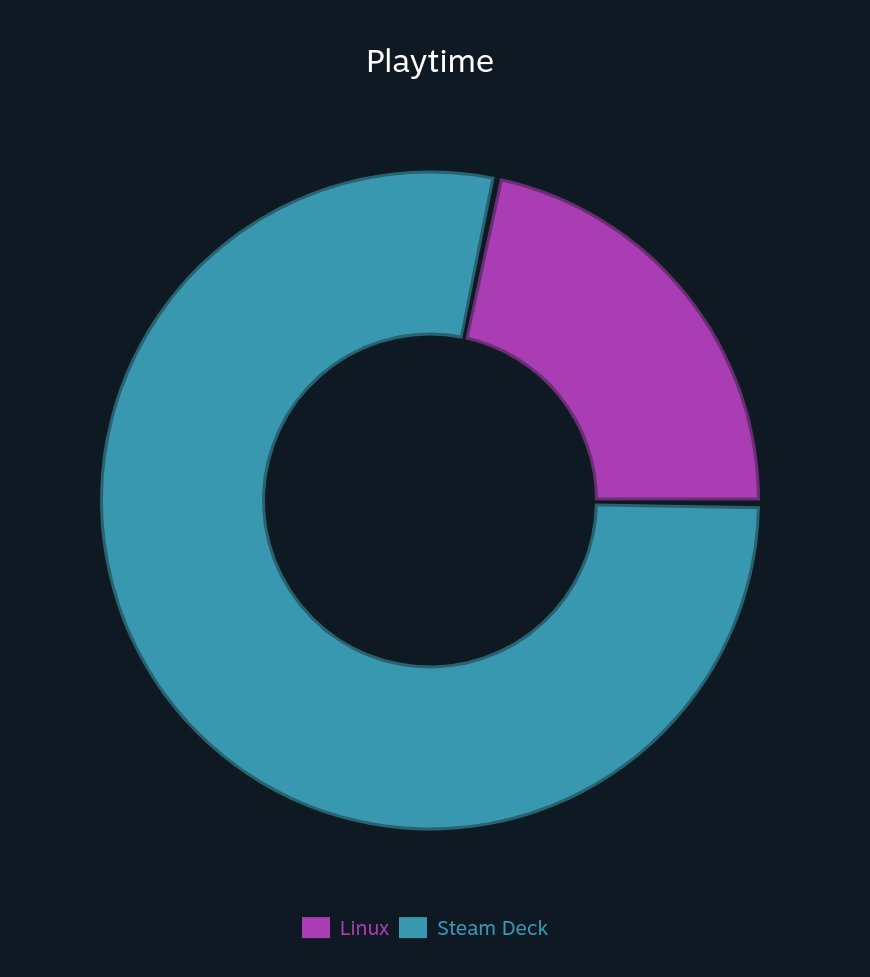
From Puppy Linux to Proton: A 15-Year Evolution Brunelle's Linux journey began circa 2003 with Puppy Linux installations on hand-me-down PCs, progressing through Ubuntu mishaps (including accidentally wiping a Windows drive during a school project) and dual-boot setups. The turning point arrived in 2022 when he received his Steam Deck reservation confirmation. "The Steam Deck brought Linux support to XIV launcher which meant I could start playing FFXIV on Linux desktop!" he notes, referencing the notoriously Windows-dependent MMO.
Key technical breakthroughs emerged through Valve's ecosystem investments:
- Proton compatibility layer enabling Windows games on Linux
- DXVK/VKD3D translation layers for DirectX-to-Vulkan conversion
- Gamescope micro-compositor for performant full-screen experiences
- Kernel-level futex improvements reducing input latency
The Compatibility Workflow That Made Windows Obsolete By 2023, Brunelle established a repeatable process for new game installations:
1. Install game on Linux via Steam/Proton
2. Consult ProtonDB community reports for tweaks
3. Check GitHub for known compatibility issues
4. If unresolved, install on Windows and monitor issue trackers
5. Retry when fixes emerge in Proton/Wine updates
"The fact that the compatibility layer is open source means people can actually try to fix the issue," Brunelle observes, contrasting this with Windows' opaque problem-solving. Hardware advancements proved equally crucial – an accidental AMD Radeon RX 7900 XT upgrade from Newegg delivered superior open-source driver support versus Nvidia's proprietary stack.
Valve's Silent Revolution The unsung hero of this transition? Valve's unprecedented open-source investment. As Brunelle documents:
"Valve is directly paying more than 100 open-source developers to work on the Proton compatibility layer, the Mesa graphics driver, and Vulkan... There's a larger strategy effort to coordinate all these products to make sure they can help PC gaming technology thrive in a Linux-based environment." – Valve engineer Pierre-Loup Griffais (2022)
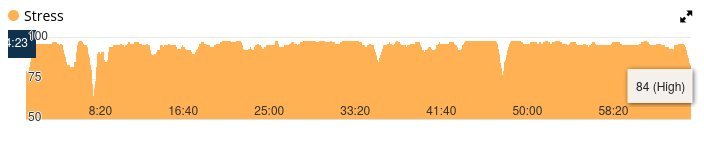 Training metrics revealed gaming's physical impact, accelerating Brunelle's shift to handheld play
This backing fueled critical projects like FEX-emu (x86-to-ARM translation enabling Steam Deck functionality) and RADV Vulkan drivers. The infrastructure allowed Brunelle to finally remove his Windows NVME drive in 2024 – a symbolic endpoint to two decades of dual-booting.
The Handheld Future By 2025, gaming habits evolved toward Steam Deck and PlayStation 5 couch sessions. "While the switch from Windows to Linux was deliberate, the switch from desktop to handheld reflects my changing lifestyle," Brunelle notes, highlighting reduced gaming time due to marathon training and writing pursuits. Ironically, Linux gaming's triumph coincided with his gradual retreat from intensive play sessions.
Crucially, Valve's investment extends beyond personal victories: "This is hugely important for game preservation," Brunelle emphasizes. "Many old games no longer work on Windows but run perfectly via Wine." With SteamOS-powered devices like the upcoming Steam Frame VR headset continuing Valve's platform vision, Brunelle anticipates his third Year of the Linux Desktop – this time intentionally avoiding what he calls Windows' "intentional enshittification."
Source: Matthew Brunelle's Blog
Comments
Please log in or register to join the discussion