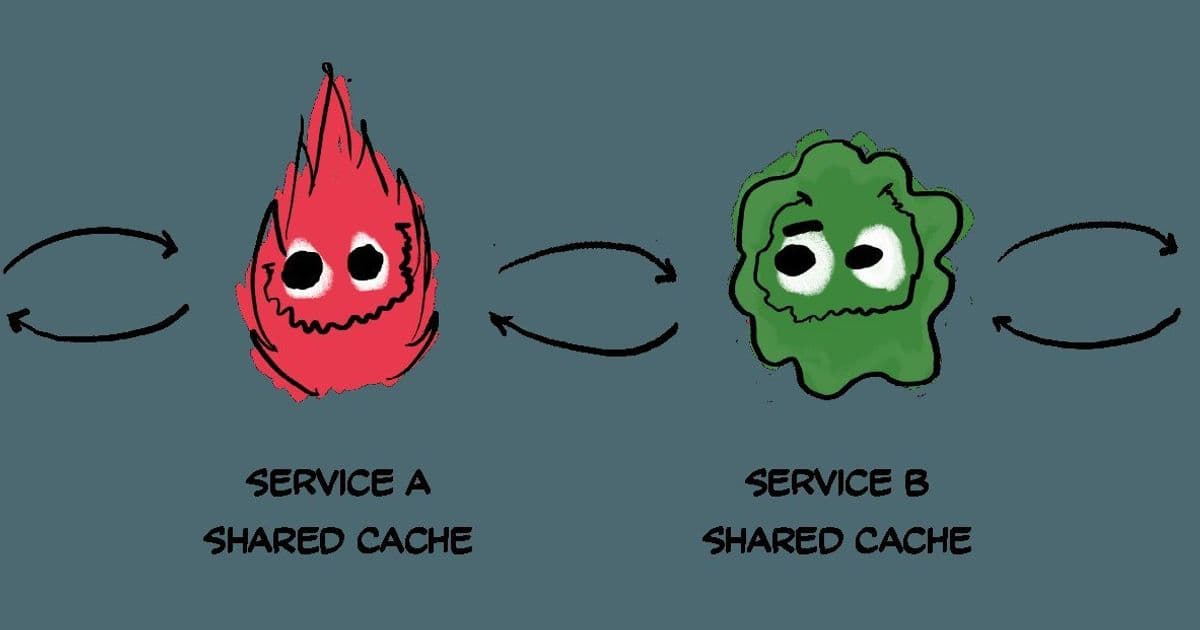
RFC 9111 redefines HTTP caching with nuanced Cache-Control directives that govern browser, CDN, and proxy behavior. This technical deep dive unpacks freshness validation, stale responses, and browser refresh mechanics—essential knowledge for optimizing web performance.
HTTP caching remains a cornerstone of web performance, yet its intricacies often elude even seasoned developers. The latest iteration, RFC 9111 (2022), refines how caches—from private browser stores to shared CDN and proxy layers—interpret directives to balance speed and freshness. Understanding these mechanics is critical for optimizing application responsiveness and reducing origin server load.

The Freshness Lifeline
Caches evaluate responses using two core metrics: age (time since last validation) and freshness lifetime (duration a response remains valid). RFC 9111 prioritizes freshness signals:
Cache-Control: max-age=<seconds>explicitly sets the lifetimeExpiresandDateheaders calculate a fallback interval- Heuristic methods using
Last-Modifiedwhen explicit cues are absent
When responses exceed their freshness lifetime, they become stale—but not useless. Caches can validate stale content via conditional requests using If-Modified-Since (based on Last-Modified) or If-None-Match (leveraging ETag hashes). A 304 Not Modified response confirms validity, resetting the freshness clock without transferring redundant data.
Cache-Control Directives Demystified
RFC 9111 expands Cache-Control's vocabulary. Key response directives include:
must-revalidate: Blocks stale reuse without validation; critical for authenticated contentno-store: Attempts to prevent storage (volatile/non-volatile), though eavesdropping risks remainstale-while-revalidate=<seconds>: Permits stale serving during background revalidationimmutable: Signals static content, suppressing refresh-triggered revalidations (though browser adoption varies)
Request directives express client intent:
max-age=<seconds>: Demands responses younger than specified ageno-cache: Forces revalidation before reuseonly-if-cached: Restricts responses to cached content (failing to504 Gateway Timeout)
Browser Refreshes: Soft vs. Hard
User-triggered reloads reveal caching’s practical nuances:
- Soft reloads (Ctrl/Cmd+R): Typically revalidate main resource (HTML) via conditional requests while loading sub-resources normally
- Hard reloads (Ctrl/Cmd+Shift+R): Bypass caches with
Cache-Control: no-cachefor all resources
Safari’s outlier behavior—using non-conditional requests for soft reloads—highlights implementation divergence.
Authenticated Caching: Proceed with Caution
Shared caches typically ignore Authorization-header requests unless overridden by:
publics-maxage(which impliesproxy-revalidate)must-revalidate
Combining these directives requires careful evaluation to avoid unintended data exposure.
The Evolving Cache Landscape
While RFC 9111 standardizes behavior, real-world gaps persist. Browser inconsistencies (like Safari’s reload quirks) and spotty support for directives like stale-if-error necessitate defensive coding. Yet the trajectory is positive: modern reload policies and tighter spec adherence reduce historical workarounds. As CDNs and browsers converge, developers gain finer control over the latency-freshness tradeoff—making mastery of HTTP caching more valuable than ever.
Source: HTTP caching, a refresher
Comments
Please log in or register to join the discussion