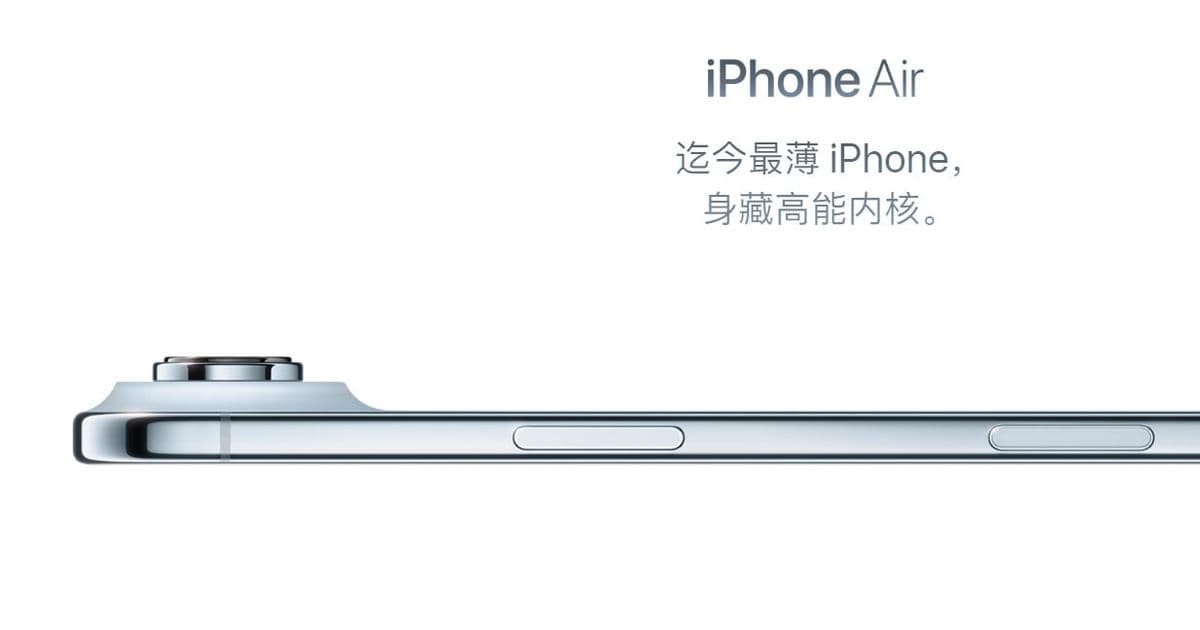
Shenzhen's electronics market technicians have successfully modified Apple's iPhone Air to accept physical SIM cards, a feat that highlights both the device's internal constraints and the ingenuity of the city's hardware modding community.
In the bustling aisles of Shenzhen's Huaqiangbei electronics district, a remarkable hardware hack has emerged. Videos circulating online since late January show technicians have successfully modified Apple's iPhone Air to accept a physical SIM card—a feature the device was never designed to support.
The modification, documented in Chinese tech forums and video platforms, involves a careful surgical procedure. Technicians machine space at the bottom of the iPhone Air's motherboard to install a SIM tray taken from an iPhone 15 Pro Max. To create the necessary room, they replace the Taptic Engine—the component that provides haptic feedback for taps and notifications—with a custom-engineered alternative that occupies less space.
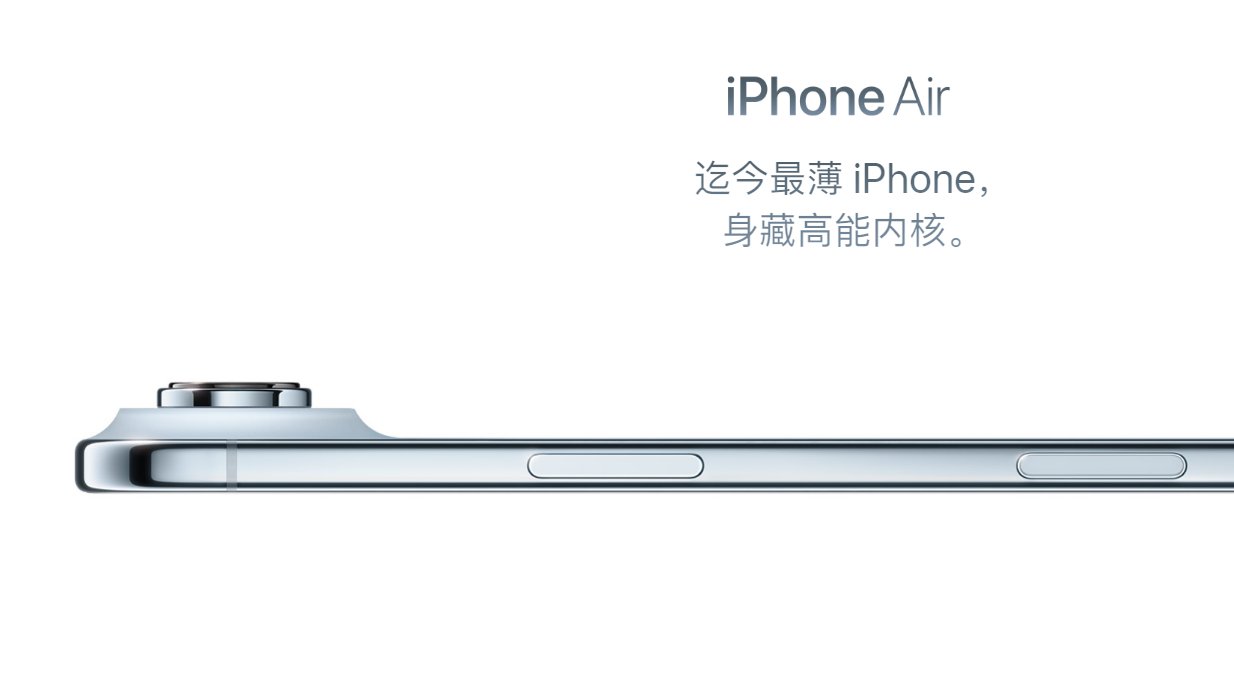
The results, shown in test videos, are functional. Modified devices, including U.S. models, can place calls and access mobile data using physical SIM cards. This achievement is significant because the iPhone Air, like all recent Apple devices sold in the United States, is eSIM-only. Apple's design choice prioritized internal space efficiency and water resistance, eliminating the physical SIM tray entirely.
This hack reveals several layers of insight into modern smartphone design and the modding ecosystem. First, it demonstrates that the iPhone Air's internal architecture, while tightly packed, still contains enough flexibility for creative re-engineering. The Taptic Engine's removal and replacement with a smaller component shows that Apple's design choices are not absolute barriers—they are trade-offs that can be reversed with sufficient technical skill.
Second, the modification highlights a persistent market demand for physical SIM support. Despite Apple's push toward eSIM adoption, many users—particularly travelers, those in regions with limited eSIM support, or individuals who frequently switch carriers—still prefer the flexibility of physical SIM cards. The Huaqiangbei modders are essentially serving this unmet need through hardware intervention.
The technical process itself is instructive. It requires precision machining of the motherboard, careful component selection, and deep knowledge of the iPhone's internal layout. The SIM tray from an iPhone 15 Pro Max isn't a direct drop-in replacement; it requires custom fitting and likely some electrical modifications to interface correctly with the iPhone Air's modem. The custom Taptic Engine replacement suggests the modders have developed a proprietary component or adapted existing parts to fit the space constraints.
This isn't the first time Huaqiangbei's technicians have reverse-engineered Apple's designs. The district has a long history of hardware modifications, from adding expandable storage to iPhones to creating custom cases and components. What makes this particular modification noteworthy is its complexity and the fact that it addresses a fundamental design limitation rather than an accessory feature.
However, significant caveats exist. Modified devices would likely void any remaining warranty and could potentially affect device reliability. The removal of the original Taptic Engine means users lose haptic feedback for notifications and interactions, which is a core part of the iPhone experience. The physical SIM slot also introduces potential points of failure for water resistance—a critical feature for many users.
From a broader perspective, this modification reflects the ongoing tension between Apple's design philosophy and user preferences. Apple has consistently moved toward integrated, sealed designs that prioritize form factor and specific user experiences over modularity and repairability. The Huaqiangbei hack represents a grassroots response to this philosophy, demonstrating that with enough technical expertise, even Apple's most integrated designs can be reconfigured.
The modification also raises questions about the future of physical SIM cards. As carriers worldwide expand eSIM support, the need for physical SIM slots diminishes. Yet, in many markets, particularly developing regions, physical SIM cards remain the standard. This hack suggests that for some users, the convenience of eSIM doesn't outweigh the flexibility of physical cards.
For those interested in the technical details, the modification process likely involves disassembling the iPhone Air, carefully removing the Taptic Engine, machining the chassis to create space for the SIM tray, and then integrating the tray with the device's logic board. The test videos showing successful calls and data access indicate that the modem and antenna systems remain functional after the modification—a non-trivial engineering challenge.
While this specific modification is likely limited to the Huaqiangbei modding community and specialized repair shops, it demonstrates the ongoing innovation in hardware modification. It also serves as a reminder that even the most integrated consumer electronics can be reimagined by determined technicians with the right tools and knowledge.
The broader implication is that user demand for certain features can drive hardware innovation, even when manufacturers choose not to provide them. As smartphone designs continue to evolve, the modding community will likely continue to find creative ways to adapt and modify devices to meet specific needs that manufacturers don't address.
For those curious about the technical specifics, the modification represents a fascinating intersection of precision engineering, reverse engineering, and practical problem-solving. It's a testament to the skill of Huaqiangbei's technicians and the enduring appeal of customizable hardware in an increasingly integrated device landscape.
Comments
Please log in or register to join the discussion