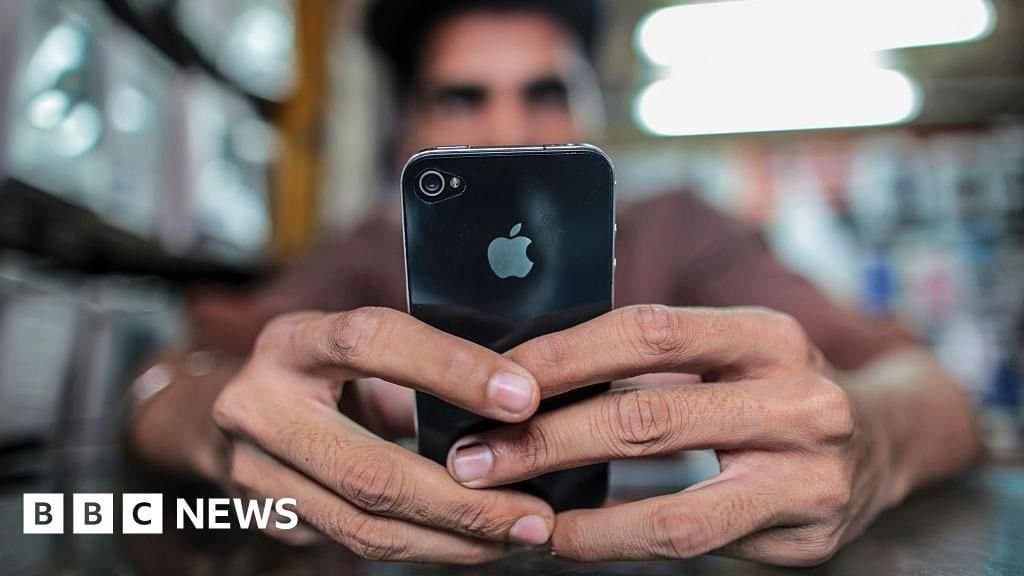
India has scrapped a controversial order requiring smartphone makers to pre-install a state-run cyber safety app on new devices following significant privacy concerns and resistance from major tech companies, including Apple and Samsung.
India Reverses Controversial Mandate for State-Run Cyber Safety App After Privacy Backlash
India has reversed a controversial directive that would have mandated smartphone manufacturers to pre-install a state-run cyber safety application on all new devices, following significant public backlash and resistance from major technology companies.
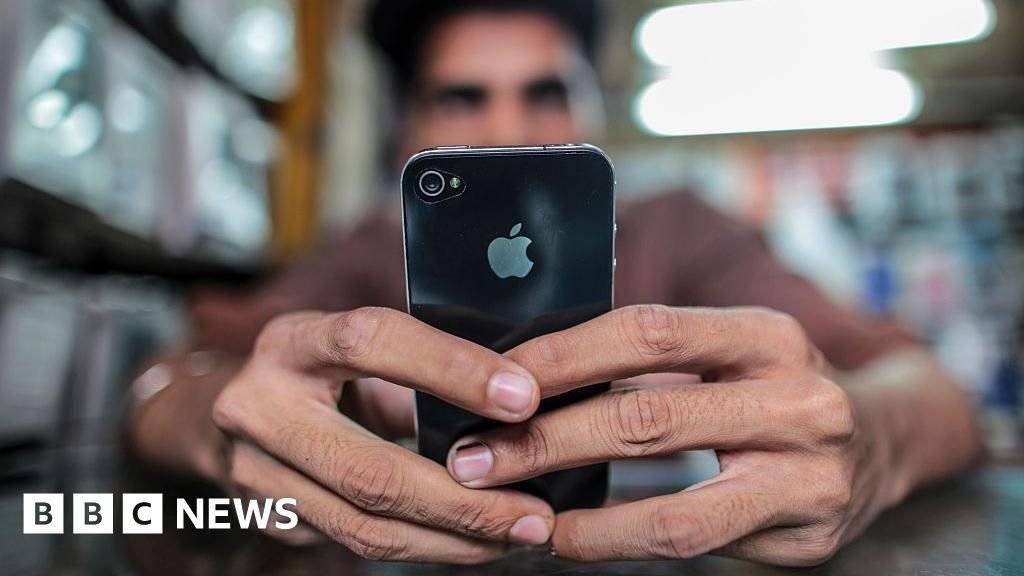
The order, which was passed last week but made public on Monday, gave smartphone manufacturers a 90-day deadline to pre-load new phones with the government's "Sanchar Saathi" app. The directive specified that the app could not be "disabled or restricted," immediately sparking widespread concerns about privacy and potential surveillance capabilities.
The Sanchar Saathi App: Government's Justification
The Indian government justified the mandatory pre-installation as a necessary measure to verify the authenticity of mobile handsets across the country. The app, which translates to "Communication Companion," was positioned as a tool to combat mobile fraud and theft.
According to India's telecom ministry, the app has seen significant adoption since its voluntary launch, with 14 million users downloading it to date. The ministry reported that users have reported approximately 2,000 frauds daily through the app, with 600,000 new registrations occurring on Tuesday alone—a tenfold spike following the announcement of the mandatory installation.
"Since the announcement of the order, there has been an increasing acceptance of the Sanchar Saathi app by the citizens," the government stated in its explanation for reversing the directive.
Privacy and Surveillance Concerns
Despite the government's claims about the app's benefits, cybersecurity experts and digital rights advocates raised immediate concerns about the implications of making the app mandatory and non-disableable.
"Such a mandate would create a significant privacy risk for Indian citizens," noted Dr. Anjali Sharma, a cybersecurity researcher at the National Institute of Technology in Delhi. "When a government application is pre-installed and cannot be removed, it raises questions about data collection, user consent, and potential surveillance capabilities."
The concerns were amplified by the fact that the directive was issued without prior consultation with industry stakeholders or privacy experts.
Resistance from Tech Giants
Major smartphone manufacturers, including Apple and Samsung, reportedly resisted the directive, citing both technical and privacy concerns.
Sources familiar with the matter told the BBC that the companies were particularly concerned about the lack of consultation and how the mandate would challenge established user privacy norms. For Apple, which maintains strict control over its iOS ecosystem, such a requirement would be particularly problematic.
"The directive would have fundamentally altered our relationship with users," said a spokesperson for a major smartphone manufacturer who requested anonymity. "Users expect control over their devices, and being forced to include a non-disableable government app sets a concerning precedent."
Government Reversal and Official Response
In response to the mounting criticism, India's Ministry of Communications announced the withdrawal of the mandatory pre-installation order. However, Minister Jyotiraditya Scindia dismissed concerns that the app could be used for surveillance purposes.
"Snooping is neither possible nor will it happen with the Sanchar Saathi safety app," Scindia stated, emphasizing that the application was designed solely for security purposes.
The government's decision to reverse the order was welcomed by digital advocacy groups, though with some caution.
"This is a welcome development, but we are still awaiting the full text of the legal order that should accompany this announcement," the Internet Freedom Foundation said in a statement. "For now, we should treat this as cautious optimism, not closure, until the formal legal direction is published and independently confirmed."
Industry Impact and Broader Implications
The reversal of this directive has significant implications for India's rapidly growing digital ecosystem. With 1.2 billion mobile users, India represents one of the world's largest and most important smartphone markets.

For smartphone manufacturers, the decision provides relief from a potentially costly and technically challenging requirement. Implementing such a mandate would have required significant modifications to device software and supply chain processes.
For Indian consumers, the outcome preserves their right to choose which applications they install on their devices, maintaining a key tenet of digital freedom.
The incident also highlights the growing tension between governments seeking to implement digital security measures and technology companies committed to user privacy. As nations worldwide grapple with issues of cybersecurity, data protection, and digital sovereignty, cases like India's Sanchar Saathi app may become increasingly common.
Looking Forward
While the mandatory pre-installation has been reversed, the Sanchar Saathi app continues to gain traction voluntarily. The government may explore alternative approaches to promote adoption without resorting to mandates that override user preferences.
For the technology industry, this case serves as a reminder of the importance of engaging with policymakers early in the development of digital regulations. By providing technical expertise and highlighting privacy considerations, companies can help shape policies that balance security needs with user rights.
As India's digital landscape continues to evolve, the relationship between technology, governance, and privacy will remain a critical area of focus for developers, security professionals, and policymakers alike.
Comments
Please log in or register to join the discussion