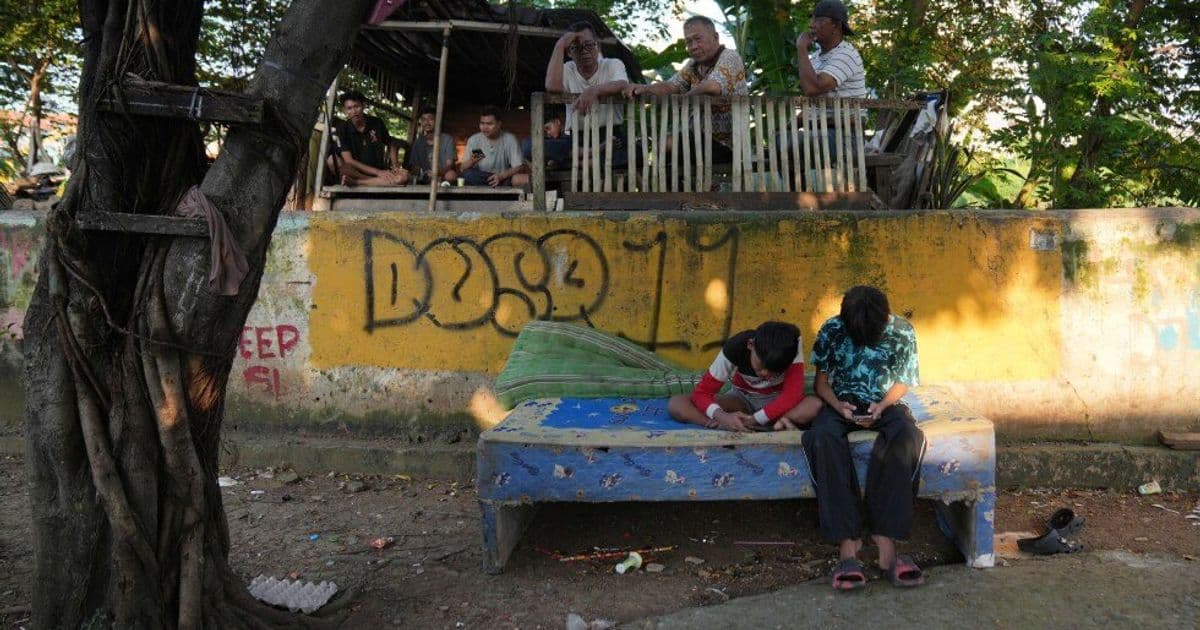
Indonesia has begun implementing a new regulation that prohibits children under 16 from accessing digital platforms that could expose them to pornography, cyberbullying, online scams, and addiction, marking a significant step in the country's efforts to safeguard its youth in the digital age.
Indonesia has officially begun implementing a new government regulation that bans children under the age of 16 from accessing digital platforms that could expose them to pornography, cyberbullying, online scams, and addiction.
The regulation, which was approved earlier this month, took effect on Saturday and represents one of the most comprehensive youth protection measures in Southeast Asia. The Indonesian government aims to create a safer digital environment for its young population while addressing growing concerns about the negative impacts of unrestricted internet access on children.
Under the new rules, digital platforms operating in Indonesia must implement age verification systems and restrict access to content deemed harmful to minors. This includes pornography, violent content, gambling sites, and platforms that facilitate cyberbullying or online scams. Social media companies and gaming platforms will also face restrictions on features that could lead to addictive behaviors among young users.
Education officials have been working with technology companies to develop age-appropriate alternatives and educational content that can help children develop digital literacy skills without exposing them to harmful material. The government has also launched public awareness campaigns to help parents understand the new regulations and how to monitor their children's online activities.
Technology companies operating in Indonesia have expressed mixed reactions to the regulation. While many support the goal of protecting children, some have raised concerns about the technical challenges of implementing age verification systems and the potential impact on their user base and revenue. Several major platforms have announced plans to develop new features specifically for the Indonesian market to comply with the regulations.
The move comes amid growing global concern about the impact of digital technology on children's mental health and development. Countries around the world are grappling with similar issues, though Indonesia's approach is among the most restrictive. The regulation reflects the government's commitment to balancing technological progress with social responsibility.
Enforcement of the new rules will be carried out by a newly established digital safety commission, which will have the authority to fine companies that fail to comply with the regulations. The commission will also work with law enforcement agencies to investigate cases of online exploitation and cybercrime targeting minors.
Parents and child advocacy groups have largely welcomed the regulation, though some have called for even stricter measures. They argue that the digital world poses unprecedented risks to children and that government intervention is necessary to protect the most vulnerable members of society.
However, digital rights advocates have expressed concern that the regulation could be used to restrict access to legitimate educational content and limit freedom of expression. They argue that a more nuanced approach focusing on digital literacy education might be more effective in the long term.
The implementation of this regulation is expected to have significant implications for Indonesia's digital economy, which has been growing rapidly in recent years. E-commerce platforms, social media companies, and online gaming services will need to adapt their business models to comply with the new rules while maintaining their appeal to adult users.
As the regulation takes effect, all eyes will be on Indonesia to see how effectively it can balance the protection of children with the need to maintain a vibrant and innovative digital ecosystem. The success or failure of this approach could influence similar policies in other countries facing the same challenges of protecting youth in an increasingly connected world.
For now, Indonesian families are adjusting to the new reality of restricted digital access for their children, with many parents expressing relief that the government is taking concrete steps to address online safety concerns. The coming months will reveal whether this bold regulatory approach achieves its intended goals of creating a safer digital environment for Indonesia's youth.
Comments
Please log in or register to join the discussion