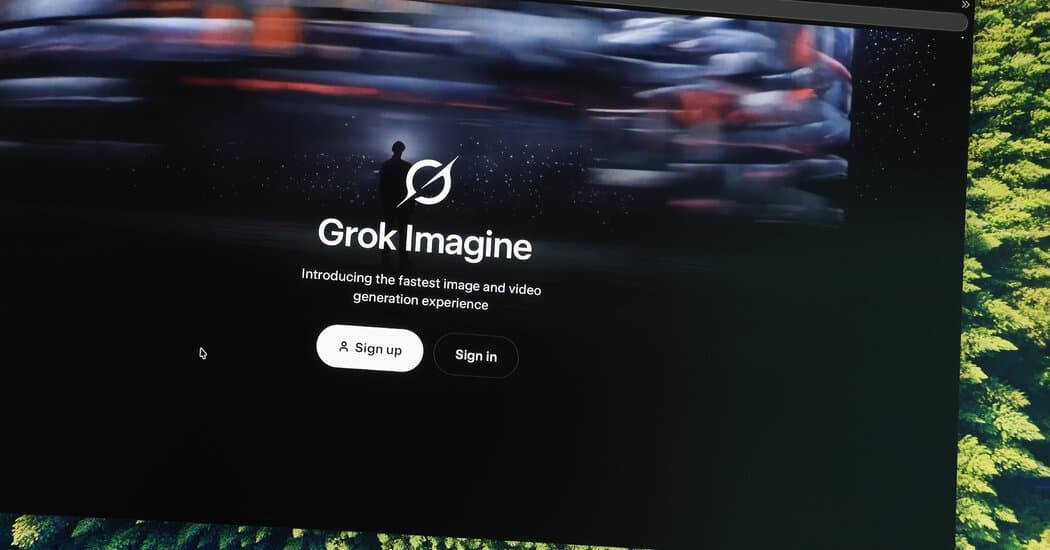
Indonesia reversed its Grok chatbot ban after X submitted a letter outlining specific measures to prevent misuse, making it the first country to ban and then lift restrictions on the controversial AI tool.
Indonesia has lifted its ban on X's Grok chatbot after receiving a letter from the company outlining "concrete steps" to prevent misuse, marking a significant reversal for the first country to restrict access to the AI tool.
The decision comes weeks after Indonesia initially blocked Grok, joining Malaysia and the Philippines in reassessing their stance on the controversial chatbot. The Indonesian government cited concerns about content moderation and potential misuse as the original justification for the ban.
X's letter to Indonesian authorities reportedly detailed specific measures the company would implement to address regulatory concerns. While the exact contents of the letter remain undisclosed, the response appears to have satisfied Indonesian officials enough to reverse their position.
This development highlights the growing tension between AI companies and governments worldwide as nations grapple with how to regulate emerging technologies. Indonesia's initial ban and subsequent reversal demonstrate the complex balancing act between innovation, safety, and national sovereignty in the AI era.
The lifting of the ban could have broader implications for other countries considering restrictions on AI tools. It suggests that direct engagement between tech companies and regulators, coupled with concrete safety commitments, may be an effective path to resolving regulatory disputes.
Grok, developed by X (formerly Twitter), has faced scrutiny in multiple jurisdictions due to concerns about its content generation capabilities and potential for misuse. The chatbot's integration with X's social media platform has raised additional questions about the spread of misinformation and harmful content.
Indonesia's reversal may encourage other nations to pursue dialogue with AI companies rather than implementing outright bans, potentially establishing a new template for AI regulation that emphasizes cooperation over confrontation.
The incident underscores the challenges facing AI companies as they navigate an increasingly complex global regulatory landscape while attempting to deploy their technologies widely.
Comments
Please log in or register to join the discussion