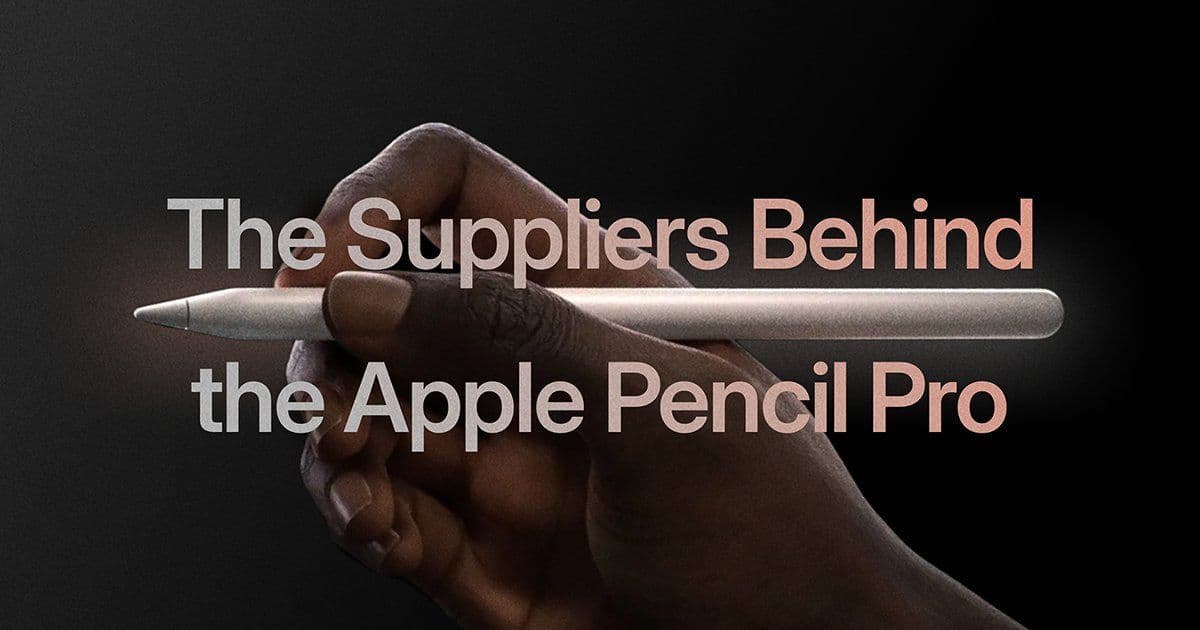
Apple's iconic iPhone relies on a meticulously orchestrated network of global suppliers, from semiconductor giants to precision manufacturers. This deep dive uncovers the critical players and complex relationships driving innovation, while highlighting vulnerabilities and strategic shifts in tech's most influential supply chain.
When you hold an iPhone, you're cradling the culmination of efforts from dozens of companies across continents—each a specialist in their domain, from cutting-edge chips to precision-machined casings. A recent Quartr analysis peels back the curtain on this intricate ecosystem, revealing how Apple's partnerships with suppliers like TSMC, Foxconn, and Samsung are not just about assembly lines but about co-innovation on a global scale. For developers and engineers, understanding this web is crucial: it shapes everything from hardware capabilities to product security and market dynamics.
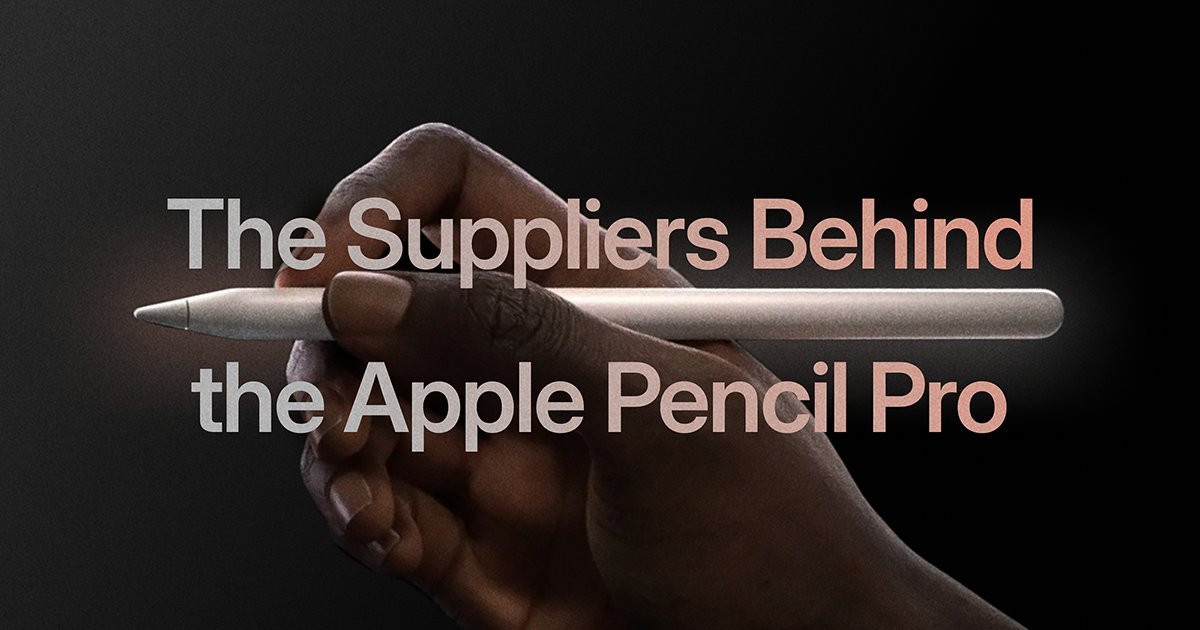
The Core Players: More Than Just Suppliers
At the heart of every iPhone lies a symphony of components sourced from industry titans. Taiwan Semiconductor Manufacturing Company (TSMC) fabricates the custom A-series and M-series chips using advanced 3nm processes, pushing the boundaries of performance and efficiency. Foxconn (Hon Hai Precision Industry) handles the high-volume assembly with unparalleled scale, while Samsung supplies OLED displays and NAND flash memory, creating a delicate balance of collaboration and competition. As Quartr notes, these relationships are deeply symbiotic—Apple secures exclusivity and investment in return for volume guarantees, but this interdependency introduces risks like geopolitical tensions or supply bottlenecks.
Innovation Through Collaboration: A Two-Way Street
Apple's supplier strategy isn't transactional; it's a blueprint for accelerated R&D. For instance, the company often co-invests in supplier facilities to pioneer new technologies, such as laser etching for aluminum bodies or miniaturized sensors. This fosters breakthroughs like the LiDAR scanner in recent iPhones, developed with Lumentum, which enables AR applications developers are now leveraging. Yet, this model demands immense coordination. "The real magic happens in the integration," observes a supply chain expert quoted in the Quartr report. "Apple's ability to orchestrate these partners is why they consistently out-innovate rivals."

Implications for the Tech Ecosystem: Risk and Resilience
For developers, this supply chain's complexity has direct consequences. Shortages in components like chips can delay product launches, affecting app development cycles, while security flaws in third-party firmware (e.g., past issues with Broadcom Wi-Fi modules) can cascade into vulnerabilities. Quartr highlights how Apple is responding by diversifying—shifting some production to India and Vietnam—and investing in vertical integration, like designing its own modems to reduce reliance on Qualcomm. This move toward resilience is reshaping the industry, prompting broader discussions about ethical sourcing and AI-driven supply optimization.
As we enter an era of AI-hardware convergence, Apple's supplier network isn't just building devices; it's defining the future of personal technology. The lessons here extend beyond Cupertino: in a fragmented world, the most successful innovations will come from ecosystems that balance deep specialization with robust, adaptable partnerships.
Comments
Please log in or register to join the discussion