Apple's creative apps, from iMovie to Pixelmator, are languishing with infrequent updates despite being showcased in hardware demos, raising alarms about the company's commitment to its software ecosystem. The stagnation, particularly evident post-acquisitions and in flagship tools like Final Cut Pro, threatens user trust and highlights a disconnect between Apple's innovation narratives and developer realities. This erosion could push professionals toward alternatives amid growing frustration ov
For years, Apple has touted its creative software—like Final Cut Pro and iMovie—as crown jewels that showcase the power of its hardware and platforms. Yet beneath the glossy demos at Apple events, a troubling pattern of neglect is emerging. Apps are updated sporadically, acquisitions like Pixelmator and Photomator have stalled, and core tools lack critical features, leaving developers and professionals questioning Apple's priorities. This isn't just about bug fixes; it's about a widening gap between Apple's marketing and its software stewardship, with real implications for the creative community.
The Consumer App Conundrum: iMovie and Clips Take Apple's consumer-facing video tools. Clips, introduced as a social-media-friendly editor with flashy features like Animoji integration, was quietly discontinued after eight years of minimal updates. It never gained traction against rivals, serving more as a tech demo than a viable product. Its sibling, iMovie for iOS, hasn't seen meaningful enhancements in over a year—only minor tweaks for permissions. As one industry observer noted, "Apple excels at smartphone video capture but falters at editing, perhaps because these apps don't drive direct revenue." This neglect signals a broader issue: apps without monetization often become afterthoughts, relegated to showcasing new chips or OS features rather than evolving to meet user needs.
Acquisition Angst: Pixelmator and Photomator's Uncertain Future The 2024 acquisition of Pixelmator and Photomator—once hailed as Adobe alternatives—hasn't delivered on its promise. Pre-buyout, Photomator saw monthly updates with significant additions; now, eight months post-integration, it's limited to sparse "bug fixes" with no alignment to macOS Tahoe. Pixelmator Pro's lone recent update focused on gimmicks like Image Playground support while ignoring core OS integrations.
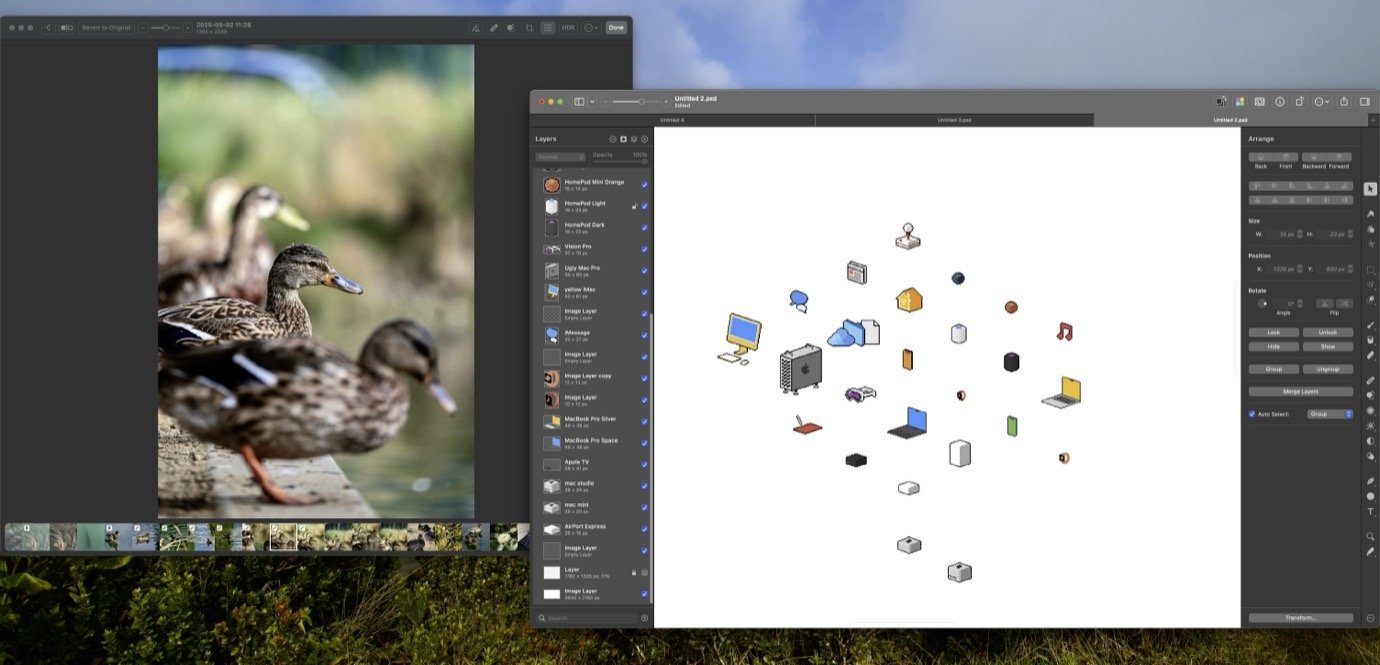
Users are still paying subscriptions at pre-acquisition rates, fueling frustration. As the source article highlights, "I’m still paying monthly... but for what?" Apple's history with acquisitions like Aperture and Shake—tools left to wither—casts a long shadow. If this trajectory continues, these apps risk becoming mere features in Apple's Photos app, eroding the prosumer niche they once dominated.
Pro Apps: Final Cut Pro's Unfulfilled Potential Even Apple's flagship pro tools aren't immune. Final Cut Pro, despite being a success story, shows cracks. Apple's own promotional videos are often edited in Adobe Premiere, not Final Cut, underscoring internal skepticism. Key features announced years ago—like multi-camera support via iPad or seamless Mac-iPad project round-tripping—remain missing. As one VFX artist pointed out, "Final Cut for iPad still lacks background export, despite iPadOS 26 enabling it." Pricing inconsistencies add to the confusion: a $300 one-time fee on Mac versus a subscription on iPad, with no unified model. This fragmentation hints at a potential shift toward a bundled Creative Cloud-style suite, which could alienate longtime users wary of recurring costs.
The Bigger Picture: Trust and the Developer Exodus Apple's app stagnation isn't just inconvenient—it's strategic. These tools are often trotted out to demo hardware like Apple Silicon or Apple Intelligence, yet receive scant resources otherwise. This cycle risks a loss of trust, especially among developers who rely on consistent updates for security and innovation. If Pixelmator-style slowdowns persist, professionals may flee to rivals like Adobe or DaVinci Resolve, weakening Apple's ecosystem. The company must clarify its vision: Are these apps genuine creative partners, or just marketing props? As updates dwindle and subscriptions feel unjustified, that question grows louder, threatening to turn Apple's software dreams into cautionary tales.
Source: Adapted from Creative neglect: What about the apps in Apple? by Joe Rosensteel on Six Colors.
Comments
Please log in or register to join the discussion