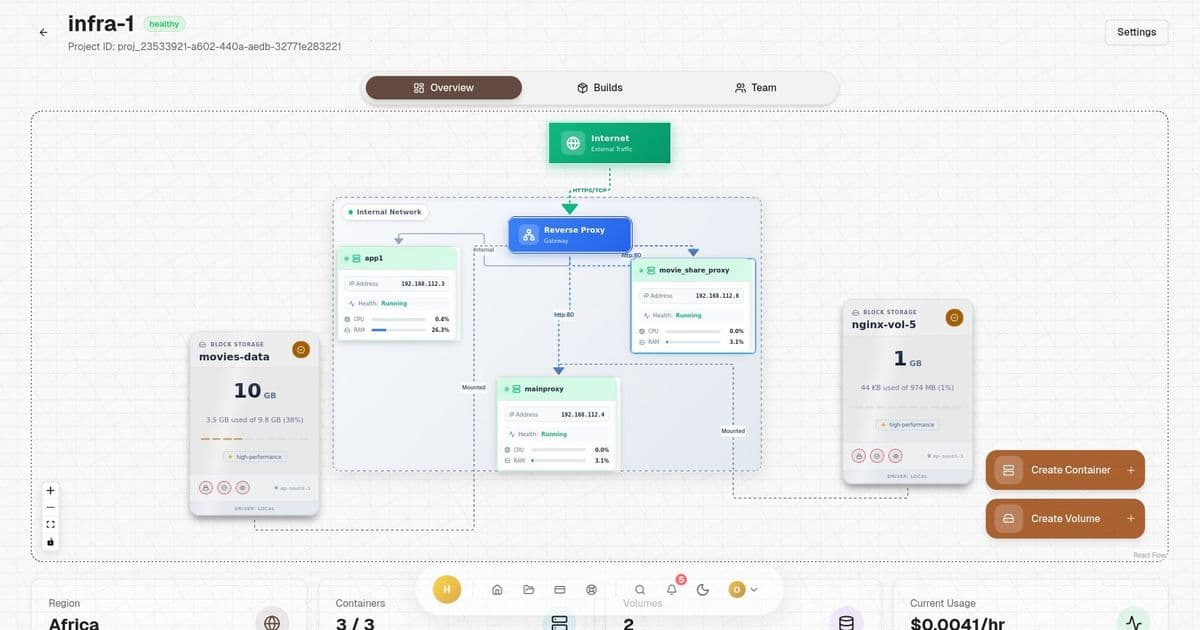
Hubfly Space has unveiled the technical architecture behind its cloud hosting platform, revealing a distributed system combining custom-built components with open-source tools like Docker and BuildKit. The design prioritizes reliability, security, and developer experience through features like encrypted storage layers, automated SSL, and isolated networking.
Modern cloud hosting platforms face immense pressure: developers demand simplicity and speed, while workloads require enterprise-grade security, scalability, and resilience. Hubfly Space, positioning itself as a developer-centric hosting solution, recently published a deep technical breakdown of its internal architecture—a complex orchestration of custom systems and proven open-source technologies engineered to meet these competing demands.
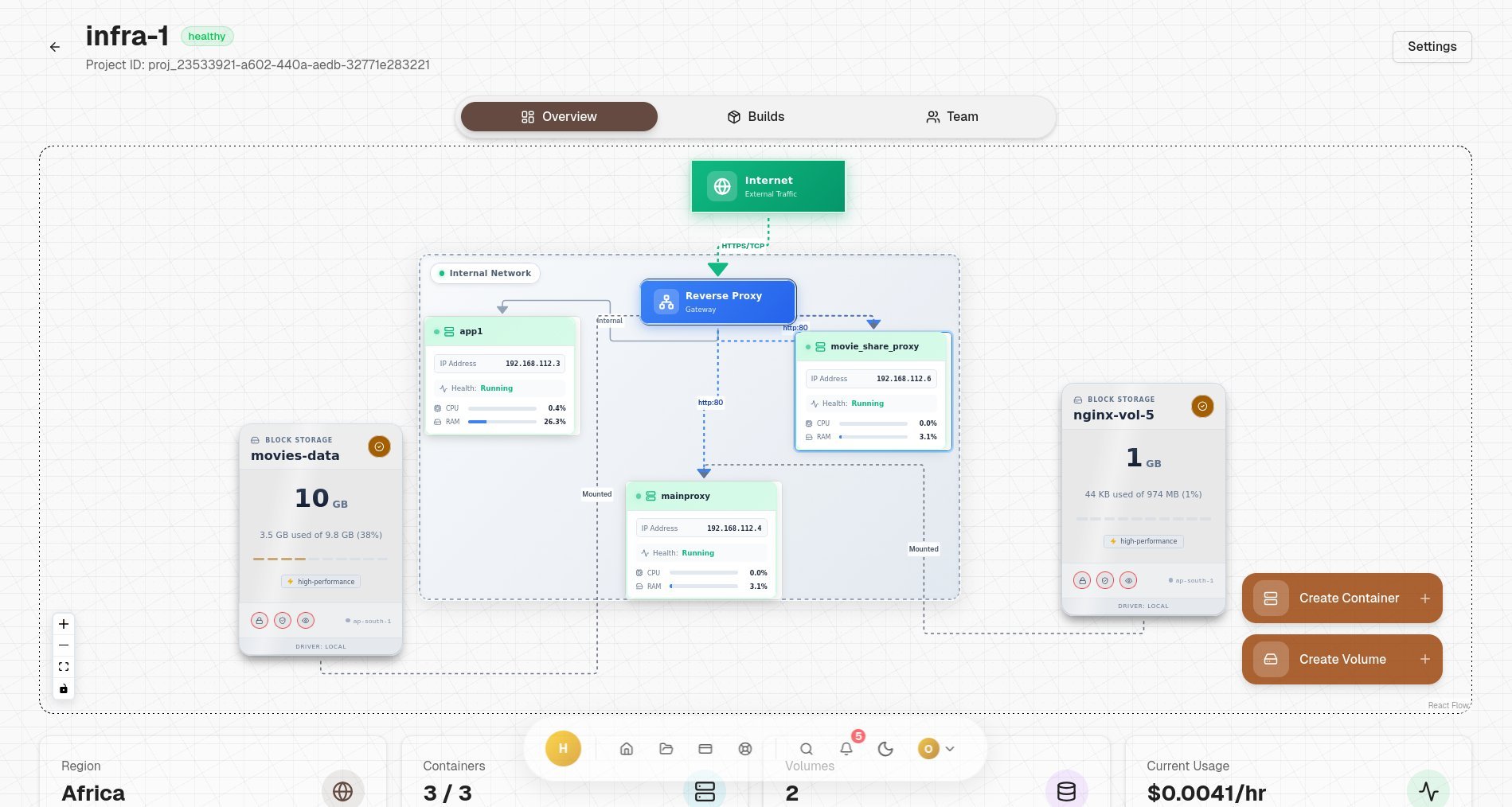
A Distributed System Engineered for Scale
At its core, Hubfly Space operates as a constellation of specialized services:
- Hubfly Space API: The central nervous system coordinating all platform operations.
- Docker Engine: Executing user project containers within isolated, private networks.
- HubLock + Hubfly-Storage: Providing a robust virtual file system with encryption at rest and in transit.
- Hubfly-Builder: Managing container image construction using BuildKit for efficiency.
- Hubfly Reverse Proxy: Handling routing, automated SSL termination (via Certbot), and traffic analytics.
- Harbor Registry: Storing images and performing automated vulnerability scanning.
- Grafana/Prometheus: Delivering comprehensive system monitoring and observability.
- HubTunnel: Enabling secure, temporary access to internal containers without public exposure.
This modular design ensures scalability and fault tolerance, allowing components to be optimized and scaled independently.
Deep Dive: Core Innovations
HubLock & Hubfly-Storage: The Encrypted Foundation HubLock acts as the bedrock storage layer, offering developers a virtual file system configurable for speed or reliability. Its tight integration with the open-source Hubfly-Storage (built in Go) enables dynamic Docker volume management with precise sizing, automated cleanup, usage statistics, and even temporary web access URLs. Crucially, all data benefits from encryption both at rest and in transit.
Hubfly-Builder: Smart, Resilient Image Construction Moving beyond basic Docker builds, Hubfly-Builder leverages BuildKit for cache-efficient operations. It handles concurrent builds with configurable resource limits, persists jobs via SQLite for crash recovery, automatically generates Dockerfiles when absent, and enforces security through command allowlists and workspace cleanup. This focus on resilience and automation minimizes deployment friction.
Intelligent Routing & Security Layers The platform’s reverse proxy, built atop NGINX with a custom Go API wrapper, automates SSL certificate provisioning—eliminating a common configuration hurdle. It provides real-time analytics on traffic, IPs, bandwidth, and errors, supporting not just HTTP/S but also TCP/UDP streams essential for databases or SSH. Security is further bolstered by Harbor's image scanning and signing.
HubTunnel: Secure Access Without Exposure Recognizing developer needs for debugging and internal access, HubTunnel creates ephemeral, authenticated tunnels via the Hubfly CLI. This allows direct interaction with containers (like databases) without ever exposing them to the public internet, significantly reducing the attack surface.
Observability: Seeing the Whole System Prometheus collects detailed metrics across the platform, visualized through Grafana dashboards. This provides operators deep insights into system health and performance, with future plans including per-user dashboards and health-based scaling recommendations.
Isolation and Integration: Mimicking a Private Cloud
Each project operates within a dedicated, isolated private network. Containers communicate freely internally while the proxy manager strictly controls all external ingress traffic. This segmentation prevents cross-project interference, effectively creating a virtual private cloud environment for every user, enhancing both security and performance predictability.
Engineering for the Future
The Hubfly Space architecture represents hundreds of deliberate engineering trade-offs favoring reliability, developer experience, and security. By blending custom innovations like HubLock and Hubfly-Builder with battle-tested tools like Docker, BuildKit, NGINX, and Harbor, the platform aims to deliver enterprise-grade capabilities without sacrificing usability. The team signals intentions to open-source more components and introduce advanced tools, suggesting a commitment to evolving alongside developer needs. For teams building on Hubfly Space, this technical transparency offers confidence in a foundation explicitly engineered to scale.
Source: Technical architecture breakdown published by the Hubfly Space team (December 9, 2025).
Comments
Please log in or register to join the discussion