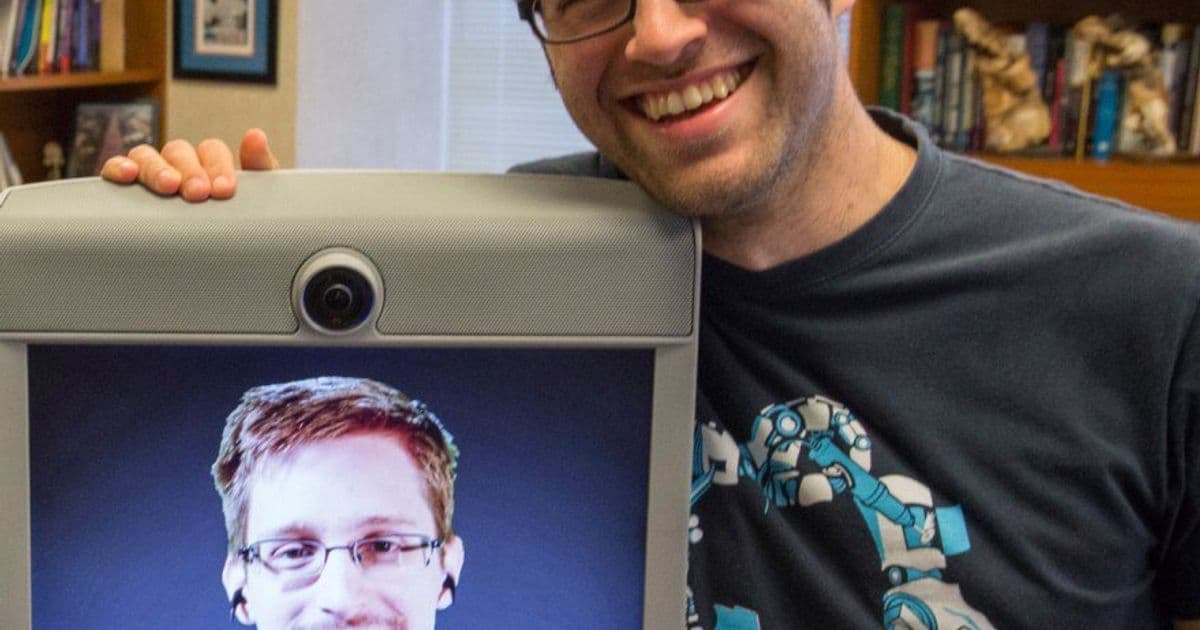
Micah Lee reveals his pivotal role as a cryptographic intermediary for Edward Snowden, detailing how GPG, Tor, and Tails were deployed to evade NSA surveillance during the 2013 leaks. This firsthand account underscores the fragility and necessity of encryption in protecting whistleblowers and reshaping digital privacy.
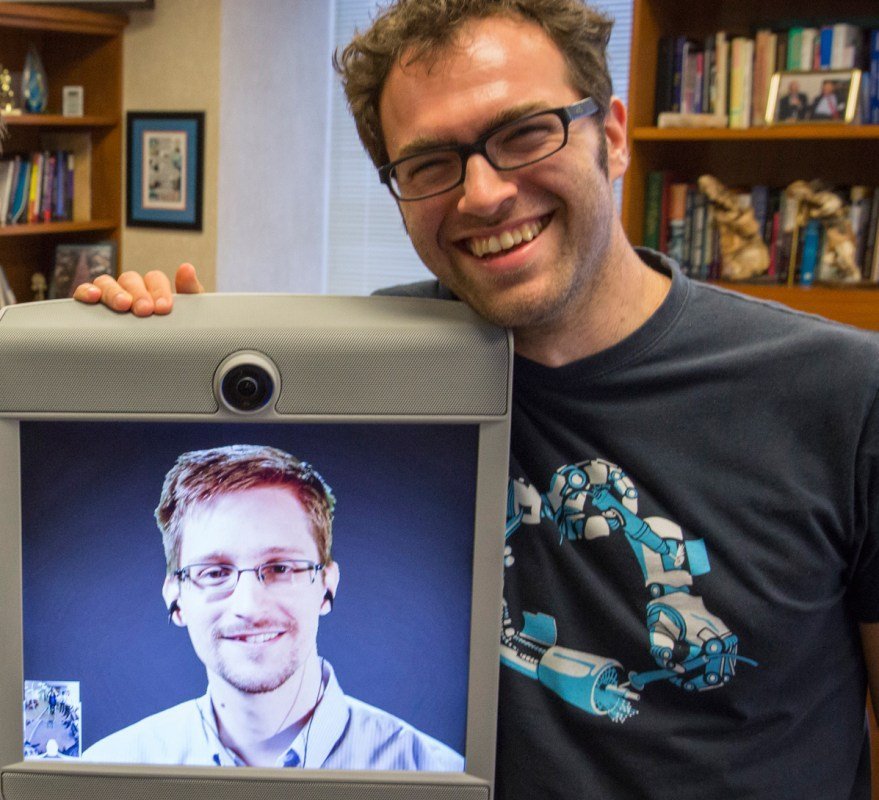
On a January evening in 2013, Micah Lee decrypted an anonymous email at his Berkeley kitchen table—a message that would alter history. The sender, later revealed as NSA contractor Edward Snowden, sought Lee's help to establish a secure channel with filmmaker Laura Poitras. What followed was a masterclass in operational security, leveraging open-source encryption tools to orchestrate one of the most significant whistleblower events of the decade.
The Encryption Lifeline
Snowden’s initial outreach exploited GNU Privacy Guard (GPG), the standard for encrypted email. Yet even experts faltered: Snowden forgot to attach his public key, forcing an unsecured reply. "This highlights GPG’s critical flaw," Lee notes. "Its complexity invites human error, creating vulnerabilities even for seasoned users." The solution involved a multi-layered approach:
- Key Verification: Snowden requested Poitras’ new GPG fingerprint via Lee’s public Twitter post—a deliberate tactic to thwart man-in-the-middle attacks. As Lee explains, "Twitter’s visibility acts as a tamper-proof ledger; altering it would risk exposure."
- Compartmentalization: Poitras created anonymous Riseup email accounts routed through Tor, ensuring no digital trail linked her identity to "Citizenfour" (Snowden’s alias).
Building Fortresses: Tails and OTR
When Snowden urged Lee to encrypt journalist Glenn Greenwald’s communications, the focus shifted to user-friendly tools. Greenwald initially resisted GPG but adopted Off-the-Record (OTR) messaging for its simplicity. Later, Lee packaged Tails—The Amnesic Incognito Live System—onto a USB drive for Greenwald. 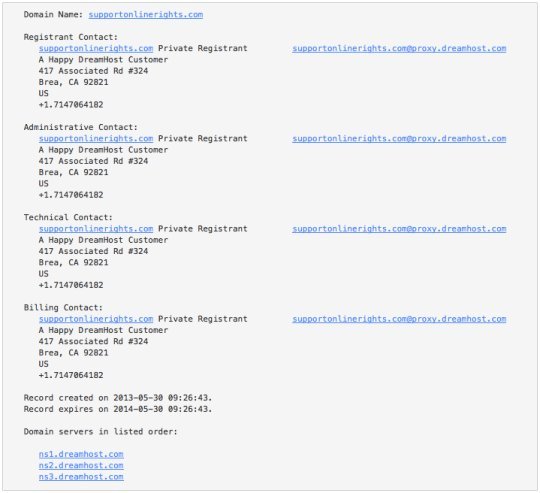
"Tails routes all traffic through Tor and runs independently of host hardware," Lee emphasizes. "It’s a sanctuary against malware and forensic inspection—a necessity for sources in hostile environments."
The thumb drive, shipped via FedEx ("Flash Drive Gift" declared on customs forms), became a symbol of analog-digital tradecraft, later appearing in Poitras’ documentary Citizenfour.
The Unlaunched Petition: A Contingency Plan
In May 2013, Snowden (using the alias "Verax") tasked Lee with building supportonlinerights.com—a petition site to mobilize anti-surveillance sentiment if he were silenced. Developed anonymously via Tails, the site faced operational hurdles. Snowden’s Tor-obscured payments triggered fraud alerts; Dreamhost initially rejected his credit cards until he convinced support he was "a traveler distrusting local ISPs." {{IMAGE:5}}
The site’s #HiNSA hashtag strategy aimed to virally amplify visibility, but became obsolete when Snowden’s public emergence shifted focus to policy debates. "The threat of his arrest receded," Lee reflects, "and with it, the need for a digital rallying cry."
Legacy: Encryption’s Renaissance
Snowden’s leaks catalyzed a cybersecurity evolution. His mantra—"Encryption works. Properly implemented strong crypto systems are one of the few things you can rely on"—ignited global efforts to harden endpoints and audit open-source tools. Lee’s subsequent 30-page whitepaper, Encryption Works, distilled these protocols for wider adoption.
Today, as surveillance lawsuits advance and corporations prioritize user privacy, Lee’s narrative underscores a enduring truth: in an era of state overreach, robust cryptography isn’t just technical—it’s foundational to democratic accountability. "The tools exist," he concludes. "Their power lies in the hands of those brave enough to wield them."
Source: The Intercept
Comments
Please log in or register to join the discussion