A first-hand account reveals the jarring disconnect between Silicon Valley's prosperity and San Francisco's homelessness infrastructure through the eyes of a former startup employee.
Last week's Super Bowl activations transformed San Francisco into what Michael McIntosh describes as "a vice-centric Disneyland for the rich and famous." As workers erected lavish installations for DraftKings, Spotify, and Bud Light, McIntosh—a former first employee at a startup that sold for $350 million—was simultaneously navigating the city's homeless shelter system. His recently published Substack chronicle exposes disturbing patterns in how society's most vulnerable fall through the cracks within walking distance of tech's gleaming monuments.
The narrative pivots around visceral contrasts: exiting the Civic Center BART station with rainwater soaking through worn shoes, then gazing up at Salesforce Tower—"a giant glass needle that penetrates the clouds" symbolizing a system "that monetizes human connection." McIntosh arrived there in March 2025 with no phone, no money, and an empty backpack after months of untreated psychosis.
His encounters with homelessness services reveal systemic absurdities:
- Dignity Moves Shelter: Staff treated him as "an invasive species," refusing in-person assistance despite his physical presence
- Sobriety Paradox: Rejected from addiction-focused shelters precisely because he wasn't an addict
- Thermometer Theater: At a Quaker shelter, staff recorded his temperature as 94°F without questioning the physiological impossibility
"It reaffirmed a delusion that had previously gripped my mind," McIntosh writes. "I must be dead. This place, purgatory." The flawed temperature readings became symbolic of broader systemic detachment—officials going through motions without comprehending reality.
The survival mechanics McIntosh developed highlight resourcefulness amid scarcity:
- Mission-Based Structure: Breaking days into concrete objectives (find shower → laundry → food)
- Identity Pragmatism: Temporarily identifying as female to access gender-restricted services
- Purgatory Ethics: Abandoning anti-theft principles after repeated institutional failures
A pivotal moment comes during his self-representation in felony court. When his public defender warned "You might not even be allowed to represent yourself," McIntosh—recognizing the Kafkaesque nature of his circumstances—chose to defend himself against charges carrying 3-5 year sentences.
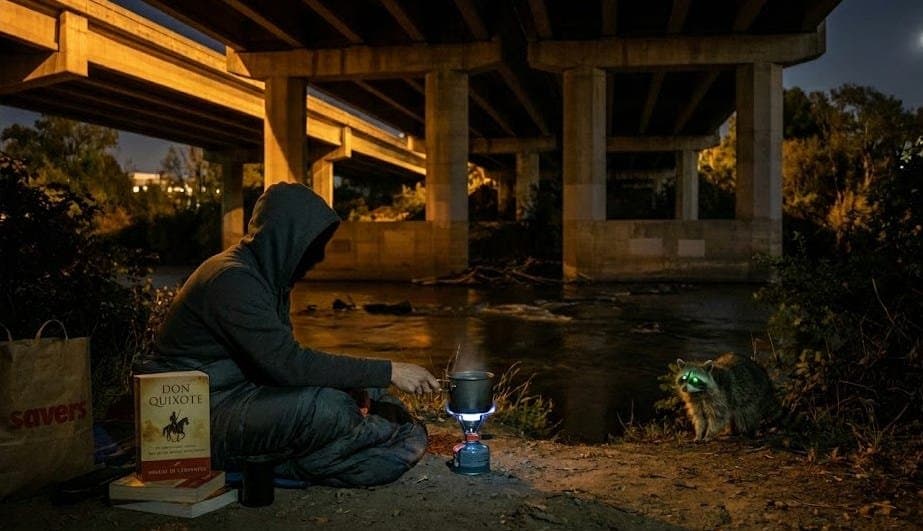
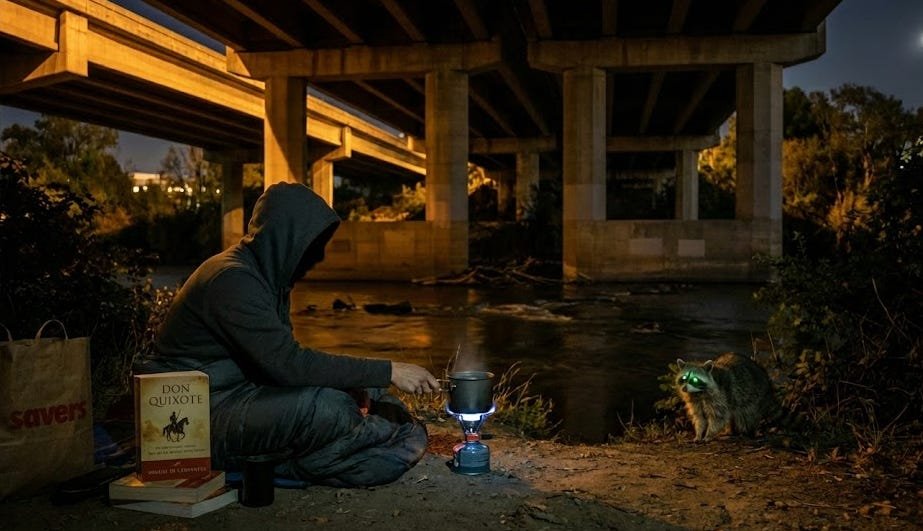
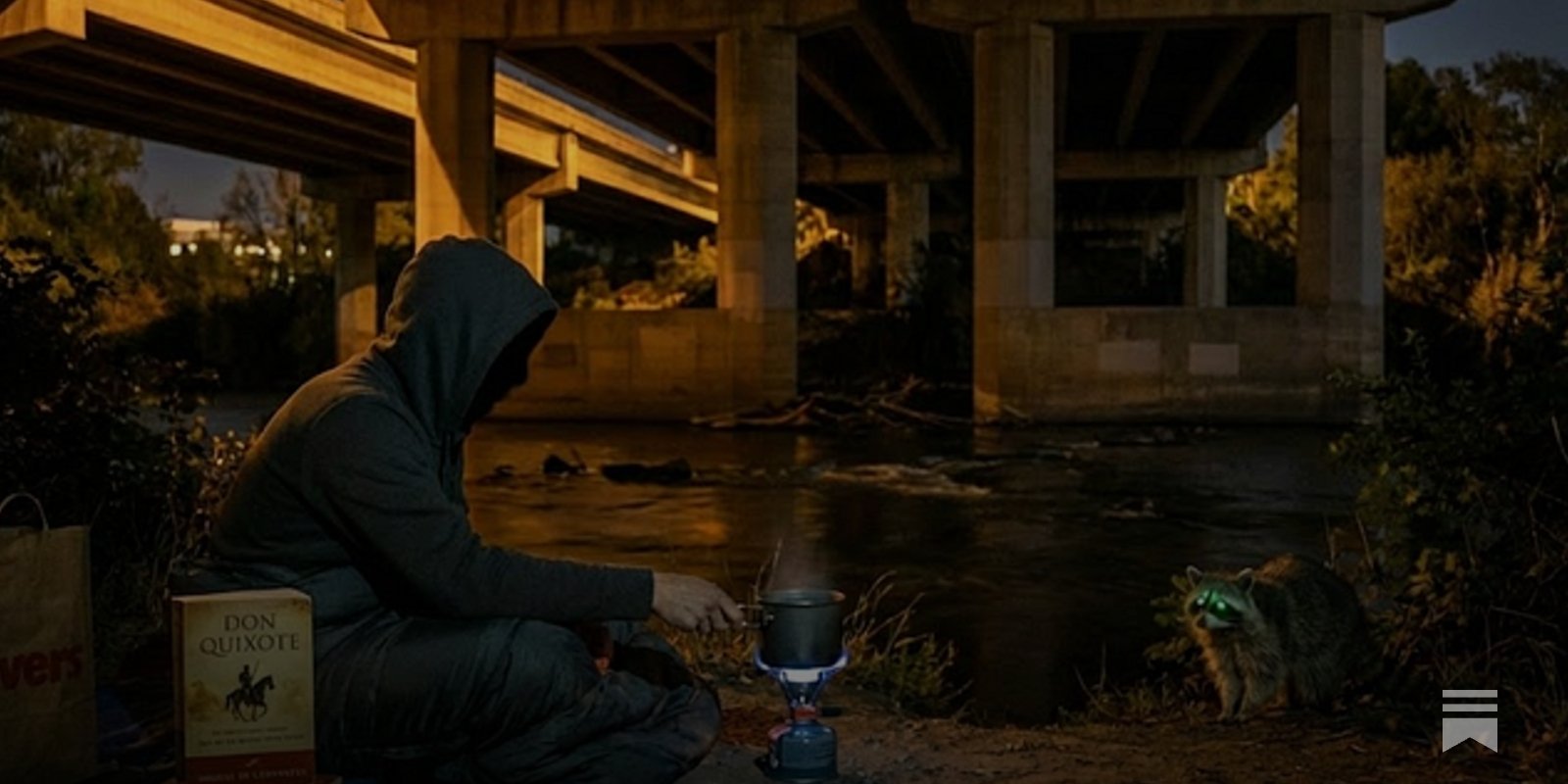
The narrative's most jarring juxtaposition occurs beneath a Redwood City bridge. As McIntosh cooked stolen taro and steak on a portable stove, he realized his campsite neighbored an office where former colleagues were raising $140 million for a robotics startup. "A stone's throw away from a future that could have been," he observes, highlighting Silicon Valley's cruel proximity gradients.
McIntosh's account raises urgent questions about tech's societal responsibilities:
- How do corporate monuments like Salesforce Tower coexist with collapsing social services?
- Why do shelter systems prioritize bureaucratic processes over human presence?
- What happens when tech workers benefiting from equity windfalls become system casualties?
The story concludes with hard-won agency: "I could defend myself. I could fend for myself. I could survive." Yet this individual resilience underscores systemic failure—a reality that persists while $140 million flows to robots just across the river.
Comments
Please log in or register to join the discussion