India hosts global AI leaders amid industry disruption fears, South Korea faces a landmark ruling on former President Yoon's insurrection charge, and Indonesia navigates monetary policy shifts during critical U.S. trade negotiations.
India's AI Ambition Meets Market Reality
India launches its five-day AI Impact Summit in New Delhi today, convening OpenAI CEO Sam Altman, Google's Sundar Pichai, and Anthropic's Dario Amodei. The event aims to solidify India's position as a global AI hub under Prime Minister Narendra Modi's "Digital India" initiative. This push comes amid significant strain on India’s $245 billion IT services sector, where stock valuations for giants like Infosys and Wipro have declined 18-22% over the past month. Analysts attribute this to investor concerns about generative AI displacing traditional outsourcing revenue streams, which contributed 7.4% to India’s GDP in 2025. The summit will address strategies to retrain 5 million workers for AI-driven roles by 2030 while developing regulatory frameworks for ethical deployment.
South Korea’s Constitutional Crisis Culminates
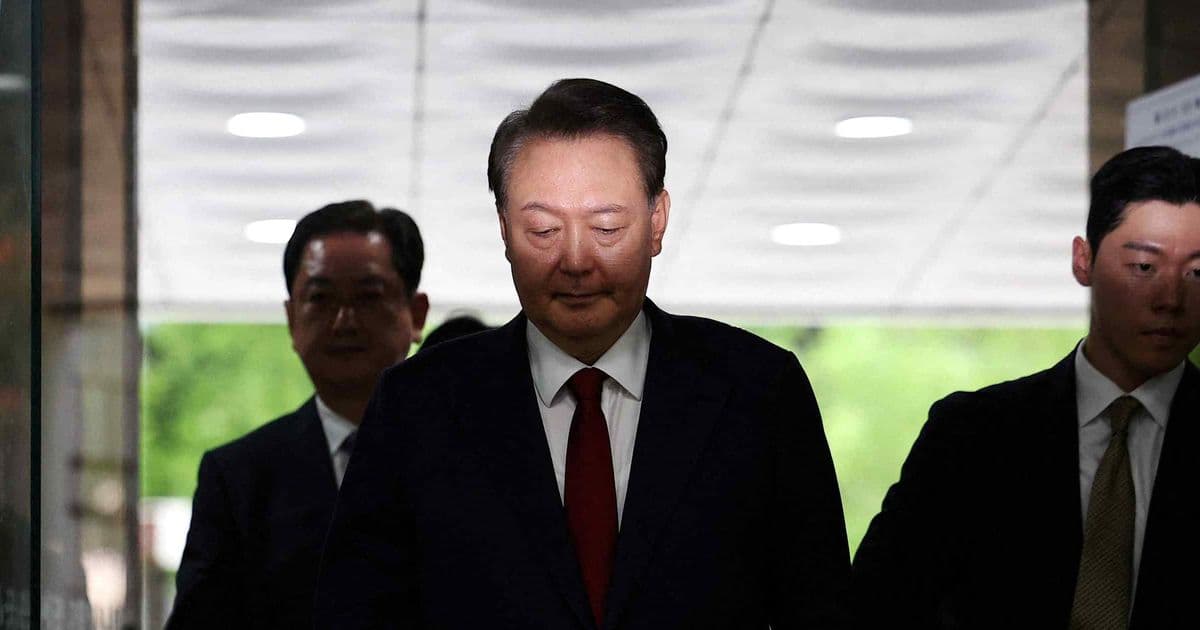
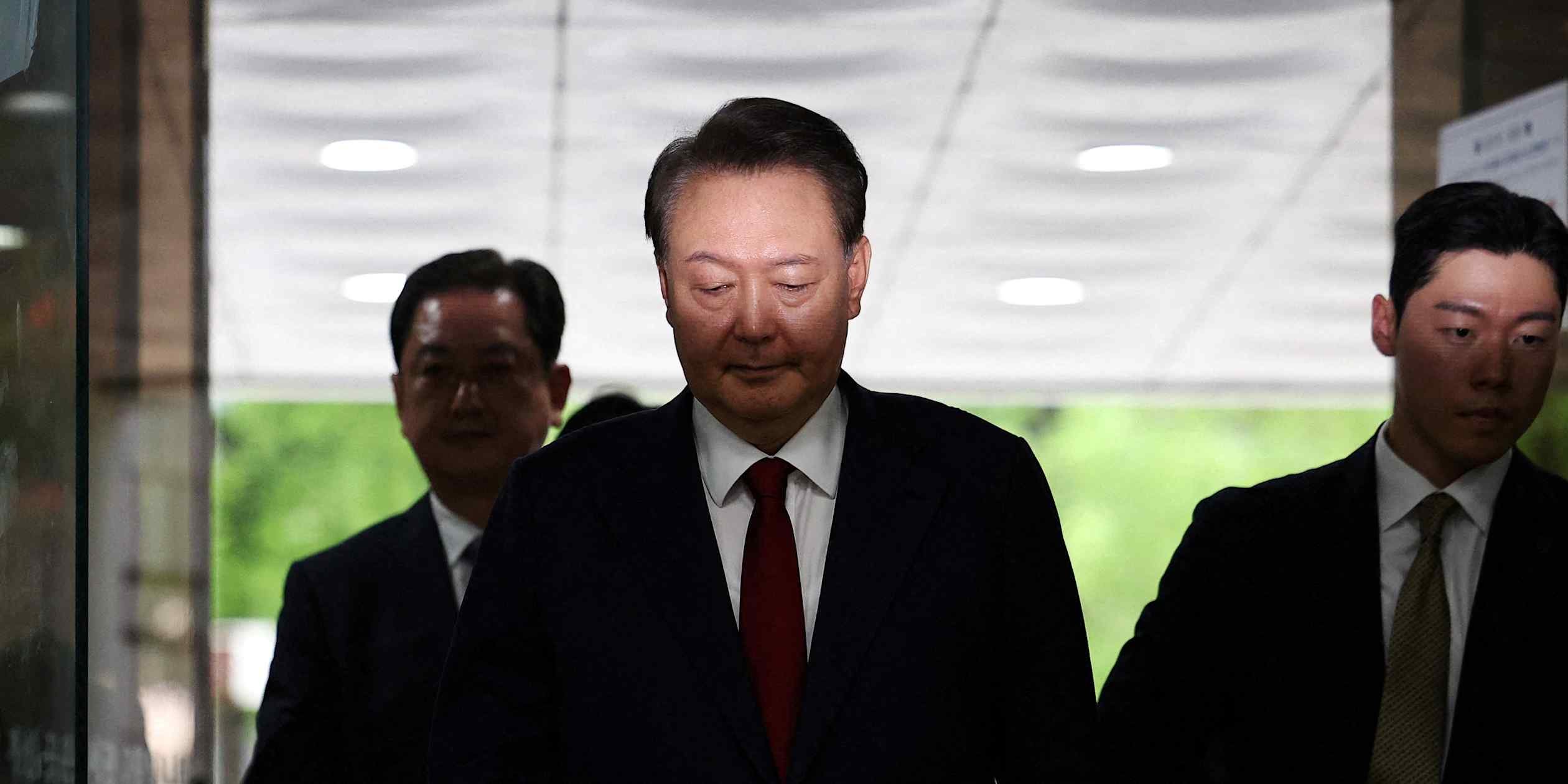
On Thursday, Seoul’s Central District Court will deliver its verdict on former President Yoon Suk Yeol’s insurrection charge, stemming from his 2024 imposition of martial law. Yoon already serves a five-year sentence for obstruction of justice, but the insurrection charge carries potential life imprisonment. The ruling coincides with parliamentary debates on revising the National Security Act, which currently criminalizes expressions of support for North Korea. Business groups warn prolonged political instability could jeopardize foreign investment, with the Korea Chamber of Commerce noting a 14% quarterly drop in venture capital inflows since Yoon’s arrest. The verdict may trigger appeals extending into 2027, maintaining uncertainty over corporate governance reforms.
Indonesia’s Economic Balancing Act
Bank Indonesia faces pressure to continue monetary easing as President Prabowo Subianto finalizes tariff negotiations with the U.S. The central bank is expected to cut its benchmark rate by 25 basis points to 5.75% on Thursday, extending a 125-basis-point reduction cycle started in 2025. This aims to stimulate lending amid sluggish credit growth, which registered just 8.3% year-on-year in Q4 2025. Concurrently, Prabowo will sign a trade agreement exempting Indonesian palm oil, rubber, and cocoa from U.S. tariffs that previously reached 19%. The deal could boost exports by $3.2 billion annually according to trade ministry projections, though palm oil shipments remain contentious due to EU deforestation concerns.
Regional Economic Indicators
- Japan: Preliminary Q4 GDP shows 1.5% annualized growth, recovering from Q3’s contraction but still constrained by U.S. tariffs affecting 12% of exports.
- Thailand: 2025 GDP growth slowed to 2.8% (from 3.7% in 2024) as household debt hit 91% of GDP and Cambodian border disputes disrupted supply chains.
- Philippines: Bangko Sentral expected to hold rates at 6.25% despite inflation easing to 3.1%, prioritizing currency stability.
Geopolitical Crosscurrents
French President Emmanuel Macron’s three-day India visit starting Tuesday includes finalizing the purchase of 114 Rafale jets, a $15 billion defense deal enhancing Indo-Pacific security cooperation. Meanwhile, Indonesia joins 27 nations at the inaugural U.S.-led Board of Peace summit, focusing on Gaza reconstruction but potentially reshaping Asian diplomatic alignments.
Market Implications
The AI summit’s outcomes will dictate whether India can transform its tech workforce ahead of projected 40% automation in business process outsourcing by 2030. For South Korea, the Yoon verdict’s severity will influence corporate sentiment toward regulatory reforms. Indonesia’s rate decision and U.S. trade terms will determine near-term export growth trajectories amid volatile commodity prices.
Comments
Please log in or register to join the discussion