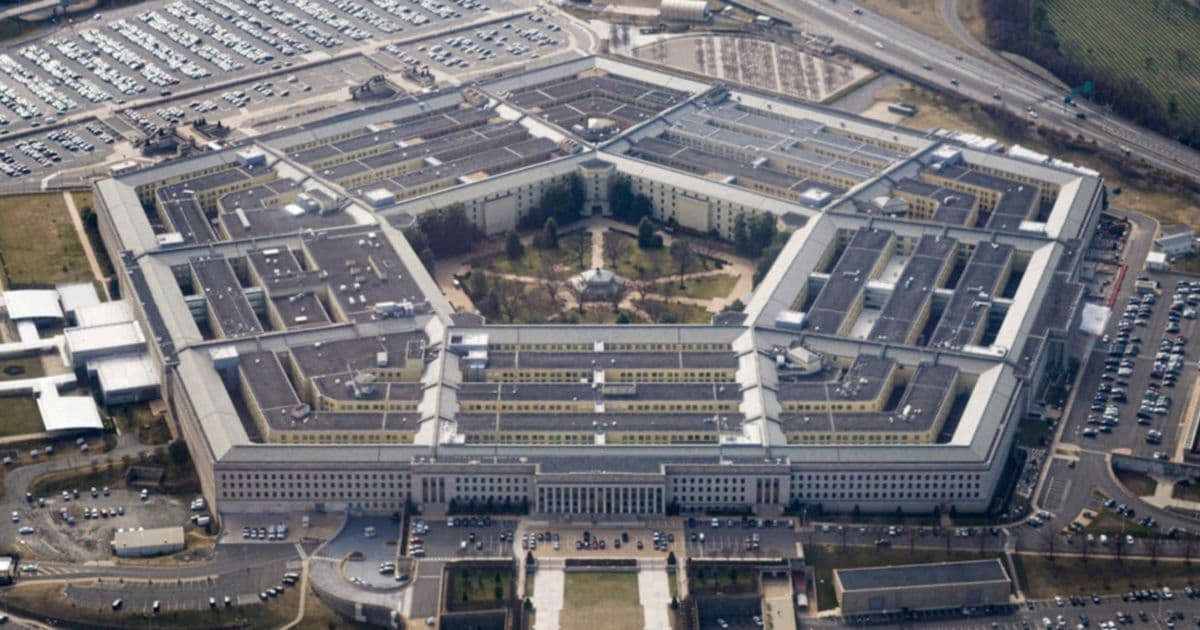
The Pentagon briefly published and then removed a list of Chinese companies allegedly tied to military activities, including major firms like Alibaba and BYD, raising questions about the list's purpose and potential diplomatic consequences.
The U.S. Department of Defense has withdrawn a controversial list of Chinese companies allegedly tied to military activities, just minutes after publishing it with major additions including tech giant Alibaba and electric vehicle maker BYD. The 1260H list, which could have significantly strained U.S.-China relations, was removed without explanation on February 14, 2026, after causing immediate reputational concerns for the businesses named.
Brief Publication Sparks Immediate Concerns
The list's brief appearance online before its removal highlights the sensitive nature of U.S. efforts to identify and restrict companies with alleged military connections in China. While the Pentagon has not provided official comment on why the list was withdrawn, the inclusion of high-profile companies like Alibaba and BYD suggests the potential for significant diplomatic and economic repercussions had it remained public.
Alibaba, one of China's largest technology companies and a global e-commerce leader, and BYD, a major electric vehicle manufacturer that has expanded significantly in international markets, represent substantial economic interests that could be affected by such designations. The reputational damage from being listed as having military ties, even without formal sanctions, can impact business relationships and market access.
Context of U.S.-China Economic Tensions
This incident occurs against a backdrop of ongoing tensions between the United States and China over technology, trade, and military competition. The Pentagon's list is part of broader U.S. efforts to restrict Chinese companies with alleged military connections from accessing American technology and markets.
Recent developments in U.S.-China relations include:
- The U.S. Senate passing defense legislation targeting China in biotechnology and investment sectors
- States targeting Chinese tech companies over consumer protection concerns
- Ongoing debates about rare earth mineral supplies and semiconductor technology
- Increased scrutiny of Chinese companies operating in Western markets
Implications for Business and Diplomacy
The withdrawal of the list raises questions about the process and criteria used to identify companies with alleged military ties. For businesses like Alibaba and BYD, the brief appearance on such a list could have lasting effects on their international operations and partnerships, even without formal designation.
This incident also underscores the delicate balance the U.S. government must strike between national security concerns and maintaining stable economic relationships with China. The rapid withdrawal suggests potential reconsideration of the list's contents or timing, possibly due to diplomatic considerations or concerns about the evidence supporting the allegations.
Broader Market Impact
The news of the list's publication and withdrawal comes amid other significant developments in the electric vehicle and technology sectors. European companies have been adopting BYD and Yutong buses despite security concerns, while Toyota recently replaced its CEO in a surprise move. These parallel developments highlight the complex interplay between security concerns, business interests, and technological competition in the U.S.-China relationship.
As tensions continue to evolve, companies operating across the U.S.-China divide will need to navigate an increasingly complex regulatory and reputational landscape. The incident serves as a reminder of the potential for sudden changes in how businesses are perceived and regulated based on national security considerations.
The Pentagon's decision to withdraw the list without explanation leaves many questions unanswered about the future of such designations and their impact on U.S.-China economic relations. As both countries continue to compete for technological and economic dominance, incidents like this highlight the ongoing challenges of balancing security concerns with economic interests in an interconnected global economy.
Comments
Please log in or register to join the discussion