
Japan plans to provide Vietnam with over $10 billion in yen loans over five years for infrastructure projects including subway extensions and gas-fired power plants, aiming to secure business opportunities for Japanese companies while countering Chinese influence in Southeast Asia.
Japan is set to provide Vietnam with over $10 billion in yen loans over the next five years, targeting critical infrastructure projects that will reshape the Southeast Asian nation's transportation and energy sectors while creating substantial business opportunities for Japanese companies.
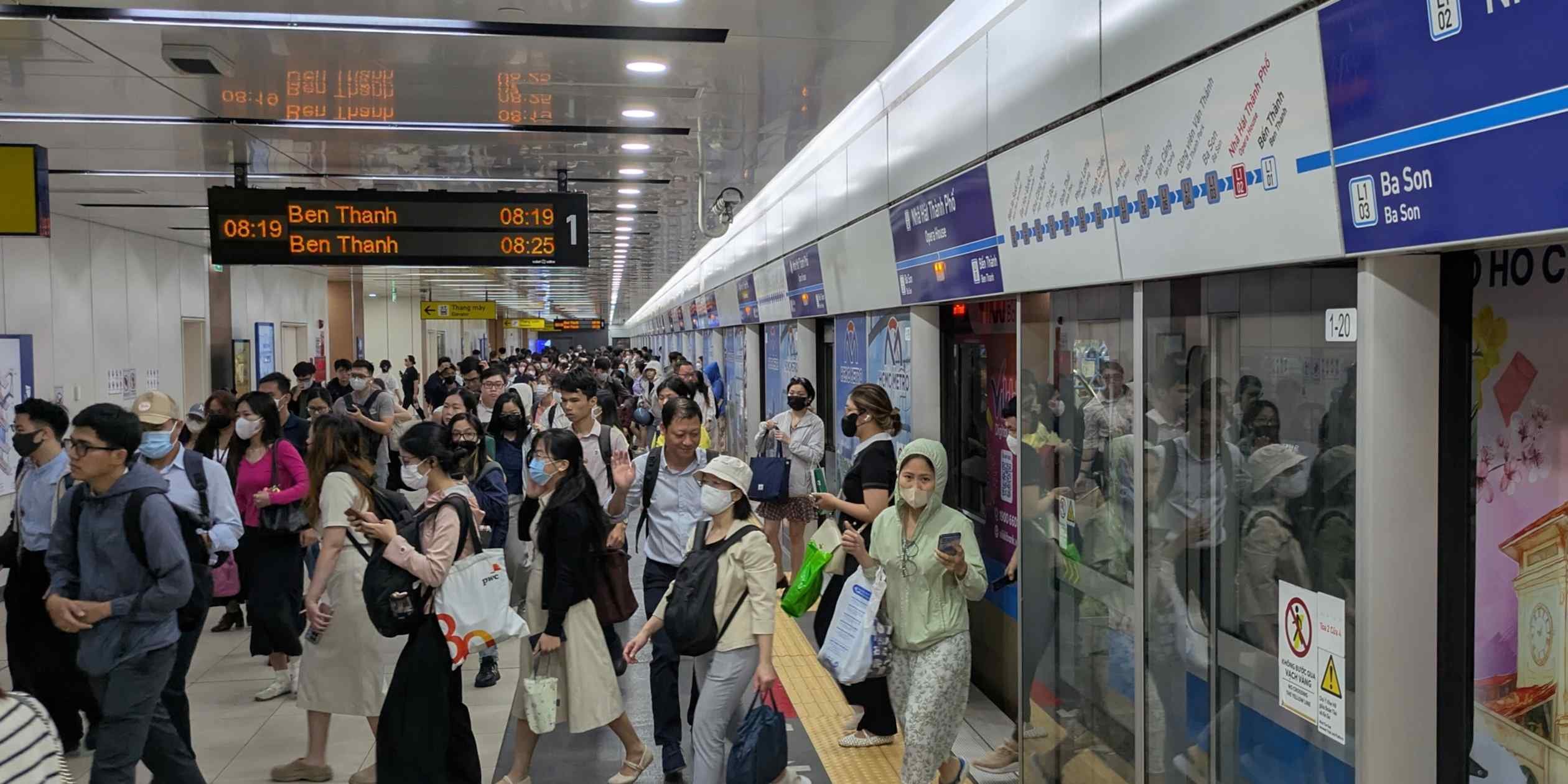
The financing package, which will support projects including subway extensions in Ho Chi Minh City and gas-fired power plants, represents a significant escalation in Japan's economic engagement with Vietnam. This move comes as Tokyo seeks to strengthen ties with one of Southeast Asia's fastest-growing economies while countering China's expanding influence in the region.
Vietnam's first subway line in Ho Chi Minh City, which opened recently after years of delays and cost overruns, will be extended using part of these yen loans. The initial line has already demonstrated its value, saving commuters significant time despite ongoing operational challenges. The extension will further integrate the city's transportation network and support its rapid urbanization.
The gas-fired power plant component of the loan package addresses Vietnam's growing energy needs as its economy expands at one of the fastest rates in Asia. With industrialization accelerating and electricity demand surging, Vietnam needs to diversify its energy mix beyond coal while maintaining reliable baseload power generation.
This financing strategy follows a pattern Japanese companies have successfully employed across Southeast Asia. By providing development loans tied to procurement from Japanese firms, Tokyo ensures that its corporations benefit from infrastructure investments while building long-term relationships with partner countries.
The timing is particularly significant given the current competitive landscape in Vietnam. Japanese companies have recently reported facing stiffer competition from Chinese counterparts, according to JETRO surveys. This loan package represents a strategic response to maintain Japan's competitive position in one of Southeast Asia's most dynamic markets.
Vietnam's economic trajectory makes it an attractive partner for Japan. The country has consistently posted GDP growth rates above 6% in recent years, driven by manufacturing exports, foreign investment, and a young, increasingly skilled workforce. Its strategic location along key shipping routes and membership in various trade agreements further enhance its appeal.
The loan package also reflects broader geopolitical considerations. As the United States and China compete for influence in Southeast Asia, Japan is positioning itself as a reliable partner offering development assistance without the political strings often associated with Chinese financing. This approach has gained traction among Southeast Asian nations seeking to balance relationships with major powers.
For Japanese companies, the infrastructure investments create a pipeline of opportunities. Construction firms, engineering consultants, equipment manufacturers, and technology providers stand to benefit from the projects funded by these loans. The subway extensions will require rolling stock, signaling systems, and ongoing maintenance services, while the power plants will need turbines, control systems, and operational expertise.
The five-year timeline for the loan disbursement suggests a sustained commitment to Vietnam's development rather than a one-time intervention. This long-term approach allows Japanese companies to plan investments and build local partnerships, creating deeper economic integration between the two countries.
Vietnam's infrastructure needs remain substantial as it continues its development trajectory. Beyond the immediate projects, the country requires extensive improvements in ports, airports, highways, and urban transportation systems to support its economic ambitions. The yen loans could serve as a catalyst for additional Japanese investment in these sectors.
This financing initiative also aligns with Japan's broader regional strategy of promoting what it calls "high-quality infrastructure." Unlike some alternatives that focus primarily on speed and cost, Japan emphasizes sustainability, safety, and long-term operational efficiency in its infrastructure projects.
The $10 billion commitment represents one of Japan's largest bilateral loan packages to a single country in recent years, underscoring the strategic importance Tokyo places on its relationship with Hanoi. As both nations navigate an increasingly complex regional environment, this economic partnership provides a foundation for cooperation that extends beyond infrastructure into areas like supply chain resilience, technology transfer, and human capital development.
For Vietnam, the yen loans offer an opportunity to accelerate its infrastructure development while maintaining relationships with multiple partners. The country has skillfully balanced relations with major powers, and this Japanese financing package adds another dimension to its economic diplomacy strategy.
The success of this initiative could serve as a model for Japan's engagement with other Southeast Asian nations, potentially leading to similar arrangements with countries like Indonesia, the Philippines, and Thailand. As regional infrastructure needs remain substantial and competition for influence continues, Japan's approach of combining development finance with business opportunities may become increasingly attractive to Southeast Asian governments seeking sustainable growth pathways.
Comments
Please log in or register to join the discussion