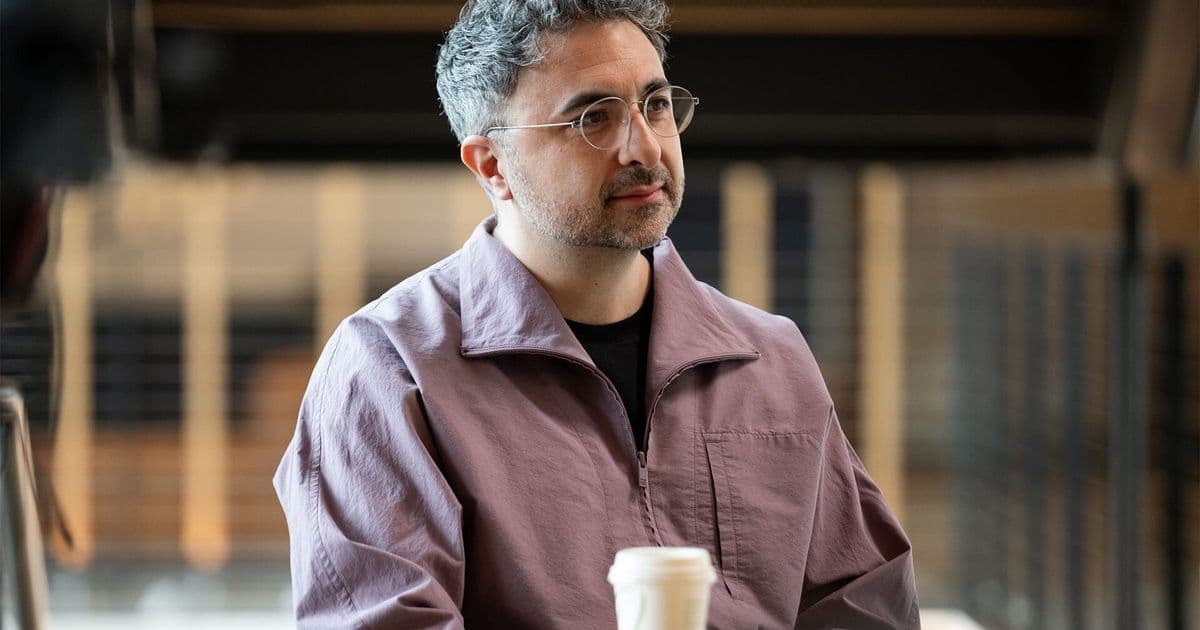
Microsoft AI CEO Mustafa Suleyman claims AI will achieve human-level performance on most professional tasks within 12-18 months, potentially automating white-collar work across industries.
Microsoft AI chief executive Mustafa Suleyman has made a bold prediction about the future of work, claiming that artificial intelligence will be capable of replacing most white-collar jobs within the next 12 to 18 months. The statement came during a YouTube interview with the Financial Times, where Suleyman discussed Microsoft's ambitious goal of achieving "humanist superintelligence."
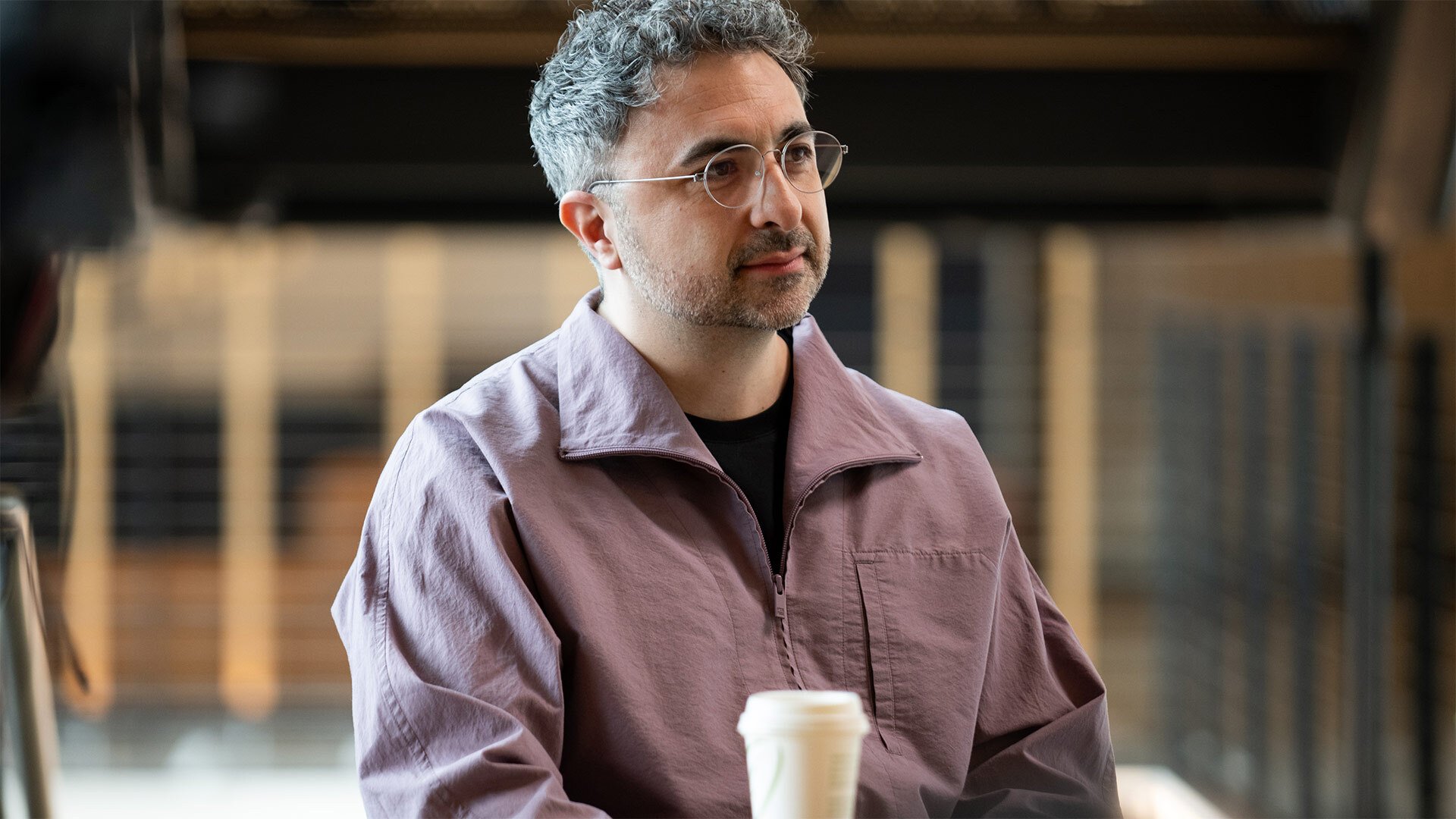
During the conversation, Suleyman introduced the concept of "artificial capable intelligence" (ACI) as a developmental phase between current large language models (LLMs) and the more advanced Artificial General Intelligence (AGI). When pressed about the timeline for achieving human-level performance on professional tasks, Suleyman stated: "I think we're going to have a human-level performance on most, if not all, professional tasks. So, white-collar work, where you're sitting down at a computer — either being, you know, a lawyer, or an accountant, or a project manager, or a marketing person — most of those tasks will be fully automated by an AI within the next 12 to 18 months."
This prediction aligns with similar forecasts from other tech industry leaders. Anthropic CEO Dario Amodei recently claimed that AI could eliminate half of all entry-level white-collar jobs within five years. Ford CEO Jim Farley has also expressed concerns, stating that "AI will leave a lot of white-collar people behind."
Academic research has begun to quantify these potential impacts. An MIT simulation suggests that AI could replace 11.7% of U.S. workers across multiple industries, not just in technology sectors. However, the actual implementation and effectiveness of AI in enterprise settings remain subjects of debate.
Some researchers have questioned the extent of AI's current impact on employment. While there were claims of increased AI-driven layoffs last year, certain studies suggest these were more likely attributable to poor business performance rather than genuine AI capabilities. An MIT study found that 95% of enterprise use of generative AI had no measurable impact on profit and loss, while a PricewaterhouseCoopers report indicated that 55% of chief executives saw no benefits from deploying AI tools.
Despite these mixed results, Suleyman remains confident about AI's potential applications. He envisions a future where "there are going to be billions of digital minds" and "many, many different lineages of model." According to Suleyman, creating new AI models will become as commonplace as "creating a podcast or writing a blog," with the ability to design AI systems tailored to the specific requirements of every institution, organization, and individual on the planet.
The rapid advancement of AI technology continues to spark debate about its implications for the workforce, economic structures, and society at large. As companies like Microsoft push toward increasingly sophisticated AI capabilities, the tension between technological progress and its human impact remains a central concern for policymakers, business leaders, and workers alike.
While the timeline for widespread AI automation remains uncertain, the technology's trajectory suggests significant changes to the nature of work in the coming years. Whether Suleyman's 12-18 month prediction proves accurate or overly optimistic, the conversation around AI's role in the workplace is likely to intensify as these technologies continue to evolve and integrate into various industries.
Comments
Please log in or register to join the discussion