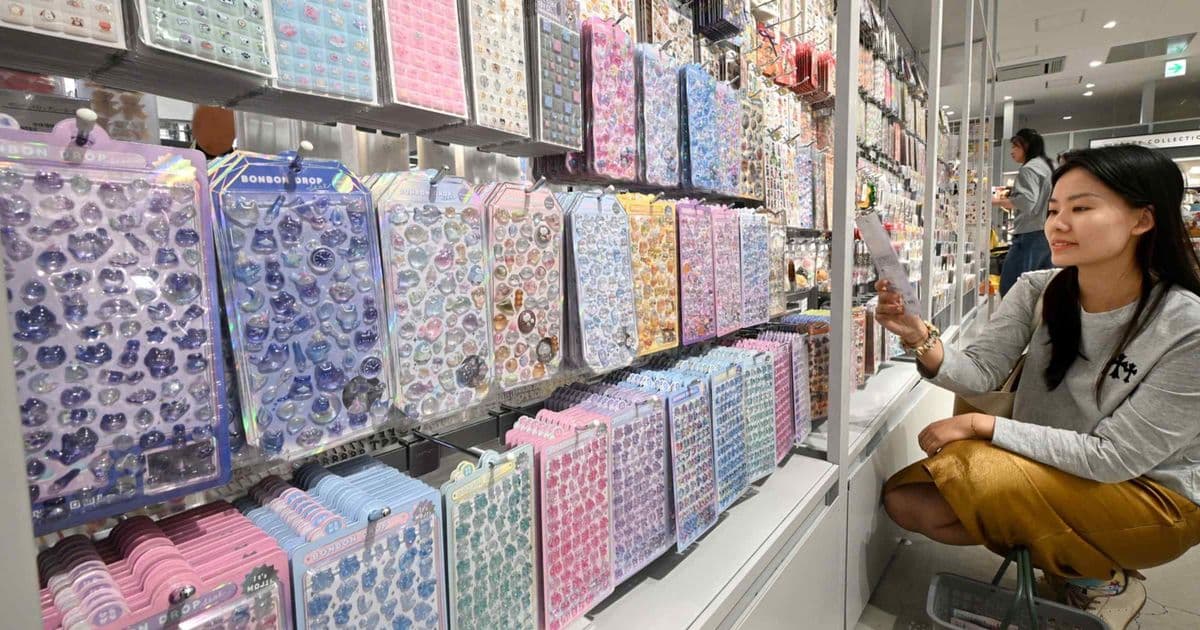
Japan's Bonbon Drop sticker craze has forced major retailers to halt sales as resale prices skyrocket and counterfeits flood the market, creating a retail crisis that mirrors the Labubu phenomenon.
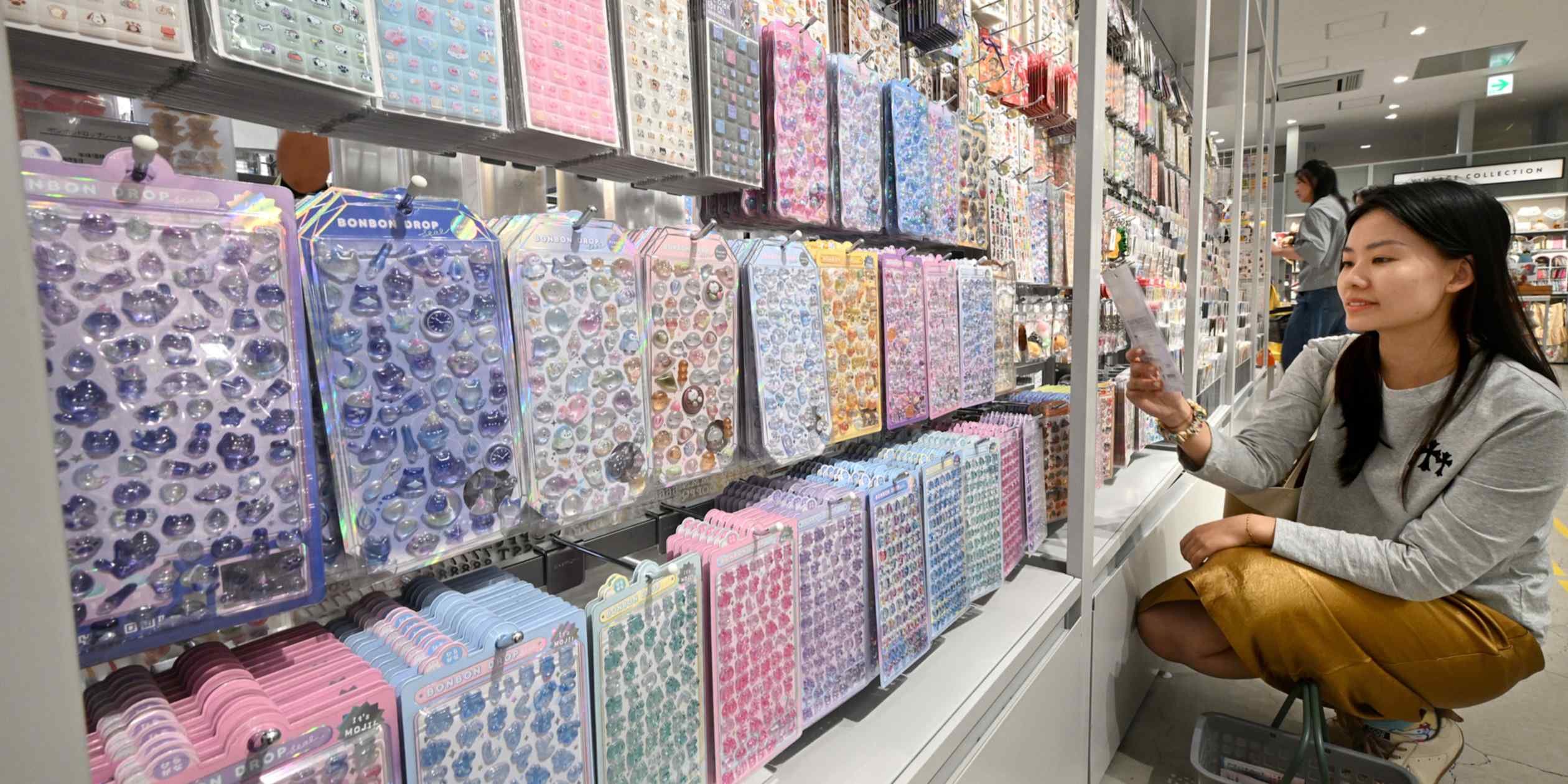
Japan's retail sector is grappling with an unexpected crisis as Bonbon Drop stickers—cute, puffy adhesive decorations—have sparked a nationwide frenzy that's forcing stores to suspend sales, battling counterfeit products, and fueling a booming black market where prices have skyrocketed.
The Sticker That Stopped Sales
The mania began quietly but quickly escalated into a retail nightmare. Major Japanese retailers, including the popular lifestyle store Loft, have been forced to pause sales entirely as crowds overwhelmed stores and created safety concerns. The situation mirrors similar collectible crazes that have periodically swept Japan, but the speed and intensity of this particular phenomenon have caught many retailers off guard.
According to reports from Nikkei staff writers Yukihiro Okamura and colleagues, the secondary market for these stickers has exploded, with resale prices reaching multiples of the original retail cost. This price inflation has created a perfect storm: consumers desperate to obtain the stickers, opportunistic resellers capitalizing on scarcity, and counterfeiters rushing to fill the demand gap.
A Pattern of Collectible Crazes
The Bonbon Drop phenomenon isn't occurring in isolation. Japan has seen a series of similar collectible manias in recent years, each following a predictable pattern of initial scarcity, social media amplification, and eventual market saturation.
Just months ago, the Labubu doll craze swept through Asia, with the character becoming a must-have item among young consumers. Before that, the K-Pop Demon Hunters merchandise created similar retail chaos. These trends often start with limited releases, creating artificial scarcity that drives demand through social media platforms where collectors showcase their acquisitions.
The Counterfeit Crisis
As with previous collectible frenzies, counterfeit Bonbon Drop stickers have begun flooding the market. The puffy, three-dimensional nature of these stickers makes them particularly susceptible to convincing fakes, as the manufacturing process is relatively simple compared to more complex collectibles.
Retailers are now facing the dual challenge of managing legitimate customer demand while trying to protect their brand reputation from being associated with counterfeit goods. This has led some stores to implement purchase limits, require membership verification, or simply remove the products from shelves entirely.
Market Disruption and Retail Strategy
The Bonbon Drop situation highlights a growing challenge for Japanese retailers: how to manage viral product trends that can overwhelm both physical and online operations. The speed at which these crazes develop—often fueled by social media platforms like TikTok and Instagram—leaves little time for retailers to prepare adequate inventory or crowd control measures.
Some retailers are taking a more strategic approach, using these crazes as opportunities to drive foot traffic to stores while carefully managing inventory to prevent the kind of chaos that has forced others to suspend sales. The key appears to be balancing scarcity (which drives demand) with accessibility (which prevents dangerous overcrowding).
Economic Impact
The economic implications extend beyond simple retail sales. The secondary market for Bonbon Drop stickers has created a micro-economy of resellers, some operating through legitimate platforms while others work through less regulated channels. This informal economy can be difficult to track but represents a significant transfer of value outside traditional retail channels.
For the manufacturers and original retailers, the challenge is converting this viral interest into sustainable business rather than a short-lived frenzy that damages brand reputation and retail relationships. Some companies are already planning follow-up releases and expanded product lines to capitalize on the momentum while it lasts.
Looking Forward
As the Bonbon Drop craze continues to evolve, retailers are learning valuable lessons about managing viral product trends. The experience is likely to inform future strategies for handling similar phenomena, with many stores already developing protocols for crowd management, inventory allocation, and counterfeit detection.
The sticker mania also reflects broader trends in Japanese consumer culture, where collectible items—particularly those with cute or kawaii aesthetics—continue to hold significant appeal. As long as social media platforms can rapidly amplify product awareness and create artificial scarcity through limited releases, retailers will need to adapt to these periodic disruptions to normal business operations.
For now, the Bonbon Drop craze serves as a reminder of the power of viral trends to disrupt even the most established retail operations, forcing companies to balance between capitalizing on consumer enthusiasm and maintaining operational stability.
Comments
Please log in or register to join the discussion