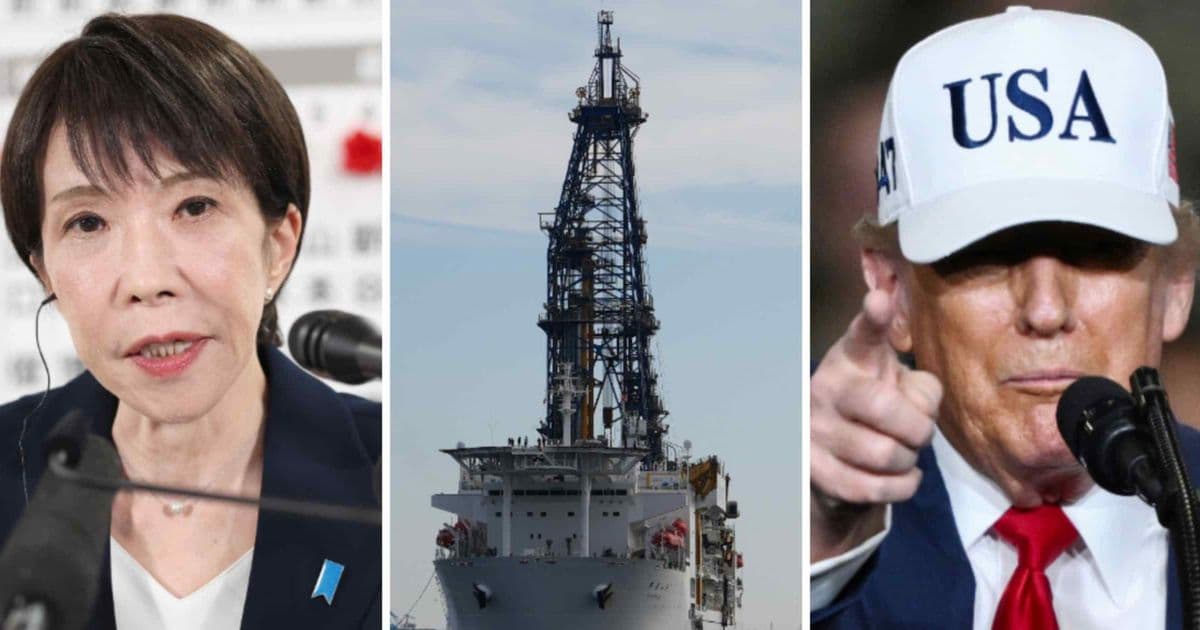
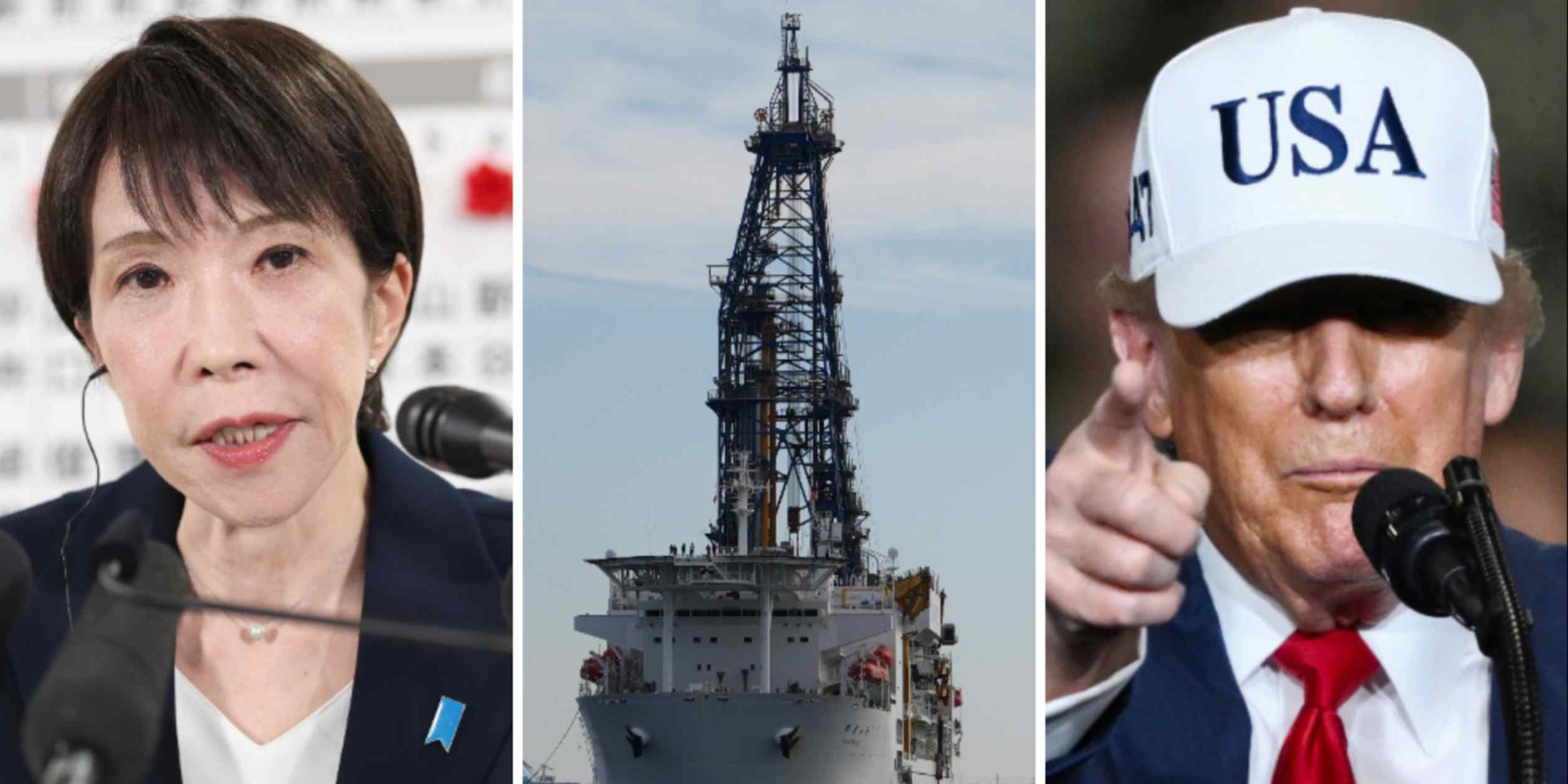
Japan's Prime Minister Takaichi announces cooperation with US on undersea rare-earth mining project off Minamitorishima island, aiming to reduce dependence on China's 70% global supply control.
Japan is accelerating its push for rare-earth mineral independence through a strategic partnership with the United States, as Prime Minister Sanae Takaichi announced plans to cooperate on undersea mining operations off Japan's coast. The initiative comes as both nations seek to reduce their heavy reliance on China, which currently controls approximately 70% of global rare-earth production and has increasingly used mineral exports as a diplomatic tool.
Breakthrough in Deep-Sea Mining Technology
The Japan Agency for Marine-Earth Science and Technology achieved a significant milestone when its research vessel Chikyu successfully test-drilled deep-sea mud containing rare-earth minerals at a depth of 5,569 meters off the coast of Minamitorishima island. This marks the world's first continuous pumping of rare-earth mud from such extreme depths, according to Shoichi Ishii, program director of the Cabinet Office-led Cross-ministerial Strategic Innovation Promotion Program.
The seabed mud in this region contains high concentrations of critical rare-earth elements including dysprosium and gadolinium. These minerals are essential for manufacturing high-performance magnets used in electric vehicles and control rods for nuclear reactors. The successful test drilling represents a crucial step toward establishing domestic rare-earth production capabilities for Japan.
Strategic Timing Amid US-Japan Summit Plans
Takaichi's announcement comes just weeks before her scheduled March 19 meeting with US President Donald Trump at the White House. The rare-earth cooperation is expected to feature prominently on the agenda, building upon the "Japan-United States Framework for Securing the Supply of Critical Minerals and Rare Earths Through Mining and Processing" signed during Trump's October visit to Japan.
Japan's motivation for this partnership is clear: as of 2024, the country was sourcing 63% of its rare-earth supplies from China. Recent tensions have seen China restrict exports of rare-earth-related products to Japan, highlighting the vulnerability of Japan's supply chain to Chinese political decisions.
Economic Security in the Face of Chinese Pressure
The timing of this initiative reflects growing concerns about China's use of critical minerals as leverage in international relations. Beijing has implemented export restrictions on various rare-earth products, creating supply chain vulnerabilities for countries dependent on Chinese sources. This strategy has affected not only Japan but also the United States, which is simultaneously seeking to reduce its own dependence on Chinese rare-earth imports.
At a ministerial-level meeting in Washington on February 4, the US, Japan, and European Union discussed strategies to reduce reliance on Chinese rare-earth imports. The meeting underscored the shared concern among allied nations about China's growing influence over critical mineral supply chains.
Technical and Commercial Challenges Ahead
While the test drilling success represents a significant technological achievement, commercializing rare-earth mining from the seabed off Minamitorishima presents substantial challenges. Key obstacles include developing mass production capabilities and establishing efficient transportation systems for the extracted materials.
Japan brings valuable processing technologies to the partnership, particularly in refining capabilities. However, the country has historically lacked domestic rare-earth mineral production. The US partnership aims to combine Japan's processing expertise with American resources and market access to create a more resilient supply chain.
Broader Geopolitical Context
The rare-earth cooperation between Japan and the US occurs against a backdrop of escalating tensions between the United States and China over trade policies, including Trump's tariffs and Beijing's rare-earth export restrictions. The deadline for negotiations between the two superpowers continues to be postponed, creating uncertainty in global supply chains.
Japan's strategic calculations are further complicated by regional security concerns. In November 2025, Takaichi told Japanese legislators that a hypothetical Taiwan contingency could constitute a "survival-threatening situation" for Japan, potentially requiring military assistance to the United States. This statement reflects the interconnected nature of economic and security concerns in the Indo-Pacific region.
Path Forward for Critical Mineral Independence
The successful test drilling and announced US partnership represent important steps toward reducing dependence on Chinese rare-earth supplies. However, the path to commercial production remains complex and will require sustained investment, technological innovation, and international cooperation.
The initiative aligns with broader efforts by like-minded nations to diversify critical mineral supply chains. As China continues to leverage its dominant position in rare-earth production for diplomatic purposes, the development of alternative sources becomes increasingly urgent for countries seeking to maintain economic and technological independence.
The coming months will be critical as Japan and the US work to translate the test drilling success into commercial reality. The March summit between Takaichi and Trump will likely provide further details on the partnership's scope and timeline, potentially marking a significant shift in the global rare-earth supply landscape.
Comments
Please log in or register to join the discussion