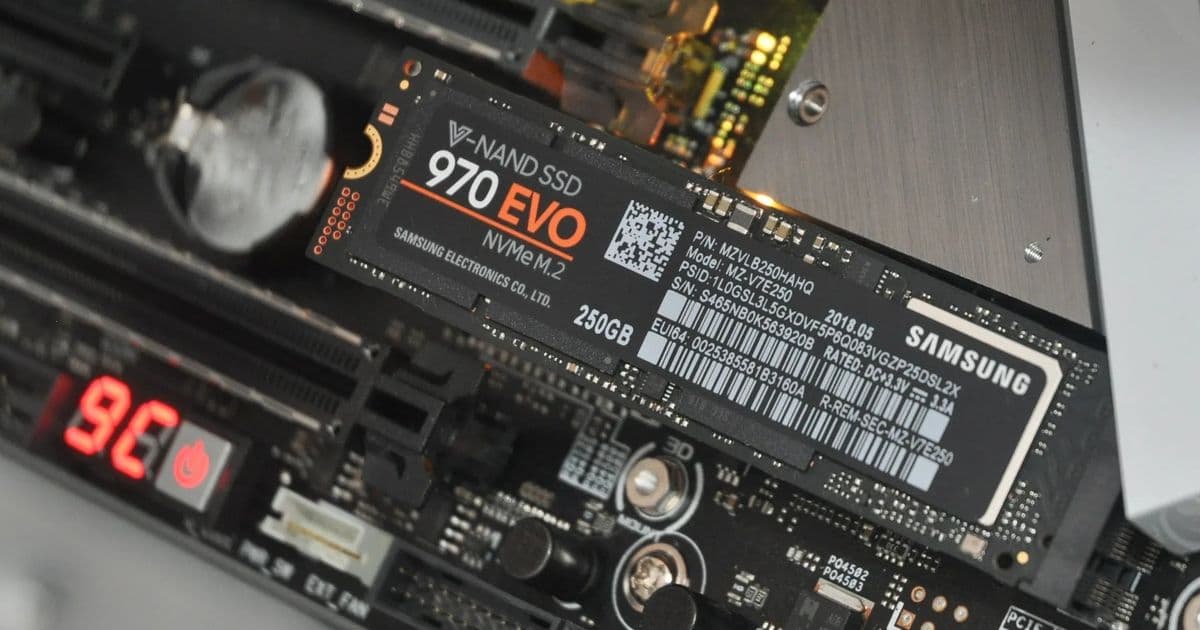
The upcoming Linux 7.0 kernel introduces a new power sequencing driver specifically for PCIe M.2 connectors, enabling proper power management for these interfaces on Device Tree platforms.
The Linux kernel development community has reached another milestone with the upcoming Linux 7.0 release, bringing several under-the-hood improvements that hardware enthusiasts and system builders will appreciate. Among the various subsystem updates, one particular addition stands out for those working with embedded systems and custom hardware configurations: a new power sequencing driver for PCIe M.2 connectors.
Understanding Power Sequencing for M.2 Connectors
Power sequencing refers to the controlled order and timing of power delivery to different components within a system. For M.2 connectors, which can host various devices including SSDs, Wi-Fi modules, and other expansion cards, proper power sequencing is crucial for reliable operation and preventing potential damage during power-up and power-down cycles.
Traditionally, on x86_64 systems from AMD and Intel, the firmware or BIOS handles power management for PCIe M.2 interfaces. This means the operating system doesn't need to worry about the low-level details of powering these connectors on and off. However, this changes dramatically for Device Tree platforms.
The Device Tree Challenge
Device Tree is a data structure used to describe hardware in systems where the kernel cannot discover devices dynamically. It's commonly used in embedded systems, ARM-based platforms, and custom hardware designs. The challenge with M.2 connectors on these platforms has been the lack of proper representation in the Device Tree.
Without proper Device Tree bindings, the kernel cannot understand how to manage the power states of M.2 connectors, leading to potential issues with device detection, hot-plugging functionality, and overall system stability. This gap in support has been a long-standing limitation for developers working with non-x86 platforms.
The New pwrseq-pcie-m2 Driver
The newly merged "pwrseq-pcie-m2" driver addresses this exact problem. It provides the kernel with the necessary infrastructure to power manage PCIe M.2 connectors on Device Tree platforms. The driver is specifically designed to work with Mechanical Key M connectors, which are the most common type used for M.2 SSDs via PCIe interface.
What makes this driver particularly interesting is its versatility. While initially tailored for SSDs, the driver exposes interfaces for multiple protocols including PCIe, SATA, and UART. This means it can potentially support a wide range of M.2 devices beyond just storage, making it a valuable addition for system designers working with diverse hardware configurations.
Configuration and Integration
The driver is implemented as a kernel module and is gated by the POWER_SEQUENCING_PCIE_M2 Kconfig option. This means system builders can choose whether to include this functionality based on their specific hardware requirements. For systems that don't use M.2 connectors or rely on firmware-level power management, this driver can be excluded to save kernel space and resources.
Why This Matters
For the average desktop user running a standard x86_64 system, this change might seem esoteric. However, for the embedded systems community, hardware hackers, and developers working on custom ARM-based platforms, this represents a significant improvement in the kernel's ability to handle modern hardware interfaces.
The addition of proper M.2 power sequencing support in Linux 7.0 demonstrates the kernel's continued evolution to support diverse hardware platforms beyond traditional desktop and server environments. It's part of a broader trend of making Linux more versatile and capable across different computing architectures.
Looking Ahead
With this foundation in place, we can expect to see more comprehensive Device Tree bindings for various M.2 connector types and device configurations in future kernel releases. The initial focus on Mechanical Key M connectors for SSDs is just the beginning, and the infrastructure laid down in Linux 7.0 should make it easier to add support for other connector types and device classes.
This change also highlights the importance of kernel development work that might not make headlines but significantly improves the platform's capabilities for specific use cases. While power sequencing might not be as exciting as new graphics features or filesystem improvements, it's essential infrastructure that enables reliable operation of modern hardware interfaces.
The Linux 7.0 kernel, with its new power sequencing driver for PCIe M.2 connectors, is shaping up to be a release that strengthens the kernel's foundation for supporting diverse hardware platforms, particularly in the embedded and custom hardware space.
Comments
Please log in or register to join the discussion