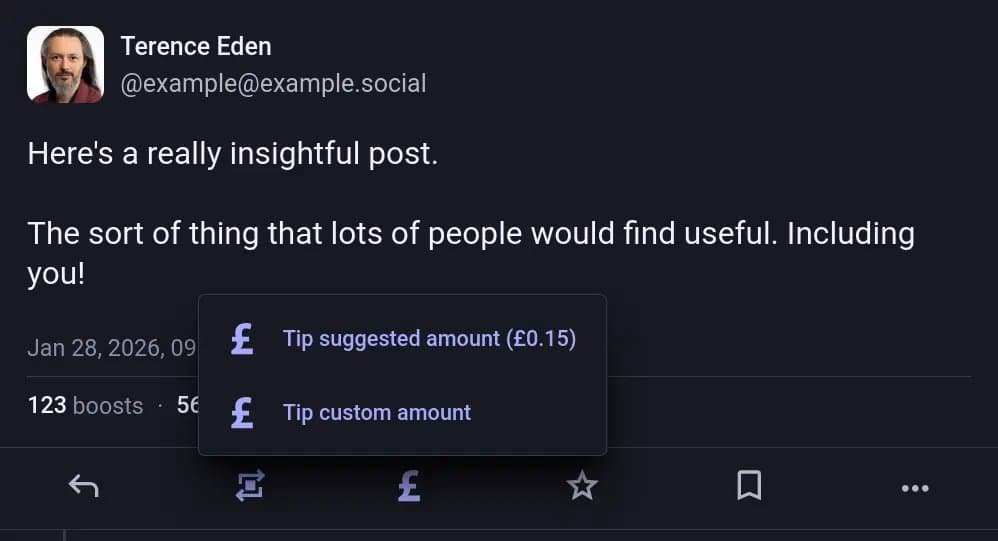
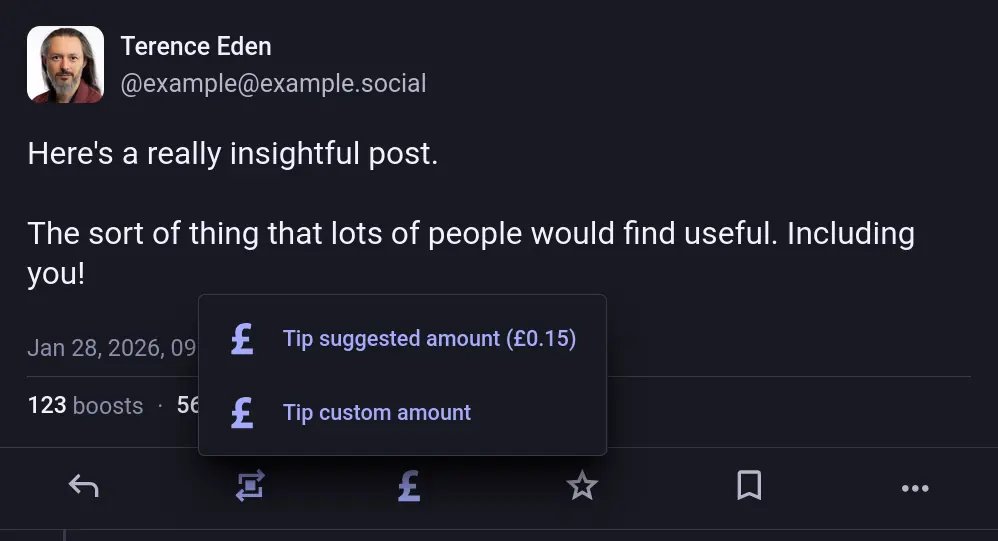
Social media tipping features sound user-friendly but create perverse incentives for content theft, algorithmic manipulation, and platform liability risks.
When social media platforms consider adding tipping features, they often imagine a frictionless way for users to support creators directly. The concept seems simple: a button that lets you send a few dollars to someone whose content you enjoyed, without leaving the platform. But beneath this user-friendly veneer lies a complex web of incentives that could fundamentally reshape how content is created and distributed online.
The Temptation of Direct Monetization
The appeal is obvious. Content creators struggle to monetize their work, and platforms want to keep users engaged. A built-in tipping system promises to solve both problems simultaneously. Users could reward quality content instantly, creators could earn money without complex setups, and platforms could take a small cut while increasing engagement.
But this seemingly win-win scenario ignores how human behavior responds to financial incentives. When money enters the equation, everything changes.
The Content Theft Problem
Consider what happens when every piece of content has a direct monetary value attached. A funny meme that might earn $0.50 in tips becomes a target. Content stealers who previously operated on the margins now have a clear financial incentive to copy and repost popular content across multiple accounts.
The economics become straightforward: if stealing a viral post earns even a few dollars per repost, and you can repost it hundreds of times across different platforms, the math quickly becomes compelling. Original creators lose not just attribution but actual income.
This isn't theoretical. We already see accounts like @CUTE_PUPP1E5 that aggregate and repost content without attribution. Add monetization, and these operations scale from annoying to economically devastating for original creators.
Algorithmic Manipulation Goes Nuclear
Social media algorithms already reward engagement, which has led to predictable patterns: outrage-bait headlines, controversial takes, and manufactured drama. Add direct payments to this mix, and the incentives become even more perverse.
Creators won't just optimize for algorithmic visibility—they'll optimize for tip-worthiness. This means:
- More extreme content to trigger emotional responses
- Manufactured controversies to drive engagement
- Strategic timing of posts to maximize tip potential
- Content designed specifically to trigger tipping behavior rather than provide value
We've already seen how A|B testing of monetization strategies leads to homogenization. Every YouTube thumbnail looks the same because that format maximizes clicks. Every Twitter thread follows the same structure because that format maximizes engagement. Tipping would accelerate this trend toward formulaic content designed to extract money rather than inform or entertain.
Platform Liability Nightmares
When platforms facilitate financial transactions, they become liable for fraud, scams, and disputes. If someone tips what they believe is a legitimate creator who turns out to be an impersonator, who's responsible? If a user gets scammed through the platform's payment system, does the platform face legal consequences?
The complexity multiplies when you consider cross-border transactions, currency conversion, tax implications, and fraud prevention. Platforms that currently avoid these headaches by staying out of financial services would suddenly inherit all the regulatory burdens of payment processors.
The Security Problem
Financial transactions attract hackers. A platform that processes micropayments becomes a more attractive target for various attacks:
- Account takeover to steal tipping balances
- Fake creator accounts designed to harvest tips
- Payment system exploits to redirect funds
- Phishing campaigns targeting users with visible balances
Existing Solutions Already Work
Despite these concerns, creators already have ways to accept payments. They add PayPal links, Ko-Fi buttons, Patreon pages, and Amazon wishlists to their profiles. GitHub Sponsors exists without widespread impersonation problems. These decentralized approaches have several advantages:
- They keep the platform out of financial liability
- They allow creators to choose their preferred payment methods
- They don't create platform-wide incentives for content manipulation
- They maintain the current balance between free content and paid support
The Real Question
The question isn't whether tipping features would be convenient—they would be. The question is whether the convenience is worth the systemic changes they would create. Would we rather have:
- A platform where content is created primarily to be valuable, with optional support mechanisms
- A platform where content is created primarily to extract money, with value as a secondary concern
The current system, imperfect as it is, at least allows for genuine content creation. Adding tipping features might seem like a small change, but it could fundamentally alter the incentive structure in ways that harm both creators and consumers.
A Better Path Forward
Instead of baked-in tipping features, platforms could focus on:
- Better discovery mechanisms for creators who already use external payment systems
- Tools to help creators set up payment links more easily
- Features that highlight when creators accept support
- Education about supporting creators through existing channels
These approaches preserve the benefits of creator support while avoiding the perverse incentives that built-in payment systems would create. They keep money as a tool for supporting good content rather than the primary driver of what content gets created.
The convenience of a tipping button is tempting, but convenience often comes at a hidden cost. In this case, that cost might be the very thing that makes social media valuable: authentic, diverse, and genuinely useful content created without financial manipulation driving every decision.
Comments
Please log in or register to join the discussion