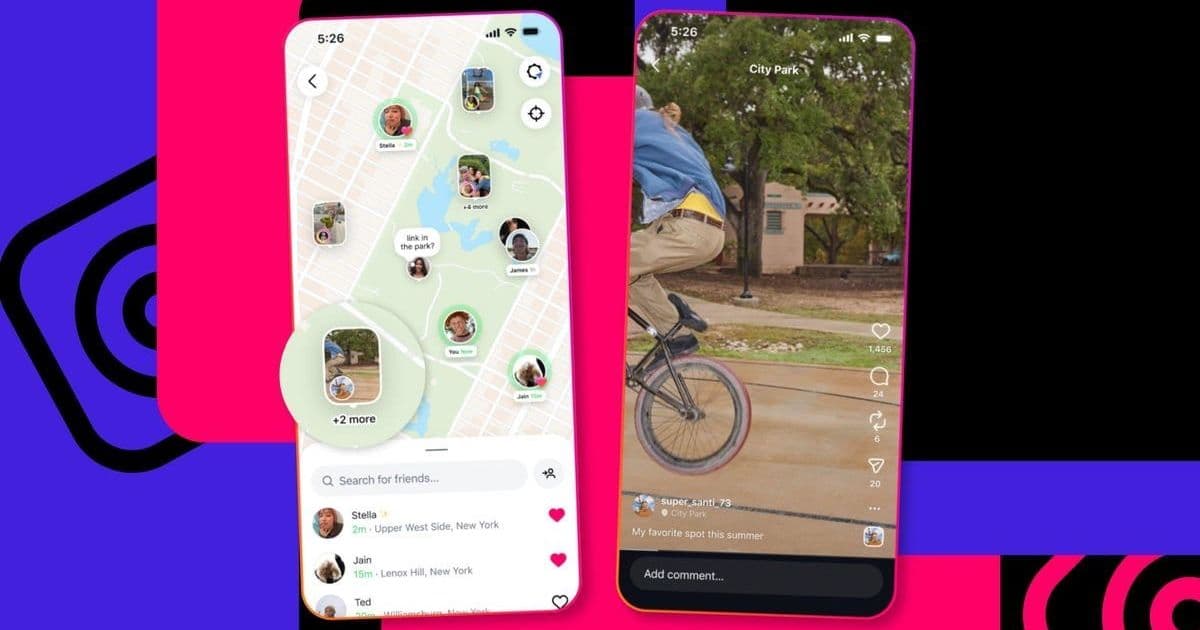
Instagram has launched a Snapchat-inspired location-sharing map, allowing users to broadcast their whereabouts to selected contacts while enabling geo-tagged content discovery. The update also includes a Friends tab in Reels for curated content and a Repost feature for public posts, intensifying Meta's push for social connectivity. These changes present new privacy challenges for users and opportunities for developers navigating social media's evolving data landscape.
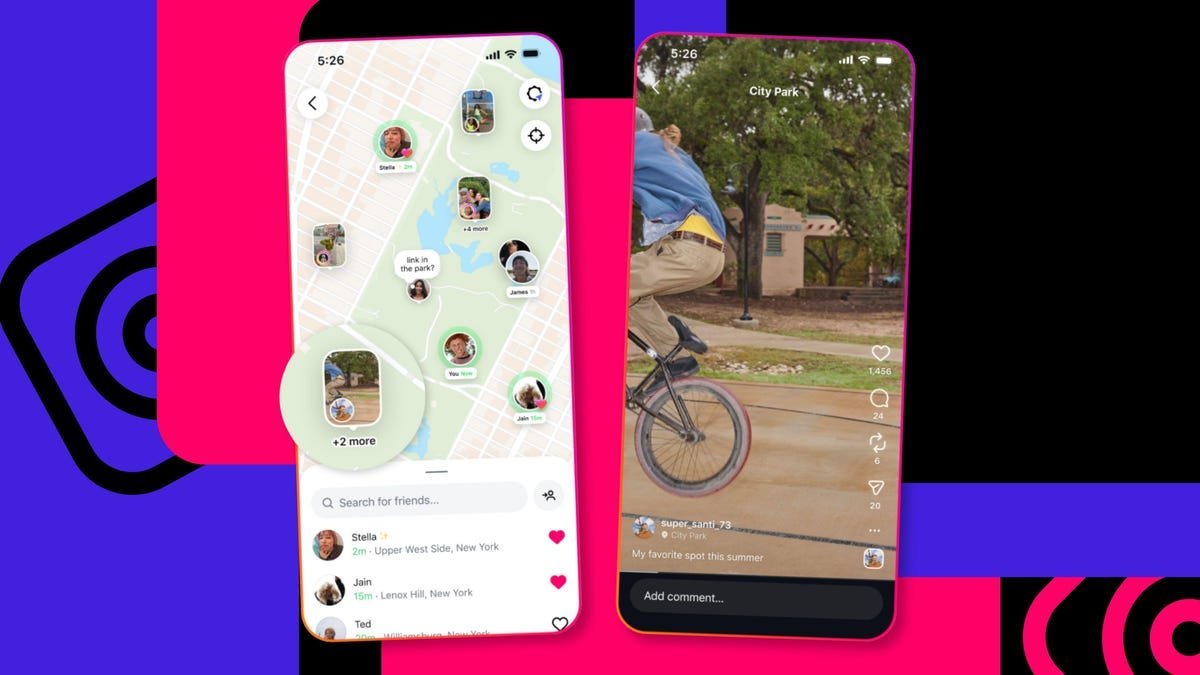
Instagram is accelerating its feature wars with a trio of updates designed to deepen user engagement—but at a potential cost to privacy. Borrowing a page from Snapchat’s playbook, Meta’s flagship platform now lets users share their real-time location via an interactive map, while also rolling out algorithmic tweaks to Reels and new sharing mechanics. For developers and tech leaders, this signals Meta’s aggressive bet on location-based services and social graph exploitation, raising critical questions about data ethics and platform evolution.
The Snapchat-Style Map: Connectivity vs. Control
At the core of the update is Instagram Map, accessible via the DM inbox. This feature shares a user’s last recorded app location with mutual followers, close friends, or custom lists, mimicking Snapchat’s Snap Map. Users can disable sharing entirely, but the default opt-in model risks normalizing persistent location tracking. Meta emphasizes exploratory benefits: "You can browse stories from friends at a new restaurant or discover local creators," noting that geo-tagged Reels, posts, and stories appear on the map for 24 hours.
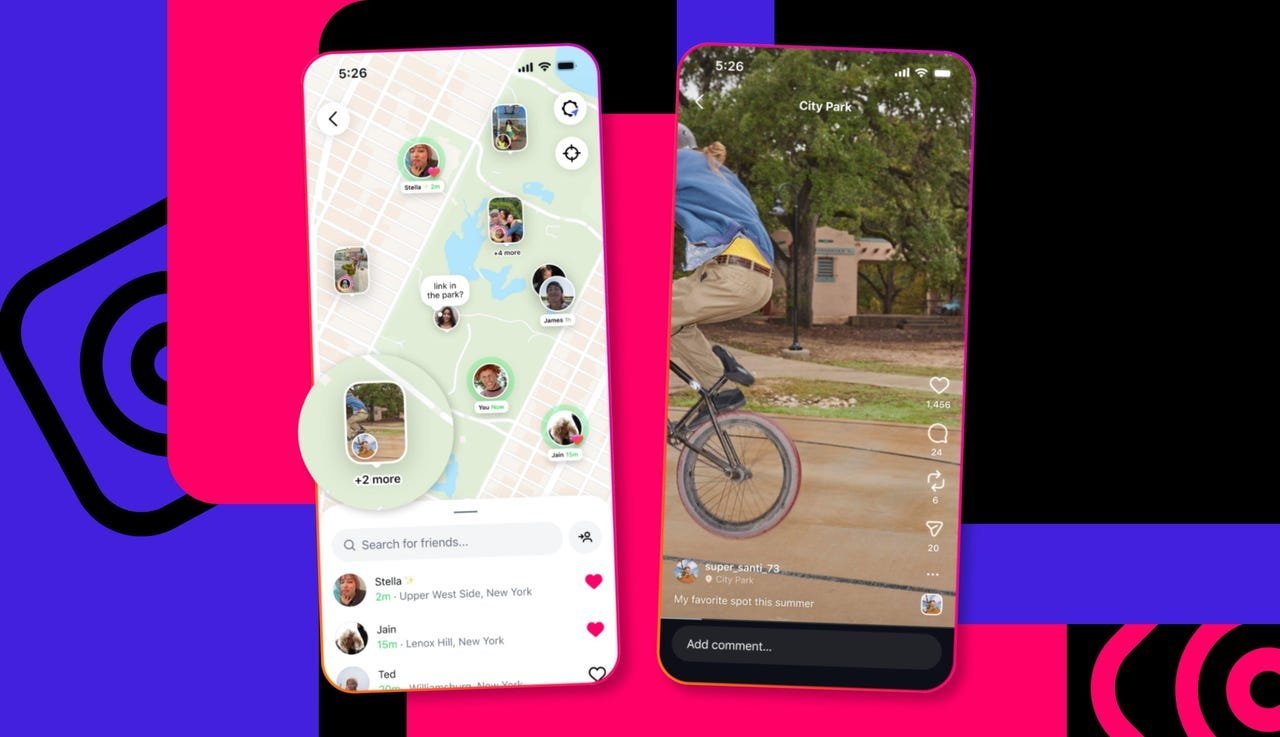
Parental controls add a layer of oversight—guardians receive notifications when teens activate location sharing and can restrict access. Yet, as Elyse Betters Picaro notes, this doesn't eliminate risks: "Whether you're sharing your location or not, the map aggregates public content around you." For developers, this represents a potential goldmine for location-aware APIs, but also amplifies attack surfaces for stalking or data breaches.
Algorithmic Intimacy: The Friends Tab and Repost Features
Beyond mapping, Instagram is refining content discovery. The Friends tab in Reels—now global—surfaces public videos liked or commented on by a user’s connections, alongside recommendations from "Blends" (custom friend groups). Users can mute specific people or hide their own activity, yet this passive sharing blurs lines between public and private engagement. Similarly, the new Repost function lets users reshare public Reels or feed posts to their followers, with optional commentary. While original creators retain credit, reposted content may reach new audiences beyond the creator’s follower base—potentially boosting virality but complicating content moderation.
Why This Matters for Tech Professionals
Meta’s moves reflect a broader industry pivot toward hyper-personalized, location-driven experiences, akin to innovations by Snapchat and BeReal. For developers:
- Privacy Engineering Challenges: Granular controls (e.g., teen safeguards) require robust permission systems, testing frameworks for edge cases like location spoofing, and compliance with regulations like GDPR.
- API Opportunities: Features like the Friends tab could inspire third-party tools for analyzing engagement patterns or building collaborative filters.
- Ethical Implications: As one security expert warns, "Normalizing real-time location sharing invites abuse—developers must prioritize opt-in transparency and data minimization."
Ultimately, Instagram’s update isn’t just about catching up to rivals; it’s a strategic play to dominate social discovery through ambient connectivity. Yet in an era of heightened data sensitivity, the burden falls on tech teams to balance innovation with user protection—because when every pin on a map tells a story, the wrong audience could be listening.
Comments
Please log in or register to join the discussion