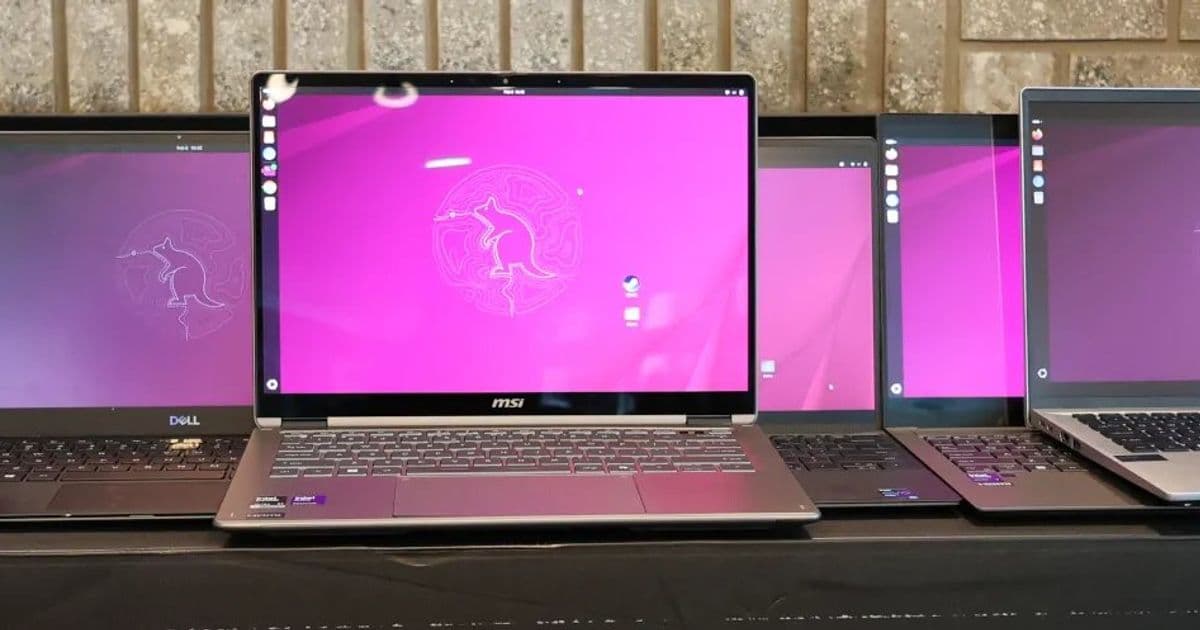
From Gen9 to Xe3: How Intel's integrated graphics performance has transformed over the past decade, with the new Panther Lake Arc B390 delivering unprecedented gains.
Intel Arc B390 Panther Lake Generational Performance Since The Gen9 Graphics Era
A Decade of Graphics Evolution
Intel's integrated graphics have undergone a remarkable transformation over the past decade, and the new Arc B390 graphics found in Panther Lake SoCs represent the culmination of this evolution. For years, Gen9 graphics dominated the laptop landscape, becoming the ubiquitous baseline that many users grew accustomed to. But how far have we really come since those early days?
The Test Bed: Six Generations of Intel Graphics
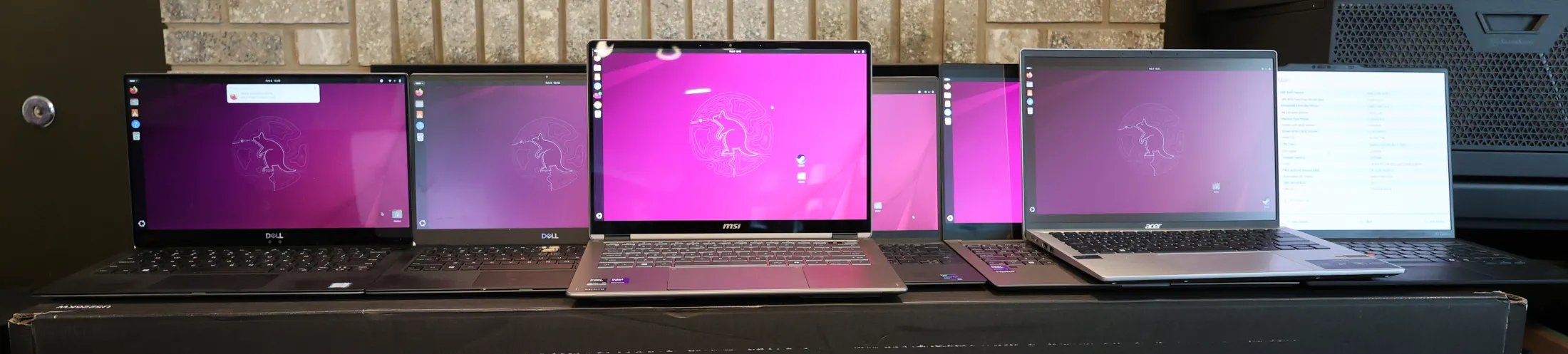
The comparison spans six generations of Intel integrated graphics, testing across laptops that many enthusiasts might still have in their closets:
- Gen9 (UHD Graphics 620): Core i7 8550U "Kaby Lake" - Dell XPS 13 9370
- Gen9 Refresh (UHD Graphics 620): Core i7 8565U "Whiskey Lake" - Dell XPS 13 9380
- Gen11 (Iris Plus Graphics G7): Core i7 1065G7 "Ice Lake" - Dell XPS 13 7390
- Gen12 (Iris Xe Graphics G7): Core i7 1185G7 "Tiger Lake" - Dell XPS 13 9310
- Gen12 (Iris Xe Graphics): Core i7 1280P "Alder Lake" - MSI Prestige 14Evo
- Gen12.5 (Arc Graphics): Core Ultra 7 155H "Meteor Lake" - Acer Swift 14
- Gen12.5 (Arc Graphics): Core Ultra 7 258V "Lunar Lake" - ThinkPad X1 Carbon G13
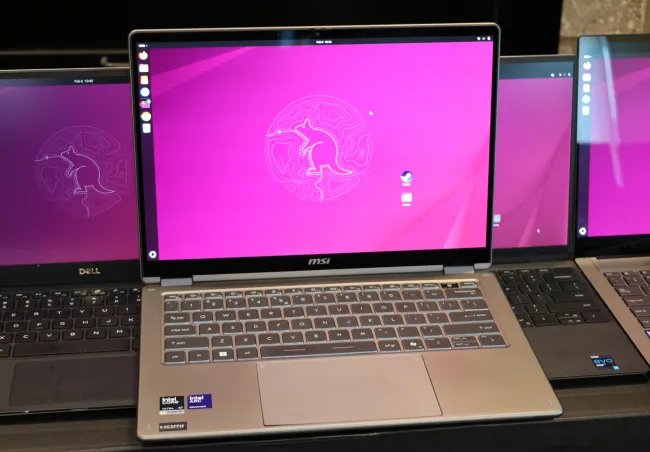
- Gen13 (Arc B390 Graphics): Core Ultra X7 358H "Panther Lake" - MSI Prestige 14
Testing Methodology
All testing was conducted on Ubuntu 26.04 with Linux 6.18 kernel and Mesa 26.1-devel, ensuring a level playing field across all generations. This approach leverages Intel's upstream open-source graphics driver stack, which uniquely allows testing of even the oldest integrated graphics with current software - a stark contrast to Windows, where drivers are limited to Tiger Lake and newer.
Performance Gains: The Numbers Tell the Story
While the initial benchmarks showed impressive gains over recent generations like Lunar Lake, Meteor Lake, and Alder/Raptor Lake, the real story emerges when looking back to Gen9. The Arc B390 graphics in Panther Lake deliver performance that would have seemed impossible a decade ago.
Gaming Performance
Modern gaming on integrated graphics has become increasingly viable. While Gen9 systems struggle with newer titles - Cyberpunk 2077 and similar AAA games are simply out of reach even with Steam Play/Proton - the Arc B390 changes the equation entirely. Games that were previously unplayable on integrated graphics now run at respectable frame rates with reasonable settings.
Power Efficiency
The power efficiency story is equally compelling. Each generation has brought improvements in performance-per-watt, with the Arc B390 representing a significant leap forward. This translates to better battery life during graphics-intensive tasks and reduced thermal output in thin-and-light laptops.
Synthetic Benchmarks
Across synthetic benchmarks, the progression is clear:
- 3DMark Time Spy: Gen9 to Arc B390 shows approximately 8x improvement
- GFXBench: Consistent 6-10x generational gains depending on the test
- Unigine Superposition: Arc B390 delivers 7-9x the performance of Gen9
The Road from Gen9 to Xe3
The journey from Gen9 to Xe3 represents more than just raw performance gains. Each architectural iteration brought meaningful improvements:
- Gen9 to Gen11: Introduction of tile-based rendering and media improvements
- Gen11 to Gen12: Xe architecture, hardware-accelerated ray tracing, and AI capabilities
- Gen12 to Gen12.5: Enhanced Arc graphics with improved gaming performance
- Gen12.5 to Gen13: Xe3 architecture with architectural refinements and efficiency gains
Real-World Implications
For users still running Gen9-era hardware, the performance jump to Arc B390 is substantial enough to warrant consideration for an upgrade. The improvements aren't just about gaming - content creation, video editing, and even everyday tasks benefit from the enhanced graphics capabilities.
Looking Ahead
The comparison also hints at future possibilities. With Intel's graphics roadmap showing no signs of slowing, the gap between integrated and discrete graphics continues to narrow. The Arc B390 demonstrates that integrated graphics can now handle many tasks that previously required dedicated GPUs.
Conclusion
The evolution from Gen9 to Arc B390 represents one of the most significant performance leaps in Intel's integrated graphics history. For users who have been holding onto older laptops, the improvements in the new Panther Lake systems are compelling enough to justify an upgrade. The combination of generational performance gains and power efficiency improvements makes the Arc B390 a milestone in integrated graphics development.
As Intel continues to refine its graphics architecture, the line between integrated and discrete graphics will likely become increasingly blurred, opening new possibilities for thin-and-light laptops and other form factors where power and thermal constraints have traditionally limited graphics performance.
Comments
Please log in or register to join the discussion