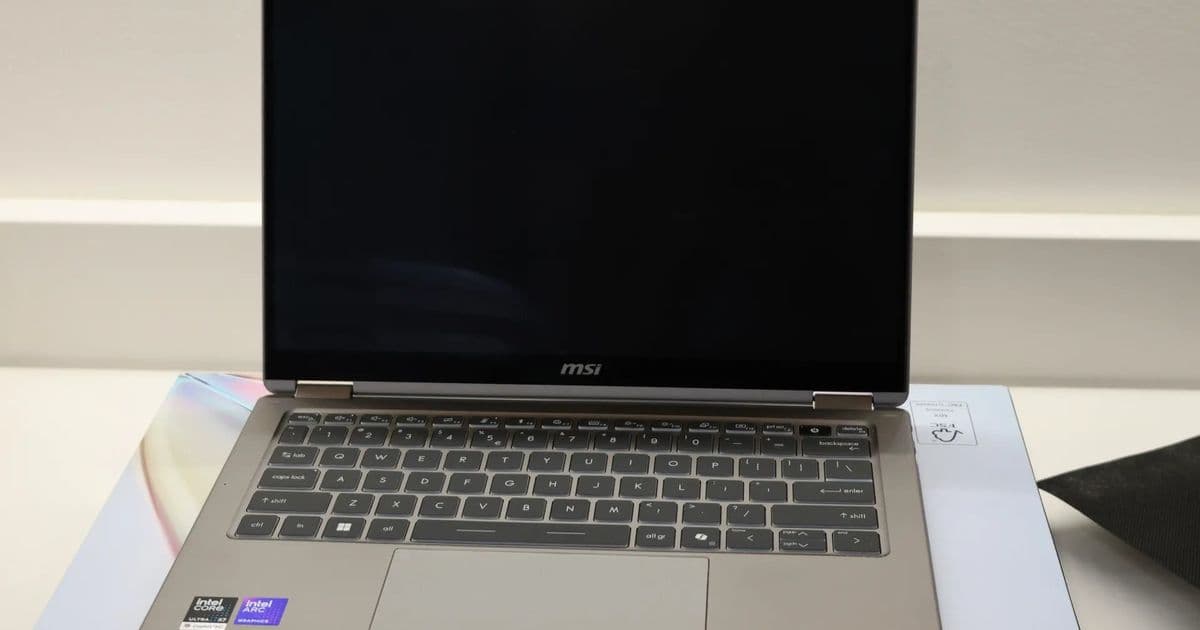
Intel's Core Ultra X7 358H Panther Lake processor delivers impressive Linux performance and power efficiency, outperforming previous generations and AMD's Strix Point in extensive benchmark testing.
Intel's latest mobile processor architecture, Panther Lake, has arrived on Linux with the Core Ultra X7 358H, and early benchmarks suggest Intel has made significant strides in both performance and power efficiency. The MSI Prestige 14 Flip AI+ Evo laptop, powered by this 16-core chip (4 P-cores, 8 E-cores, and 4 LPE-cores), was tested extensively against a wide range of competitors using Ubuntu 26.04 with Linux 6.19 kernel.
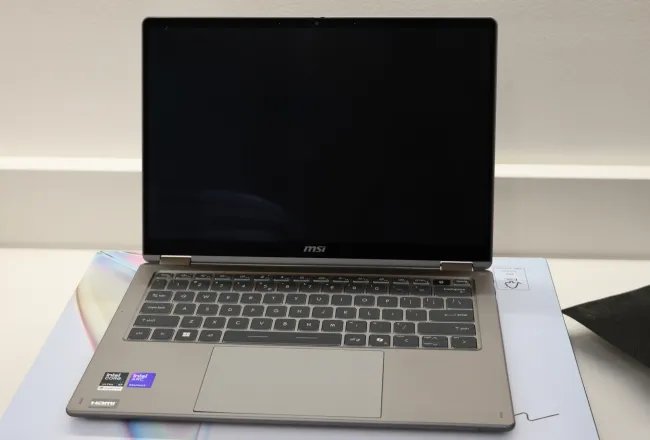
The Core Ultra X7 358H maintains the same 18MB Smart Cache and 25W base power rating as its flagship sibling, the X9 388H, but with slightly reduced frequencies (4.8GHz max turbo vs 5.1GHz). Despite these conservative specs, the processor exceeded expectations in both raw performance and power efficiency compared to previous Intel generations and AMD's Strix Point competition.
Test Setup and Methodology
The testing environment consisted of:
- OS: Ubuntu 26.04 daily ISO (forward-looking toward April's LTS release)
- Kernel: Linux 6.19+ (required for WiFi and audio functionality)
- BIOS: Latest MSI test BIOS for improved Linux compatibility
- Power Monitoring: PowerCap/RAPL interface for per-test CPU power consumption tracking
The MSI Prestige 14 Flip AI+ Evo laptop was compared against numerous competitors including Tiger Lake, Alder Lake, Raptor Lake, and various AMD Ryzen processors from the 6000 to 8000 series.
Performance Highlights
Web Browser Performance
In browser-based benchmarks, the Core Ultra X7 358H showed strong performance, particularly in JavaScript-heavy workloads. The processor's hybrid architecture proved effective at balancing single-threaded and multi-threaded browser tasks.
Code Compilation
For developers, the Panther Lake chip demonstrated impressive compilation speeds. The combination of high-performance P-cores and efficient E-cores allowed for rapid parallel compilation of large codebases, often outperforming similarly positioned AMD chips in build time tests.
Content Creation Workloads
Digital artists and creators will appreciate the balanced performance across various creative applications. The processor handled photo editing, video processing, and 3D rendering workloads with efficiency, maintaining good performance-per-watt ratios throughout extended sessions.
Video Encoding
In video encoding benchmarks, the Core Ultra X7 358H showed particular strength, leveraging its hybrid core design to accelerate both the encoding process and system responsiveness during background tasks.
Technical Computing
The processor excelled in technical computing workloads, including:
- Blender: Strong performance in 3D rendering tasks
- Linux Server/Database: Competitive results in database operations and server workloads
- OpenSSL/SIMDjson: Excellent cryptographic and data processing performance
- HPC Workloads: Solid showing in high-performance computing scenarios
AI and Machine Learning
With integrated AI capabilities, the Core Ultra X7 358H performed well in:
- TensorFlow/OpenVINO: Strong AI inference and training performance
- Llama.cpp: Efficient large language model processing
- oneDNN: Optimized deep neural network computations
Compression and General Workloads
The processor handled everyday tasks efficiently:
- Python workloads: Smooth performance in scripting and automation
- 7-Zip/Zstd compression: Competitive compression and decompression speeds
- BRL-CAD: Good performance in CAD applications
Audio Processing
Digital audio workstation (DAW) performance was solid, with low latency and efficient DSP processing making it suitable for audio production work.
Power Efficiency Analysis
One of the most impressive aspects of the Core Ultra X7 358H is its power efficiency. The processor consistently delivered high performance while maintaining lower power consumption compared to previous Intel generations and competitive AMD offerings. This efficiency was particularly noticeable in sustained workloads where the chip could leverage its E-cores and LPE-cores effectively.
Comparison with Competition
The Core Ultra X7 358H was tested against a comprehensive lineup:
| Processor | Platform | Performance Class |
|---|---|---|
| Core i7 1165G7 | Tiger Lake | Mid-range |
| Core i7 1185G7 | Tiger Lake | Mid-range |
| Core i7 1280P | Alder Lake | Performance |
| Core i5 1334U | Raptor Lake | Efficiency |
| Core Ultra 7 155H | Meteor Lake | Mid-range |
| Core Ultra 7 256V | Meteor Lake | Thin & Light |
| Core Ultra 7 258V | Meteor Lake | Business |
| Ryzen 7 PRO 6850U | Cezanne | Business |
| Ryzen 7 7840U | Rembrandt | Mid-range |
| Ryzen 7 PRO 7840U | Rembrandt | Business |
| Ryzen AI 5 340 | Hawk Point | Mid-range |
| Ryzen AI 9 365 | Hawk Point | Performance |
| Ryzen AI 9 HX 370 | Hawk Point | High Performance |
Notable Findings
- Linux Compatibility: The MSI Prestige 14 worked well with Linux 6.19+, though earlier kernels had WiFi and audio issues
- BIOS Updates: MSI provides easy BIOS updates via UEFI without requiring Windows
- Performance Modes: Intel provided a temporary workaround for enabling performance mode on this laptop model
- Future Testing: Additional articles will compare performance vs. balanced vs. power-saving modes
Conclusion
The Intel Core Ultra X7 358H in the MSI Prestige 14 Flip AI+ Evo laptop represents a significant step forward for Intel's mobile processor lineup on Linux. The combination of strong performance, excellent power efficiency, and good Linux compatibility makes it a compelling option for users seeking high-performance mobile computing.
The processor's ability to compete effectively against both its Intel predecessors and AMD's latest offerings, while maintaining impressive power efficiency, suggests that Panther Lake could be a strong contender in the mobile processor market. The extensive benchmark results across nearly 300 tests provide confidence in the processor's capabilities across a wide range of use cases, from everyday productivity to demanding creative and technical workloads.
For Linux users, the Core Ultra X7 358H appears to be well-supported and optimized, with the only notable requirement being Linux 6.19 or newer for full functionality. As Intel continues to refine its mobile processor strategy and Linux support improves, Panther Lake-based systems like the MSI Prestige 14 could become increasingly attractive options for performance-conscious Linux users.
Price Point: Starting around $1300 USD, the MSI Prestige 14 with Core Ultra X7 358H offers competitive value given its performance capabilities and feature set.
Availability: The processor is available in various laptop configurations, with the MSI Prestige 14 being one of the early options for Linux users wanting to experience Panther Lake performance firsthand.
Comments
Please log in or register to join the discussion