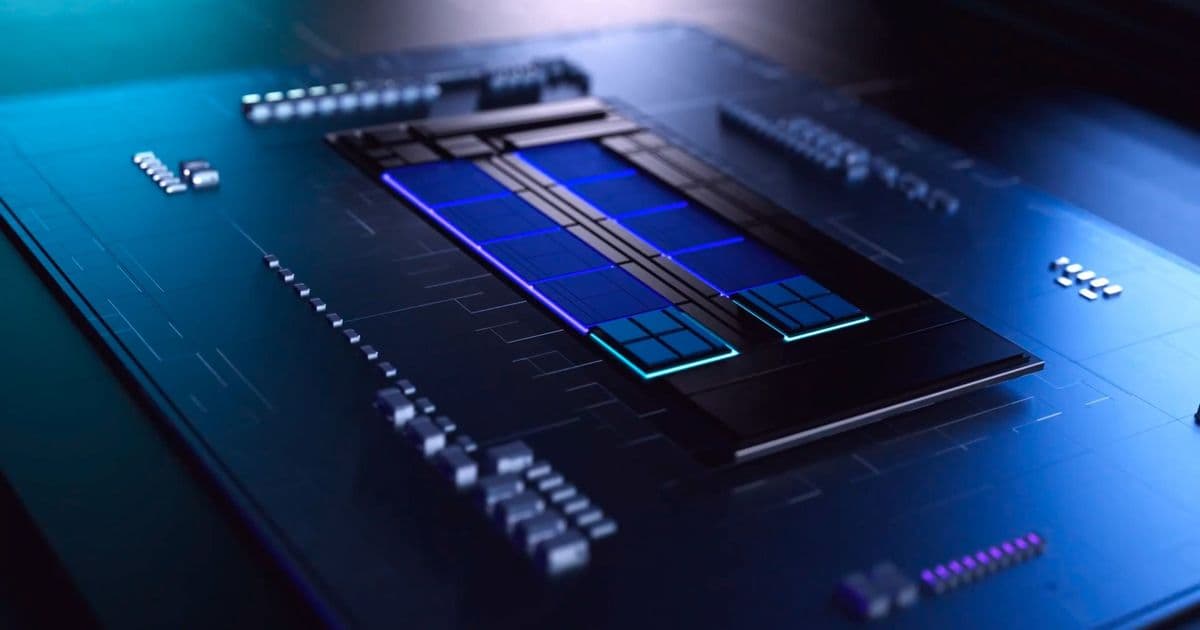
Intel's upcoming Nova Lake-S desktop CPU lineup is evolving, with a previously rumored 42-core SKU now confirmed to have 44 cores, potentially opening the door for more bLLC-equipped non-K variants to compete with AMD's X3D processors.
Intel's upcoming Nova Lake-S desktop CPU lineup is undergoing some interesting changes, according to new leaks from reliable sources. The most notable development involves a previously rumored 42-core SKU that has now been upgraded to 44 cores, a seemingly small change that could have significant implications for the broader product stack.
The Core Configuration Shift
The 42-core SKU was originally expected to feature 14 P-cores and 32 E-cores, along with 4 LP-E cores, paired with 288 MB of bLLC (big last level cache). This configuration would have been achieved by combining an 8P+12E tile with a binned-down 6P+12E tile. However, the new 44-core configuration allows for two identical 8P+12E tiles instead.
This shift is more than just a core count bump. By standardizing on two identical tiles, Intel frees up those 6P+12E binned tiles that would have been used in the original 42-core design. According to leaker Jaykihn, these freed-up tiles could make it to market as locked variants, potentially expanding the bLLC-equipped lineup beyond just the K-series chips.
Nova Lake-S Architecture Overview
Nova Lake-S represents Intel's next-generation desktop platform, featuring a dual-compute tile design for high-end SKUs. The lineup is expected to include:
- 52-core flagship: Two compute tiles with 26 cores each (16P+12E+4LP-E per tile)
- 44-core (previously 42-core): Two 8P+12E tiles
- 28-core: Single compute tile
- 24-core: Single compute tile
All variants will feature bLLC, Intel's answer to AMD's 3D V-Cache technology. The dual-tile SKUs will offer 288 MB of bLLC, while single-tile variants will have 144 MB.
Market Implications and Competition
The most intriguing aspect of this development is the potential for non-K variants with bLLC. Previous rumors had suggested that only K-series Nova Lake-S chips would feature the big cache, but this new information points to a broader rollout.
If Intel does release locked bLLC variants, it could significantly increase competition in the mid-range and mainstream segments against AMD's upcoming Zen 6 (X3D) processors. A Core Ultra 7 SKU featuring the 6P+12E+4LPE configuration with 144 MB bLLC could offer compelling performance at a lower price point than unlocked K-series chips.
Manufacturing Considerations
The bLLC technology is fabricated directly on the die rather than being stacked, which contributes to higher manufacturing costs. This cost structure suggests that bLLC-equipped SKUs will likely command a premium over standard variants. The flagship dual-tile SKUs with 288 MB of bLLC might even receive a new segment designation, possibly "Core Ultra X," to align with the nomenclature introduced on Panther Lake.
Timeline and Market Context
While Nova Lake is initially scheduled for release in the second half of this year, recent reports indicate the launch may be pushed to 2027 due to ongoing component shortages exacerbated by global geopolitical tensions. This delay could provide Intel additional time to refine its product stack and potentially expand the bLLC lineup.
The semiconductor industry is entering an exciting phase of competition, with both Intel and AMD preparing next-generation desktop families that promise significant performance improvements. The battle between Intel's bLLC technology and AMD's 3D V-Cache will be particularly interesting to watch, especially if Intel can offer bLLC across a wider range of SKUs.
As with all pre-release information, these details should be taken with appropriate skepticism. The semiconductor landscape can change rapidly based on manufacturing yields, market conditions, and strategic decisions. However, the core information about the 42-to-44 core upgrade appears reliable and suggests Intel is actively optimizing its Nova Lake-S product stack for maximum market impact.

Comments
Please log in or register to join the discussion