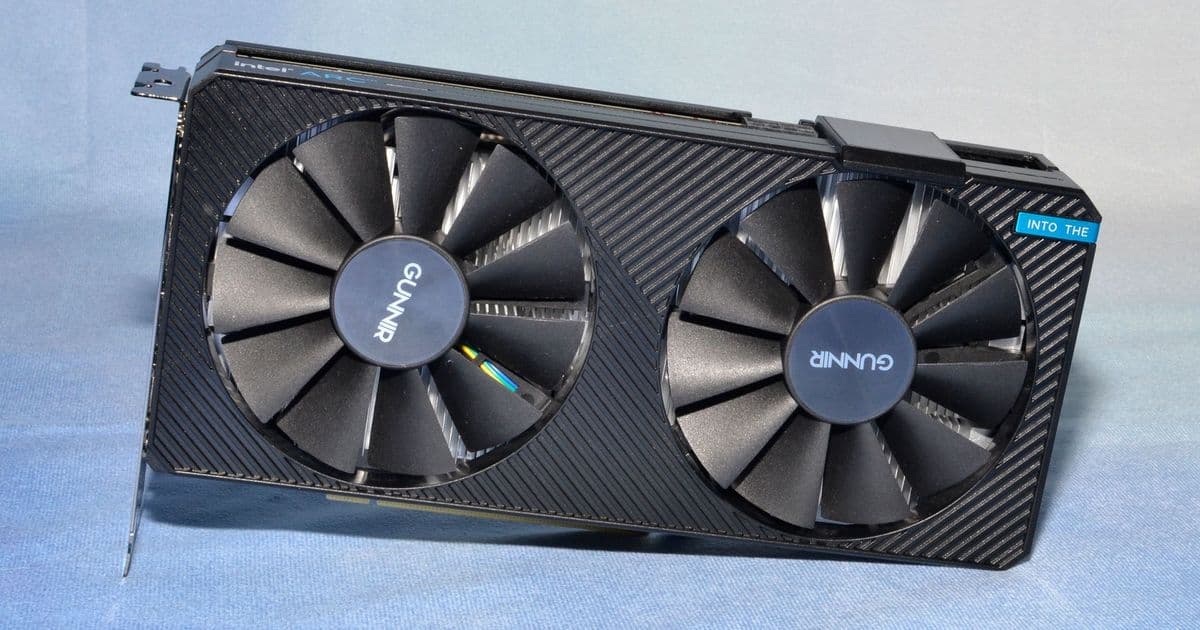
Intel's XeSS 3 Multi-Frame Generation technology, when modded onto the budget Arc A380 GPU, delivers a 3x performance boost in Cyberpunk 2077, achieving 140 FPS at 1080p low settings.
Intel's latest driver update has unlocked XeSS 3 Multi-Frame Generation (MFG) across its Arc discrete GPU lineup and Core Ultra integrated graphics, but one enterprising YouTuber discovered that even Intel's entry-level hardware can benefit from this frame-boosting technology through some creative driver modifications.
The Budget GPU That Refused To Be Limited
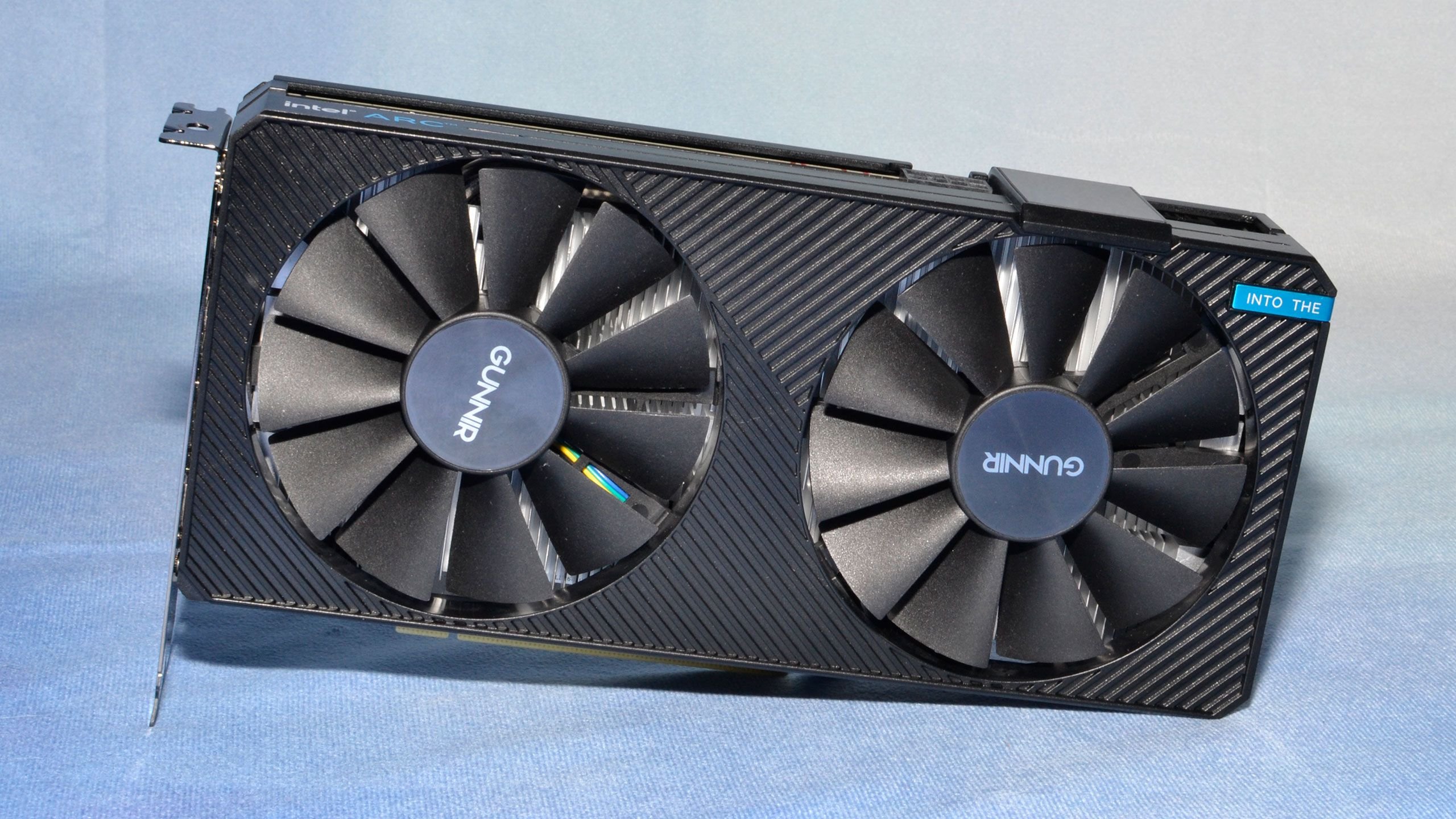
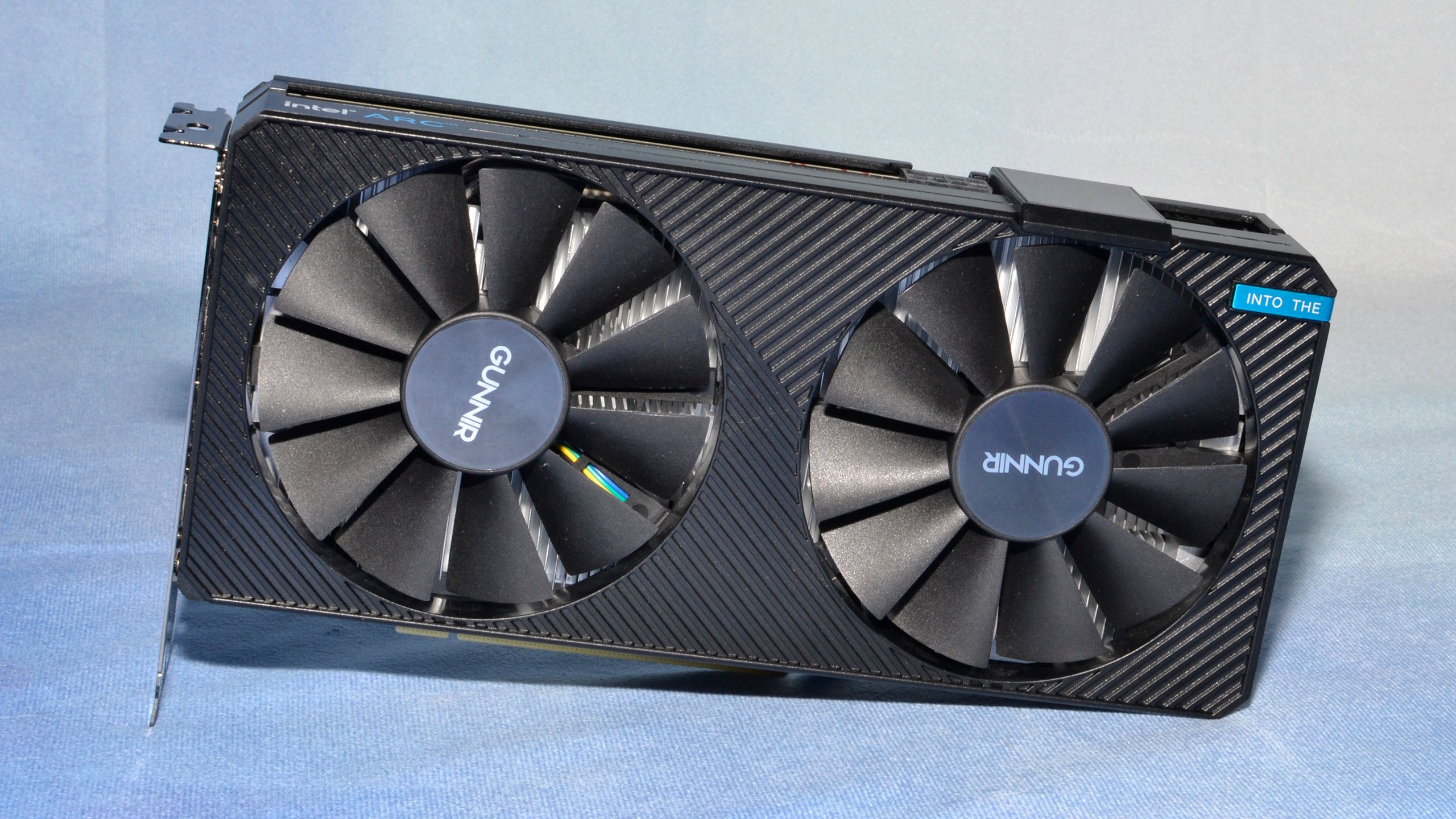
The Intel Arc A380 has long been considered the company's most basic discrete graphics card, offering modest gaming performance that ranges from acceptable in older titles to abysmal in modern AAA games. With just 6GB of VRAM and entry-level specifications, it's typically relegated to basic 1080p gaming at low settings.
However, YouTuber Alva Jonathan decided to push this budget GPU to its limits by enabling Intel's latest XeSS 3 MFG technology, which Intel hadn't officially supported on the A380. The testing setup included:
- GPU: ASRock Arc A380 LP 6GB
- CPU: AMD Ryzen 5 7500F
- Motherboard: ASRock B650M-HDV/M.2
- Memory: 32GB (2x16GB) Adata XPG DDR5-6000 CL30
- Storage: 1TB Adata XPG Mars 980 Pro NVMe SSD
- PSU: FSP Vita GM 750W
The Mod That Changed Everything
The key to unlocking XeSS 3 MFG on the Arc A380 required some technical wizardry. Since Intel hadn't provided official drivers for multi-frame generation on the A-series or Arc B-series GPUs, Jonathan had to modify the driver files manually.
The process involved:
- Copying two critical files (
igxell.dllandigxess_fg.dll) from the Graphics_101.8362 folder - Pasting them into the Graphics_101.8452 folder
- Installing the modified driver from the latter location
- This revealed the XeSS Frame Generation Override dropdown menu in the Intel driver control panel
The modification essentially tricked the driver into thinking the Arc A380 supported multi-frame generation, opening up performance possibilities that Intel hadn't officially sanctioned.
Performance Results That Defy Expectations
Testing in Cyberpunk 2077 at 1080p with low graphics settings and Intel XeSS Super Resolution 2.0 enabled at Ultra Quality produced remarkable results:
Without Frame Generation:
- Base frame rate: 55-60 FPS
With 4x Multi-Frame Generation:
- Achieved: 135-140 FPS average
- Base frame rate dropped to: 33-35 FPS
- Notable "mouse lag" issues
- Creator noted that 4x MFG is quite taxing on hardware
With 3x Multi-Frame Generation (Optimized):
- Achieved: ~120 FPS in-game
- Base frame rate: ~40 FPS
- Improved input latency compared to 4x mode
- Still below the ideal 45 FPS threshold for optimal MFG performance
Jonathan explained that for multi-frame generation x4, the recommended base frame rate is between 180 and 240 FPS, as anything below 45 FPS often doesn't deliver a good experience. The 3x setting provided a better balance between performance gains and maintaining playable input response.
The "Fake Frames" Reality
It's important to note that these performance gains come with a caveat. The creator explicitly mentioned that the extra frames are "fake" - generated by the AI-powered frame generation technology rather than rendered traditionally. This means:
- The GPU isn't actually rendering three times as many frames
- Input latency can be affected
- The visual quality depends on how well the AI interpolates between frames
However, for budget gamers who need playable frame rates, this technology provides a significant quality-of-life improvement, even if the frames aren't "true" rendered frames.
Implications for Budget Gaming
This discovery has substantial implications for budget-conscious gamers and those limited to integrated graphics:
For Budget GPU Users:
- The Arc A380 can now deliver 120+ FPS in demanding games at 1080p low settings
- Extends the usable lifespan of entry-level hardware
- Makes older budget cards viable for modern gaming
For Integrated Graphics Users:
- Similar modifications could potentially work on Intel's integrated graphics
- Gaming handhelds like the MSI Claw family could benefit significantly
- Opens up new possibilities for thin-and-light gaming devices
The Catch:
- Games must support Intel XeSS 2 MFG to take advantage of this technology
- Not all titles will see the same dramatic improvements
- The mod requires technical knowledge to implement safely
Technical Limitations and Future Potential
One significant limitation is the lack of proper latency measurement tools. Unlike Nvidia's DLSS MFG, which can measure latency using the NV Reflex API, Intel currently lacks a comparable way to test input latency scientifically. The creator had to judge latency improvements by feel alone.
Looking ahead, this breakthrough could become even more relevant with Intel's upcoming Panther Lake CPUs, which feature next-generation graphics architectures. As more developers implement Intel XeSS 2 MFG support in their games, budget gamers could see widespread performance improvements across their libraries.
The Bigger Picture
This experiment demonstrates how enthusiast modifications can unlock capabilities that manufacturers haven't officially enabled. While Intel may not have intended for the Arc A380 to support multi-frame generation, the hardware appears capable enough to handle it with the right software tweaks.
For the budget gaming community, this represents a potential lifeline - a way to extract significantly more performance from already-purchased hardware without spending additional money on upgrades. As frame generation technology becomes more prevalent, we may see more of these "unofficial" optimizations emerge, blurring the lines between what hardware is officially supported and what it can actually do.
Comments
Please log in or register to join the discussion